Architecture Through The Ages In Budapest

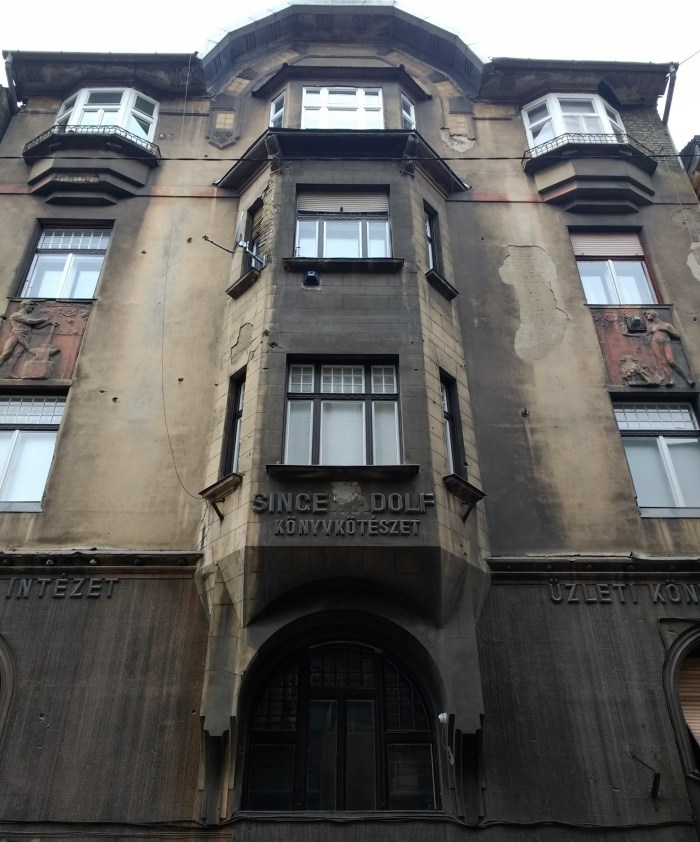
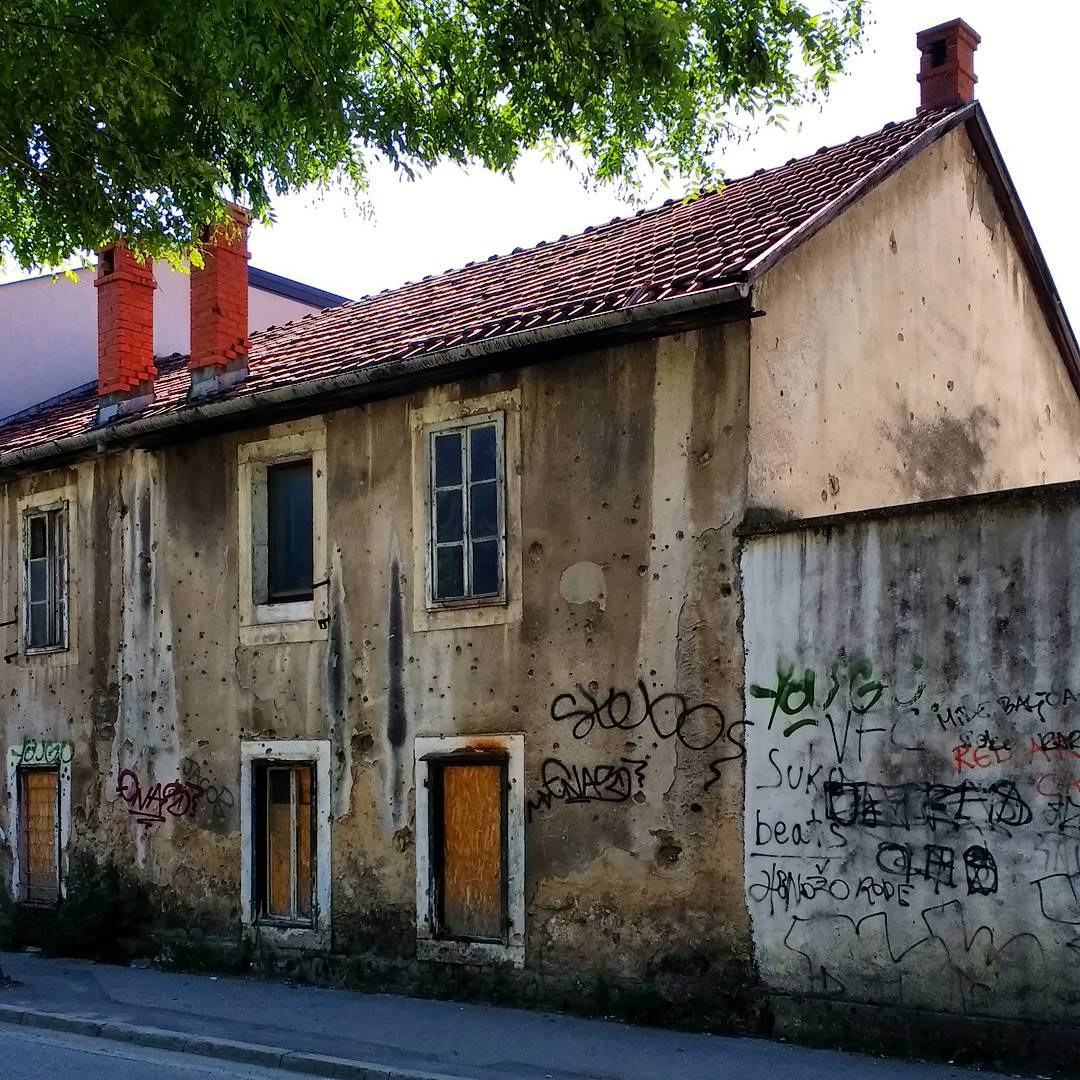
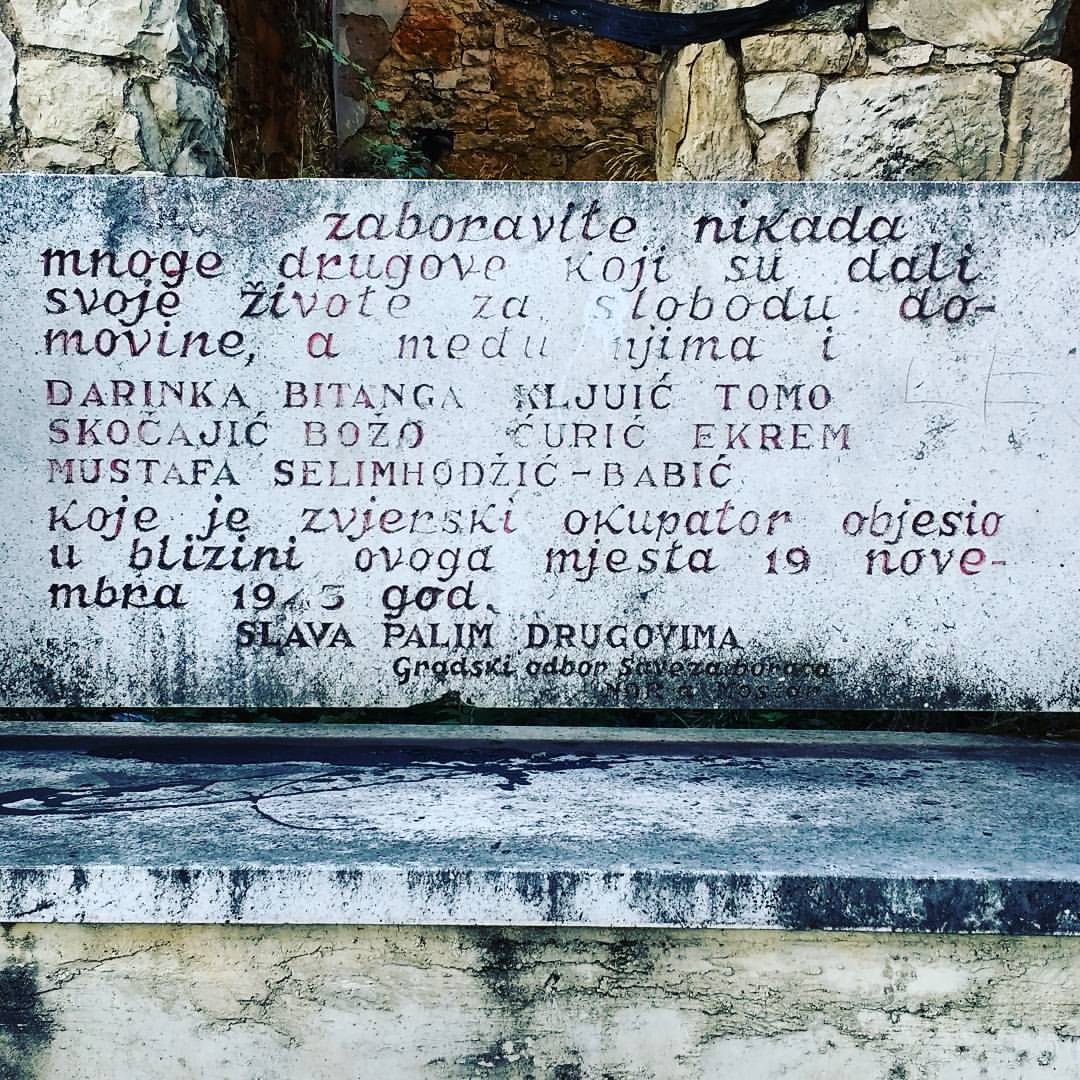
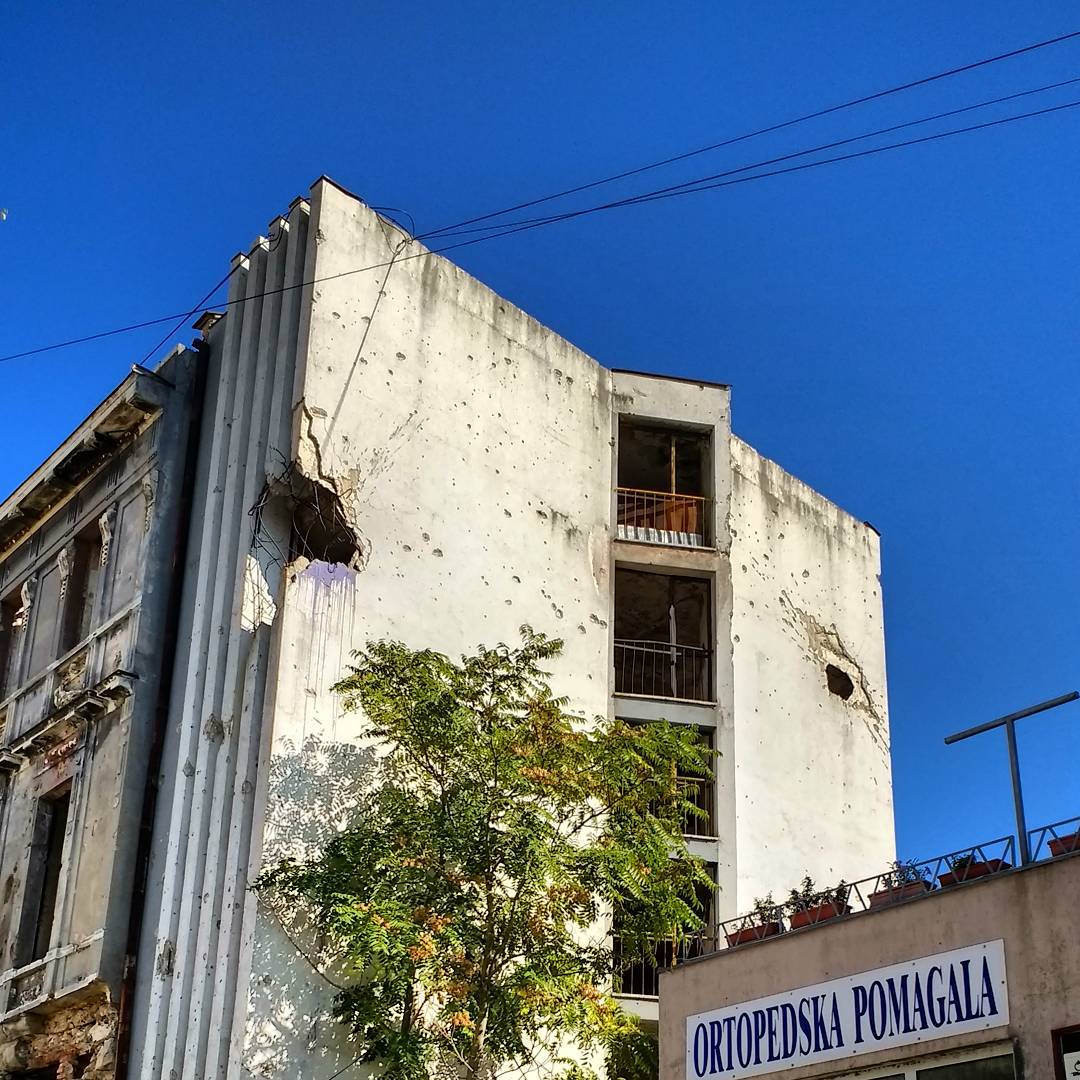
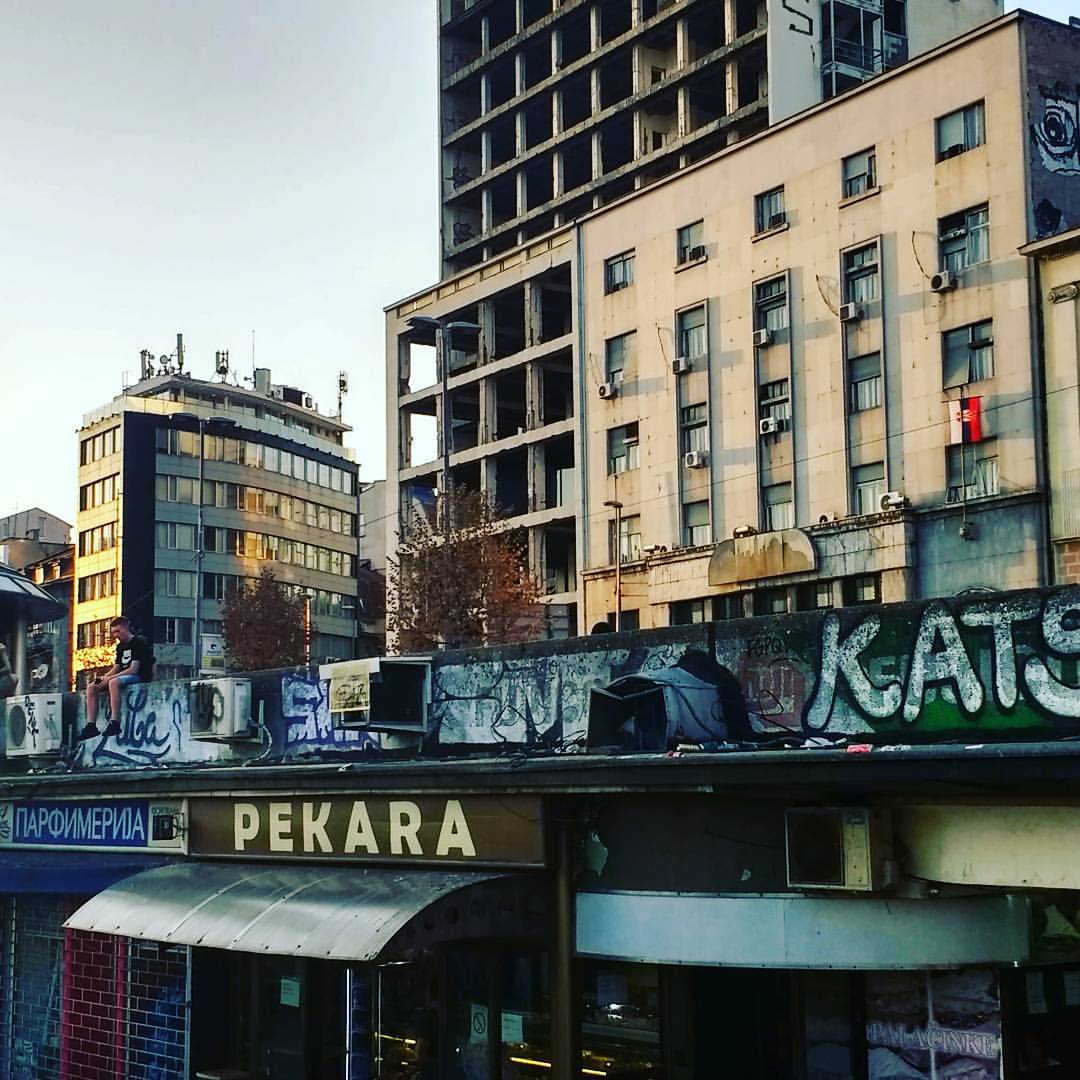
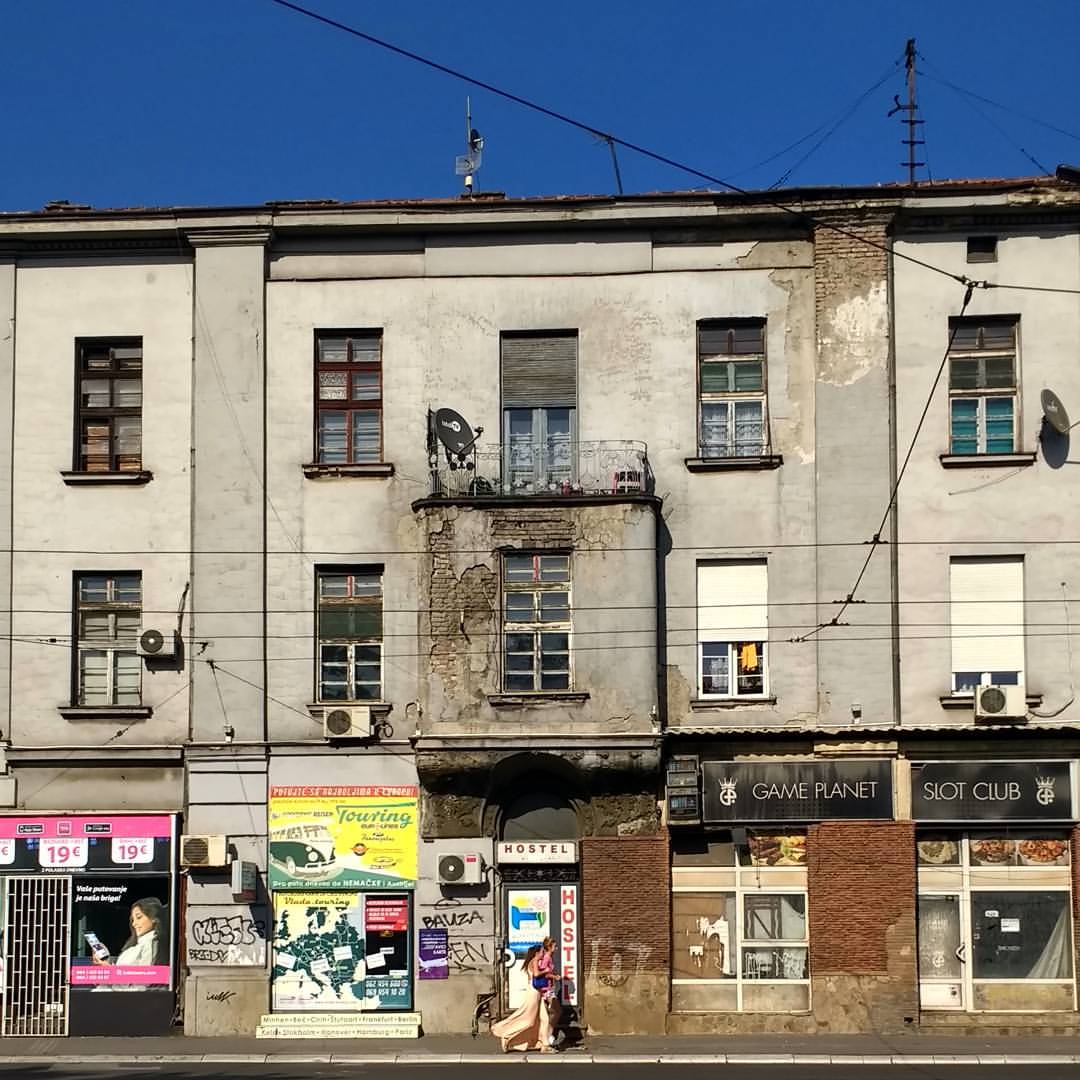
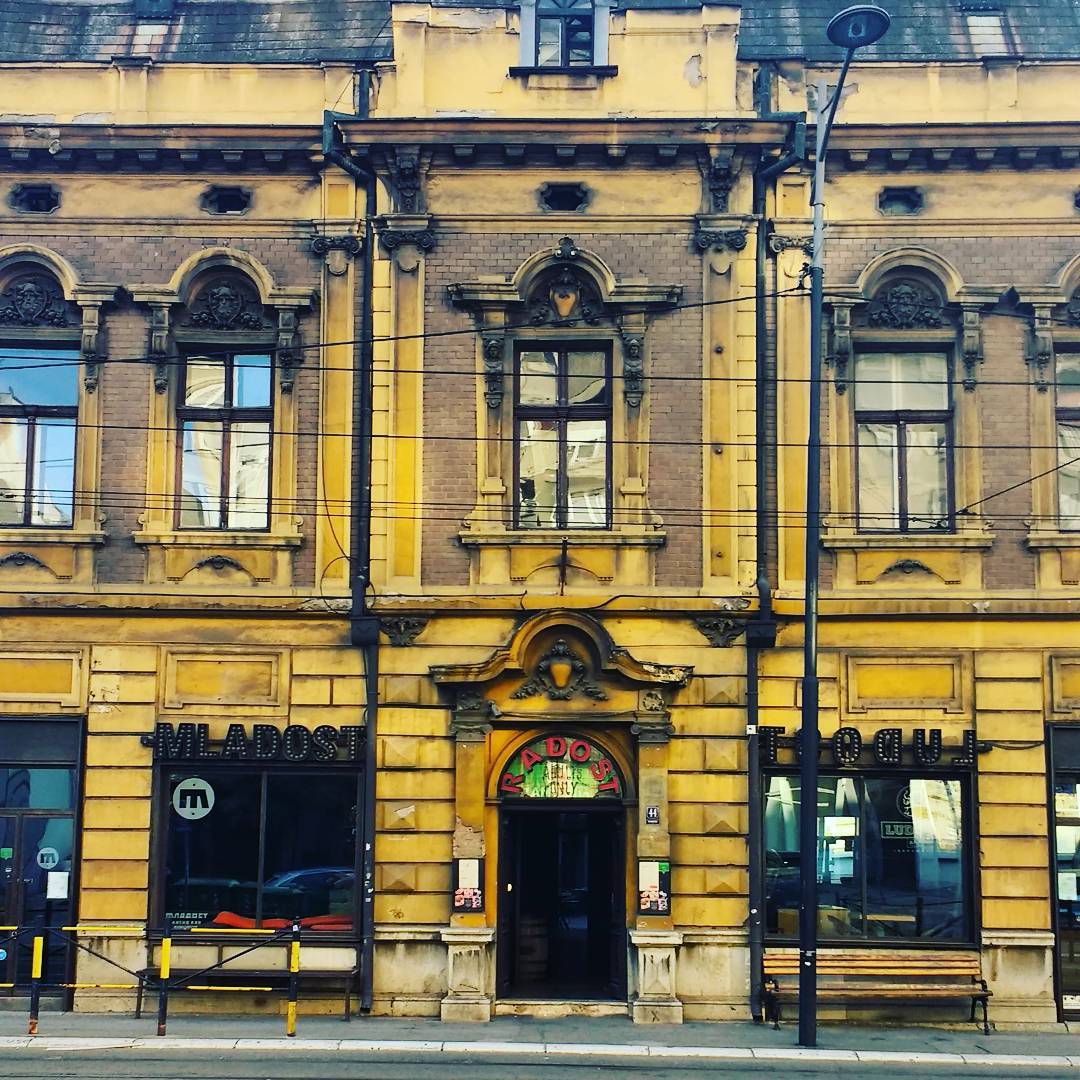
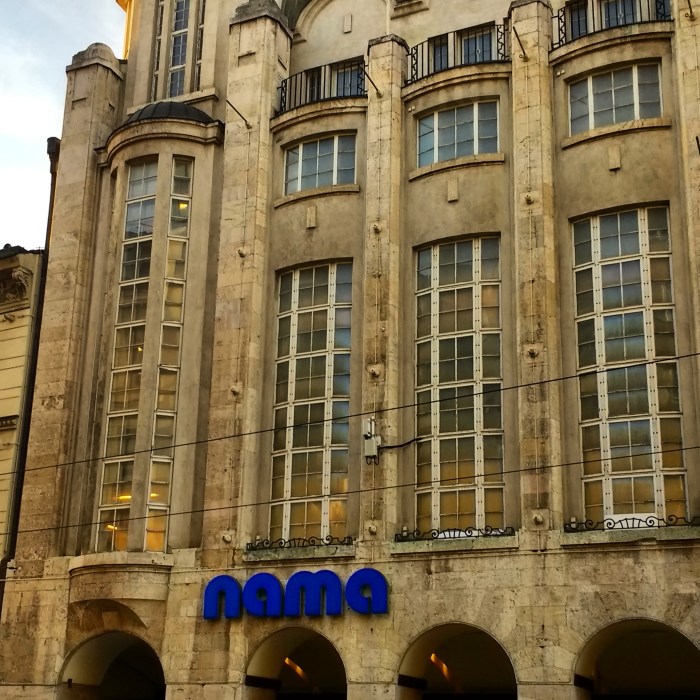
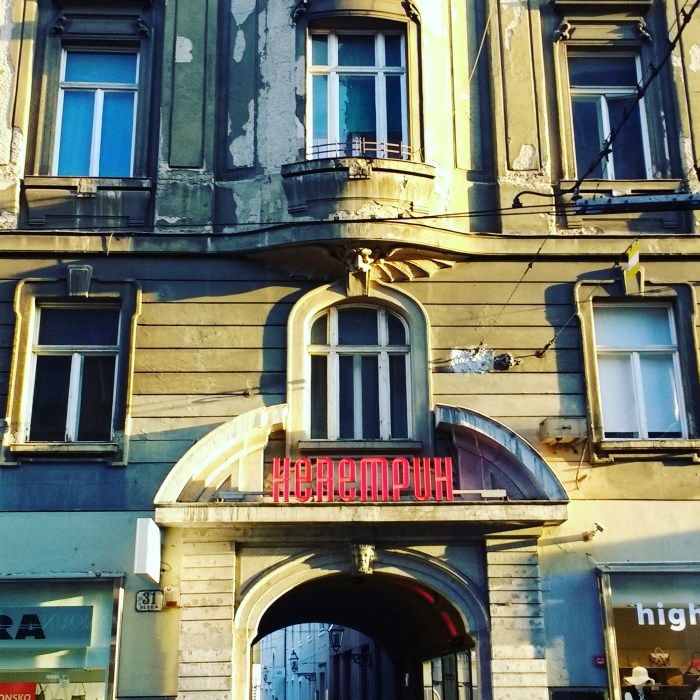
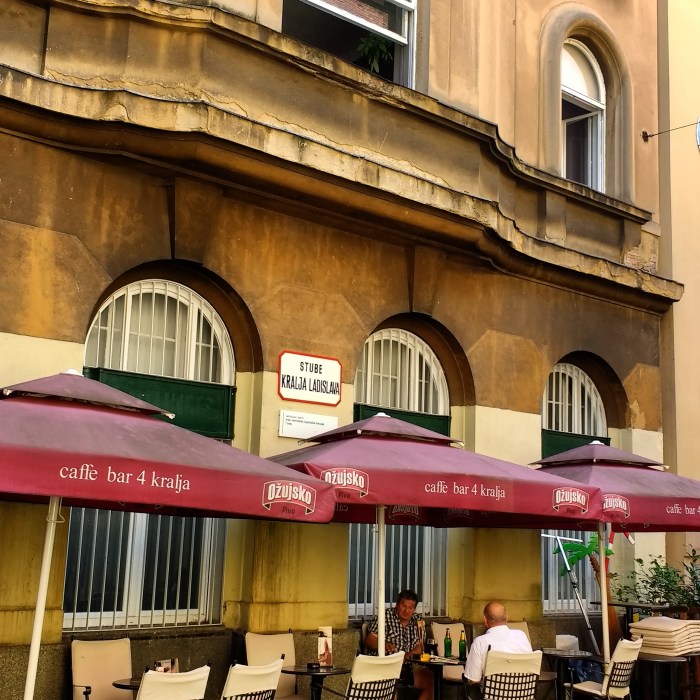
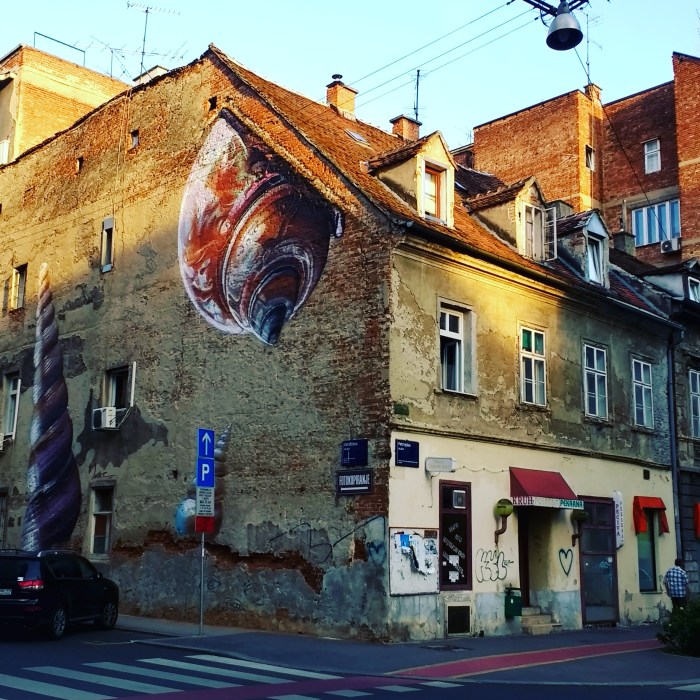
The capital city of Hungary is a delightful city to wonder around. As with my wonderings around the capital cities of various Balkan capitals such as Zagreb, Sarajevo and Belgrade last year, in Budapest there are a wealth of buildings of different architectural styles. Most prominent though are the buildings dating back to the times of the Austrian-Hungarian Empire. Those are grand old buildings with fabulously opulent adornments. It’s even more satisfying to discover some of those buildings in splendid dilapidation. That’s the difference between Budapest and its nearby cousin Vienna. Vienna has an abundance of lovely buildings, but almost all are periodically maintained and saved from slipping into ruin. In Budapest its not an uncommon site to see many buildings from that time period fallen on hard times; like a beautiful woman (or man) succumbing to ferocious ageing and too broke to afford a face lift. What money there used to be squandered long ago.

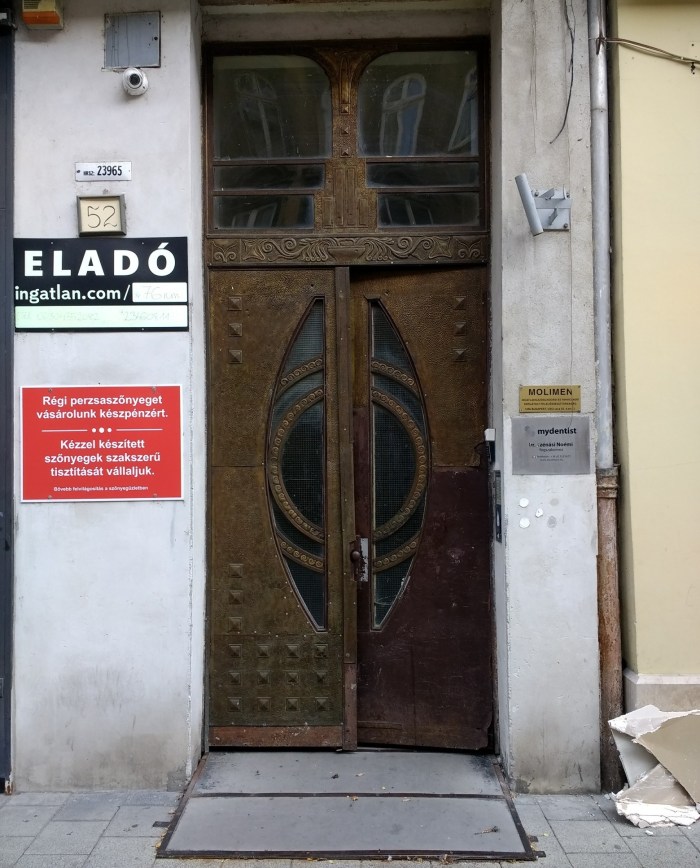
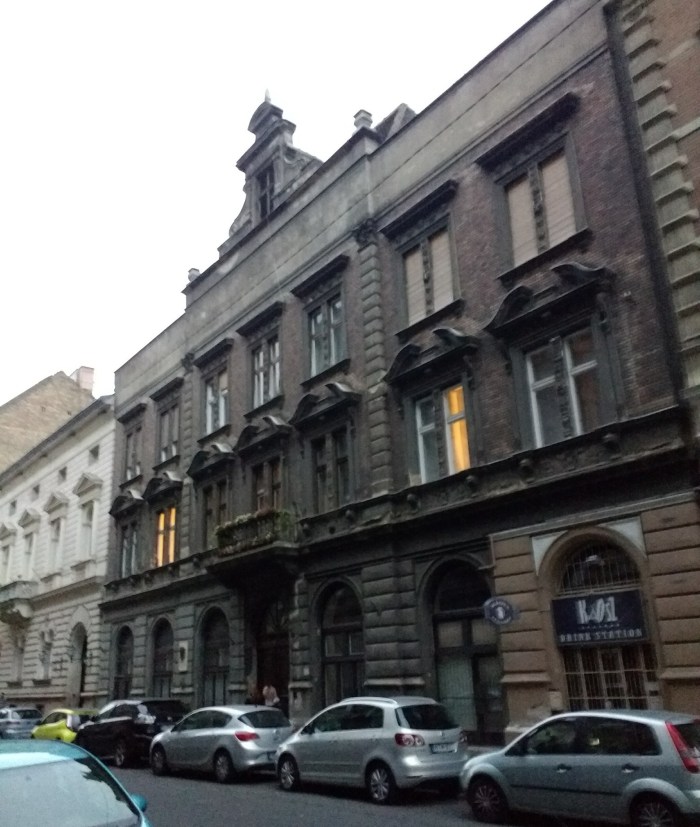
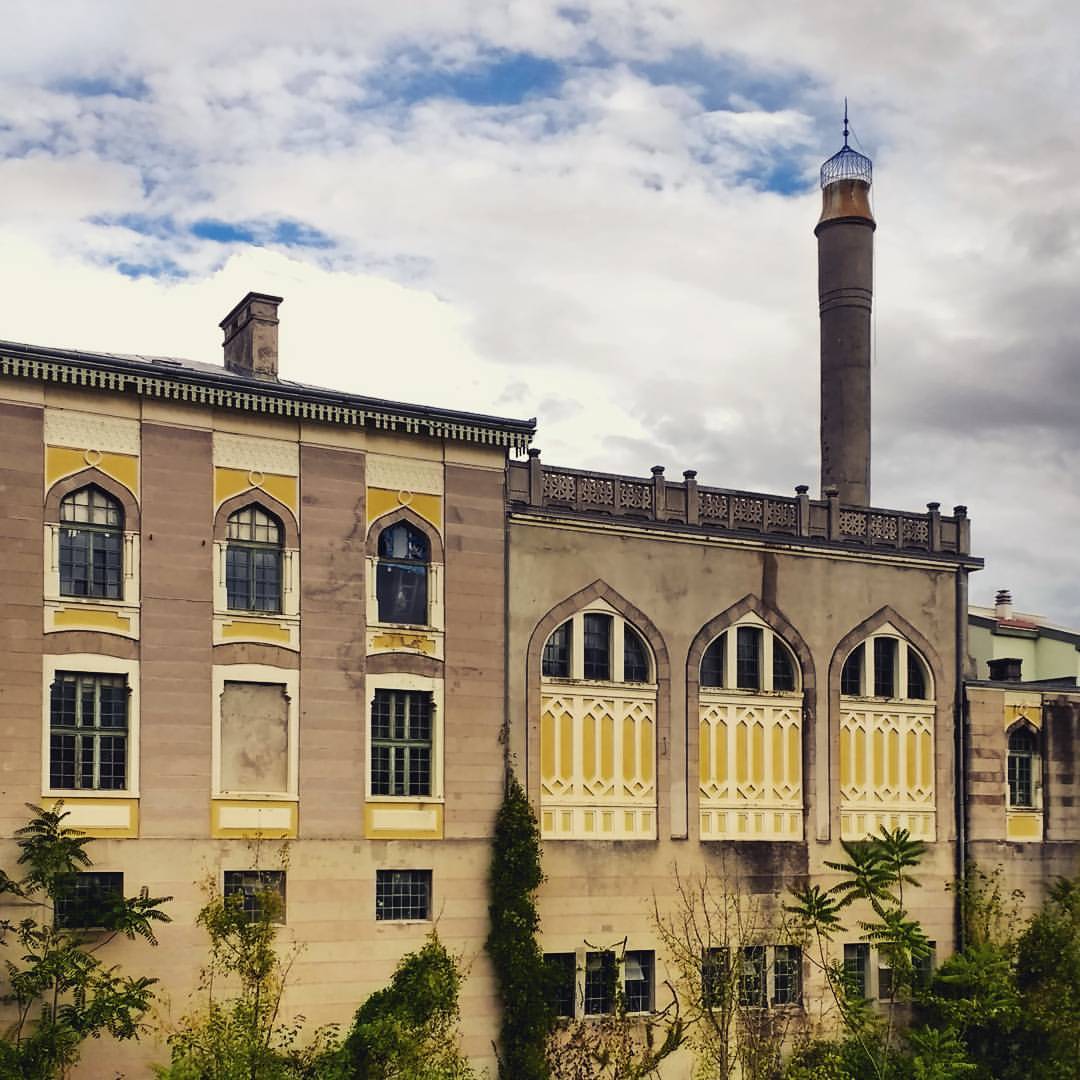
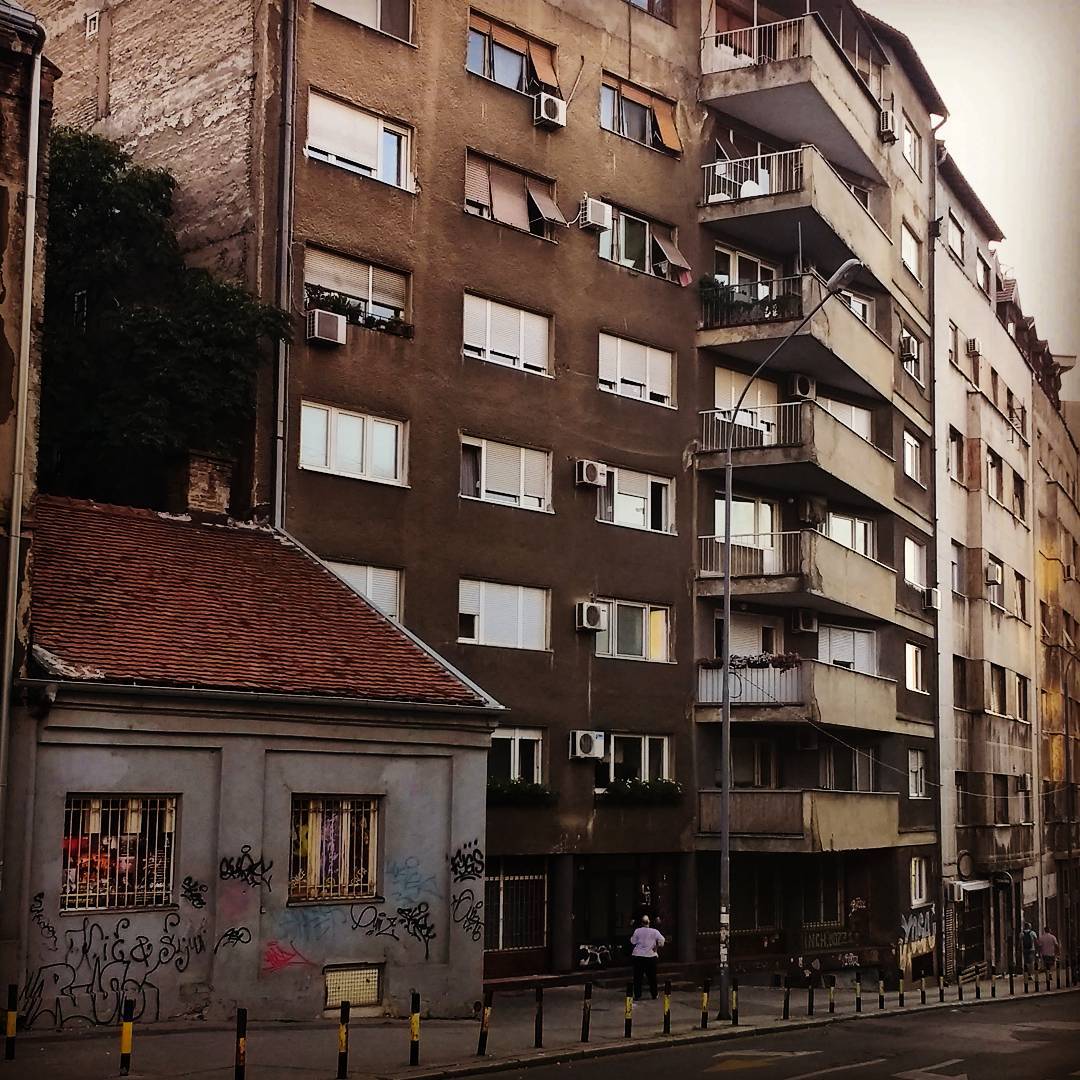
The buildings featured are magnificent Habsburg Empire era structures sometimes abruptly juxtaposed next to brutal and more austere Communist era buildings. Even some Ottoman/Eastern styled buildings. After all Hungary was ruled for 150 years by the Ottoman Empire. A lot of Neo Classical architecture can also be found. Sometimes these Ancient Greece influences are blended into more severe Art Deco architecture. Most of the time I know nothing about the buildings I come into contact with. I am simply just curious about their aesthetic qualities. Its all a fascinating melting pot of different styles. The pictures below, which I took on my wonderings, are evidence of this.


IMG_20181023_130425556_HDR-1560x2080IMG_20181023_155447682-1560x2080IMG_20181023_133756602-1560x2080IMG_20181023_130510824-1560x2080IMG_20181023_160150262_HDR-1560x2080IMG_20181023_153303283-1560x2080IMG_20181023_160816011_HDR-1560x2080IMG_20181023_153506184-1560x2080IMG_20181023_155604211-1560x2080IMG_20181023_155818937_HDR-1560x2080IMG_20181023_161647791-1560x2080IMG_20181023_132831633_HDR-1560x2080IMG_20181023_161400815-1560x2080IMG_20181023_162317228-1560x2080IMG_20181023_132523602-1560x2080IMG_20181023_155238603-1560x2080IMG_20181023_155542814_HDR-1560x2080IMG_20181023_155946754-1560x2080IMG_20181023_132859598-1560x2080IMG_20181023_133252968_HDR-1560x2080IMG_20181023_154958241-1560x2080IMG_20181023_173841338-1560x2080IMG_20181023_132751756_HDR-1560x2080IMG_20181023_155411568-1560x2080IMG_20181023_153214176_BURST001-1560x2080IMG_20181023_154319778-1560x2080IMG_20181023_160016349_HDR-1560x2080


Photographs and text by Nicholas Peart

(c)All Rights Reserved 

Photographs From Rome’s Testaccio District

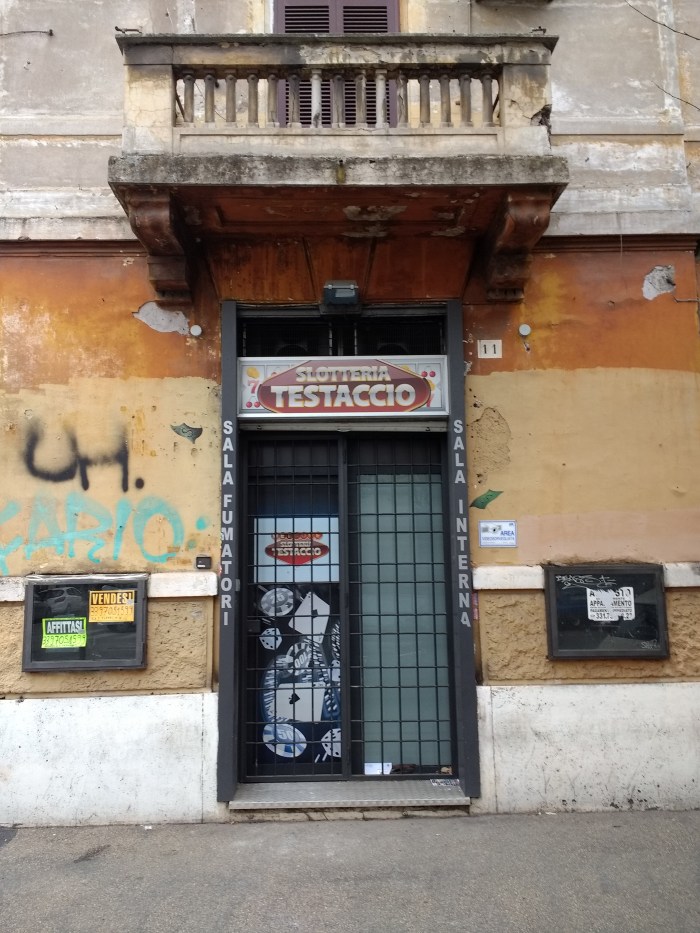
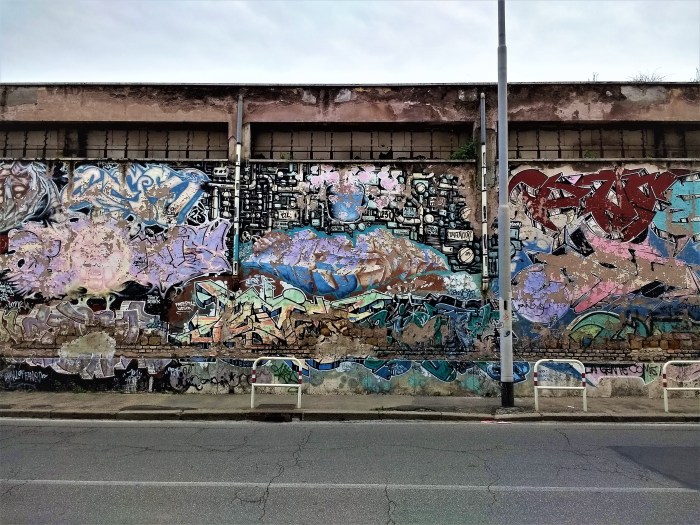
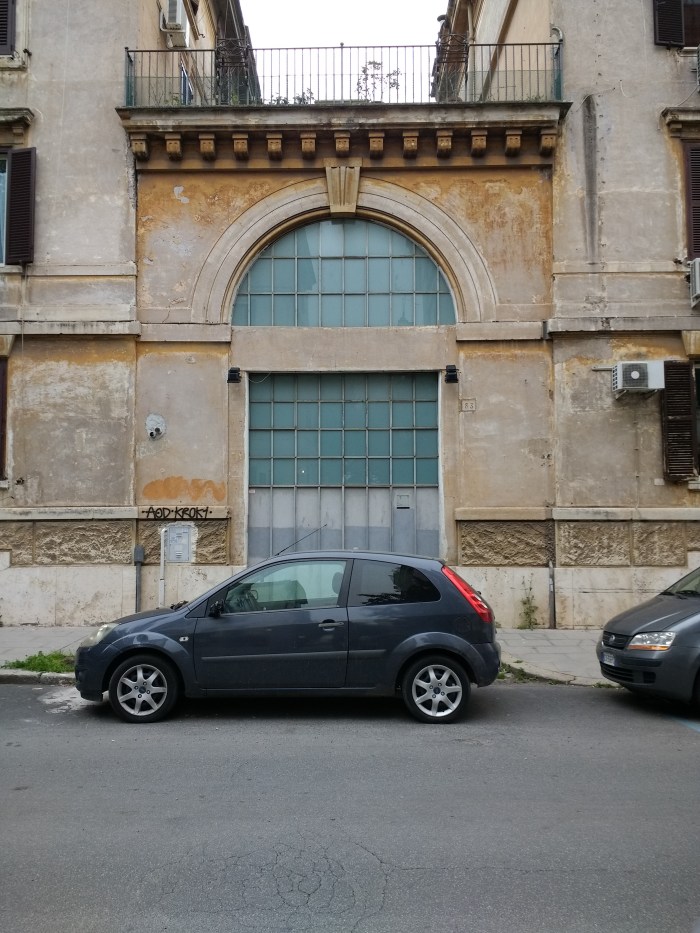
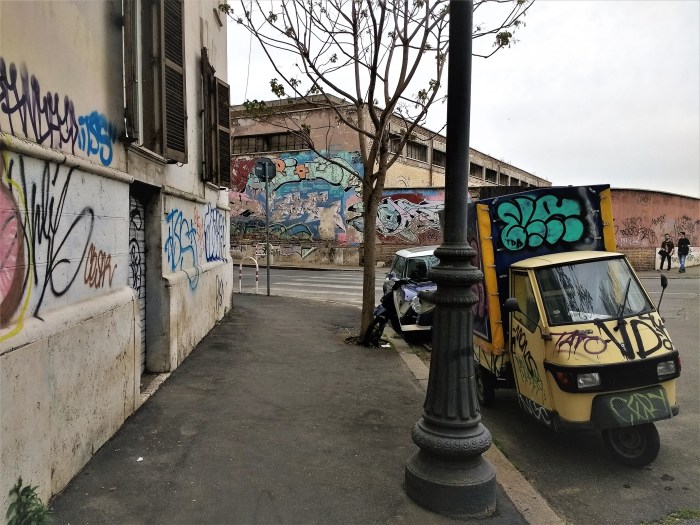
The Testaccio neighbourhood of Rome located by the Tibor river and south of the Coliseum and ruins of ancient Roma is an interesting part of the city to stroll through. For a long time it was traditionally a working-class district. In recent years the area has become gentrified and this shows in some of the trendy eateries and bars as well as the broader mix of residents. Yet unlike some neighbourhoods. which completely lose their original flavour, Testaccio has retained much of its character and this shows in the photographs. The streets are full of grand old multi-story buildings. Graffiti, both artistic and non artistic, can be found in several corners of the neighbourhood.

The main piazza of Testaccio becomes animated over the weekend with families and children playing and kicking footballs around. Old long time residents can also be found shooting the breeze on the piazza benches.

Close to Pyramide metro station on the edge of the district is a prominent Egyptian style pyramid built during the Roman period. And nearby there is a beautiful and tranquil Protestant cemetery where one can find the graves of the English poets Keats and Shelley. I describe this cemetery in another blog post.


IMG_20180414_181914267IMG_20180414_175429284_HDRIMG_20180414_180934697IMG_20180414_180759495IMG_20180414_175826954IMG_20180414_180118696IMG_20180414_180543836IMG_20180414_181749154IMG_20180414_181322599_HDRIMG_20180414_181236969IMG_20180414_182535034IMG_20180414_181511270IMG_20180414_181339140IMG_20180414_182156262IMG_20180414_181540097_HDRIMG_20180414_181602109IMG_20180414_183113914_HDRIMG_20180414_182635649IMG_20180414_182341405IMG_20180414_180858095IMG_20180414_180820634IMG_20180414_183149412


Photographs and text by Nicholas Peart 

(c)All Rights Reserved 


Photographs From Mostar

I visited the town of Mostar in Bosnia and Herzegovina during my two month long Balkans trip back in September 2017. The town is one of the highlights of the country and is easily accessible from either Sarajevo or the historic Croatian town of Dubrovnik. I took the train from Sarajevo, which I highly recommend. On most bus journeys its not uncommon to hear the latest chart music playing on the speakers. Instead during this two hour train journey I was treated to a non stop 60s and 70s rock n roll extravaganza of Thin Lizzy, Free, Deep Purple, Credence Clearwater Revival, The Rolling Stones and lots more classic music from that era.

Mostar is well known for its famous Ottoman era landmark bridge in the old part of town. During the Bosnian war in the 1990s the bridge was completely destroyed as was much of the town. In fact if you take a good walk around Mostar you will see many remnants of bombed out and dilapidated buildings from that awful time. The current bridge is a beautiful and meticulous reconstruction of the original bridge.

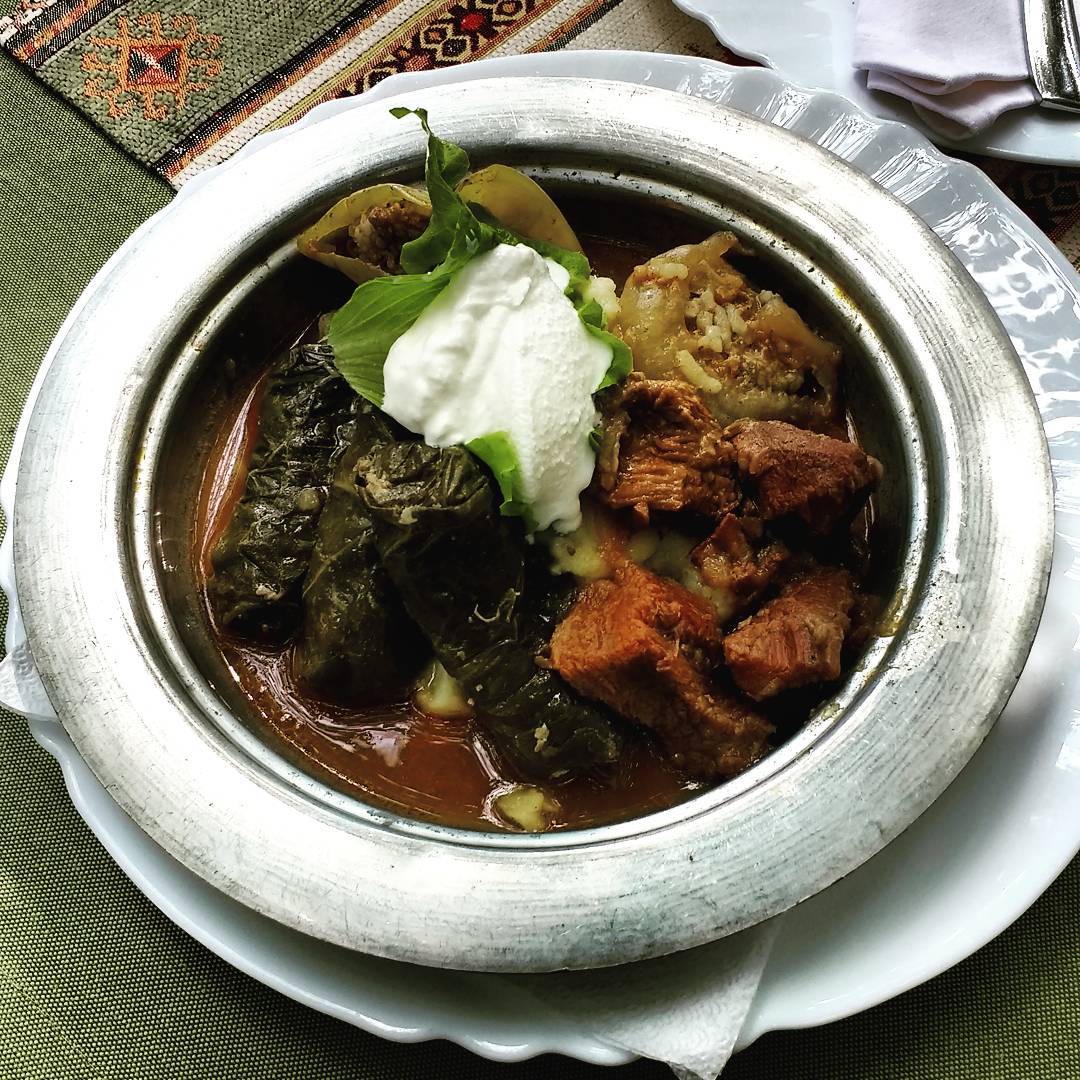
There’s a popular restaurant in the old part of town close to the bridge called Sadrvan, which serves delicious and inexpensive traditional Bosnian cuisine. Look out for the Mostarian Sahan (a traditional local mixed hot pot) and the Duvec (a rich vegetable stew).

This is a pleasant and charming old historical town in a beautiful setting. Most places are walking distance away and you can easily spend 2-3 leisurely days here. Away from the main tourist drag there are some good bakeries selling cheap and tasty pastries.  The best thing to do here is to walk and explore the streets and side streets. Lots of interesting nooks and crannies can be unearthed. Below I am sharing with you all some of my photographs from this interesting slice of the Balkans…

21980328_682601675243390_5797842993582964736_n

21689042_287204848431086_4031590272092602368_n

21980962_117815588886711_6986500468633501696_n

21910072_2114720135417683_6114904149457895424_n

21879493_1845667795744456_2948873529812058112_n

21911429_514433475588526_2837874352064561152_n

21879681_104991570225090_8804041189901729792_n

21911079_1620588721331953_2263239918639644672_n

21910916_1865312173782882_3448435246322679808_n

21879788_117570678954264_8893532614539870208_n

21878896_1169497499818990_2435692403286343680_n

21909200_132688007359728_6240875411400556544_n

21980283_298692230611489_7557218802417532928_n

21879196_128025467786670_4554843543604035584_n

21909503_1700780453327448_5383545788171288576_n (1)

Photographs and text by Nicholas Peart

(c)All Rights Reserved

Photographs From Belgrade’s Savamala District

21147807_1927405347498394_695216941635207168_n

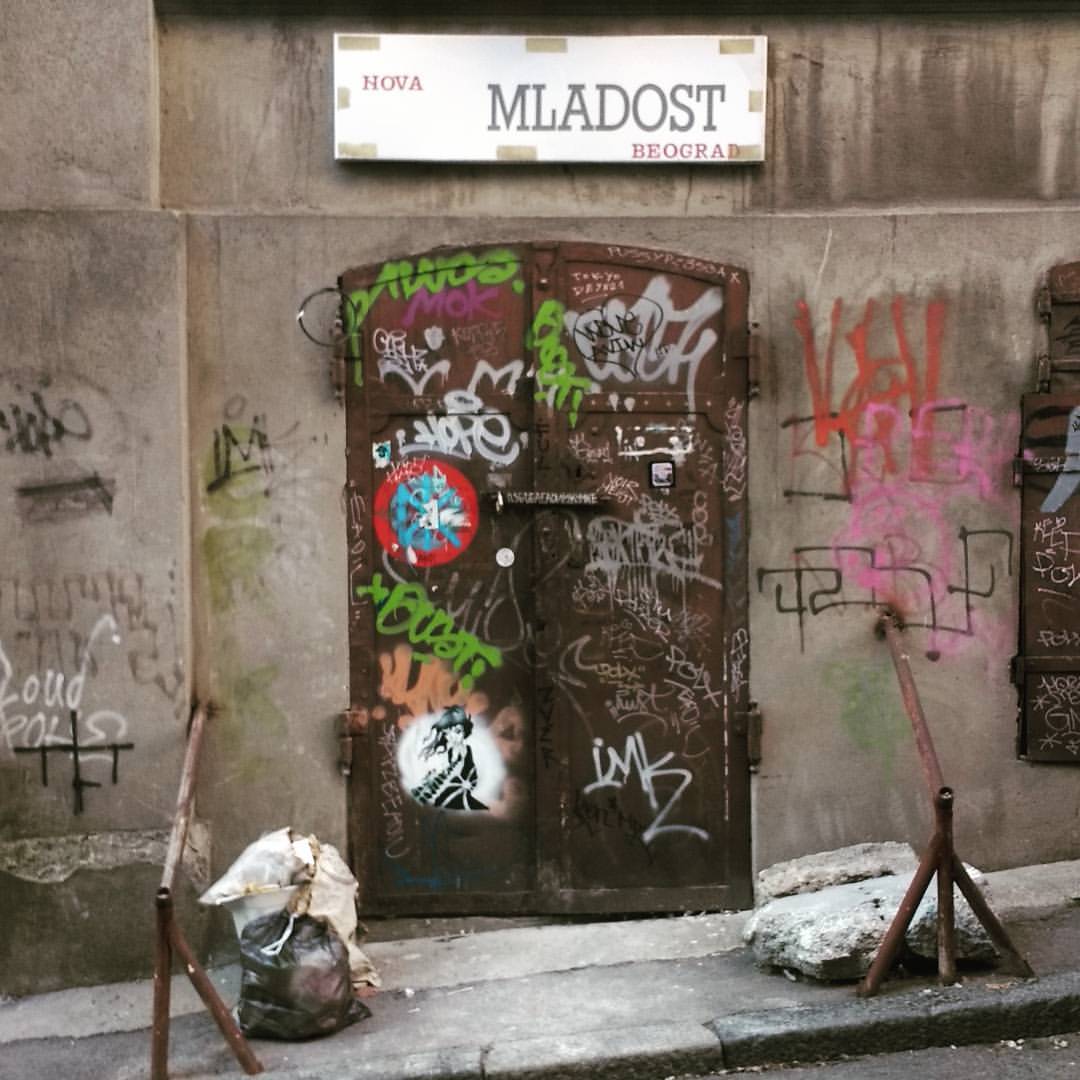
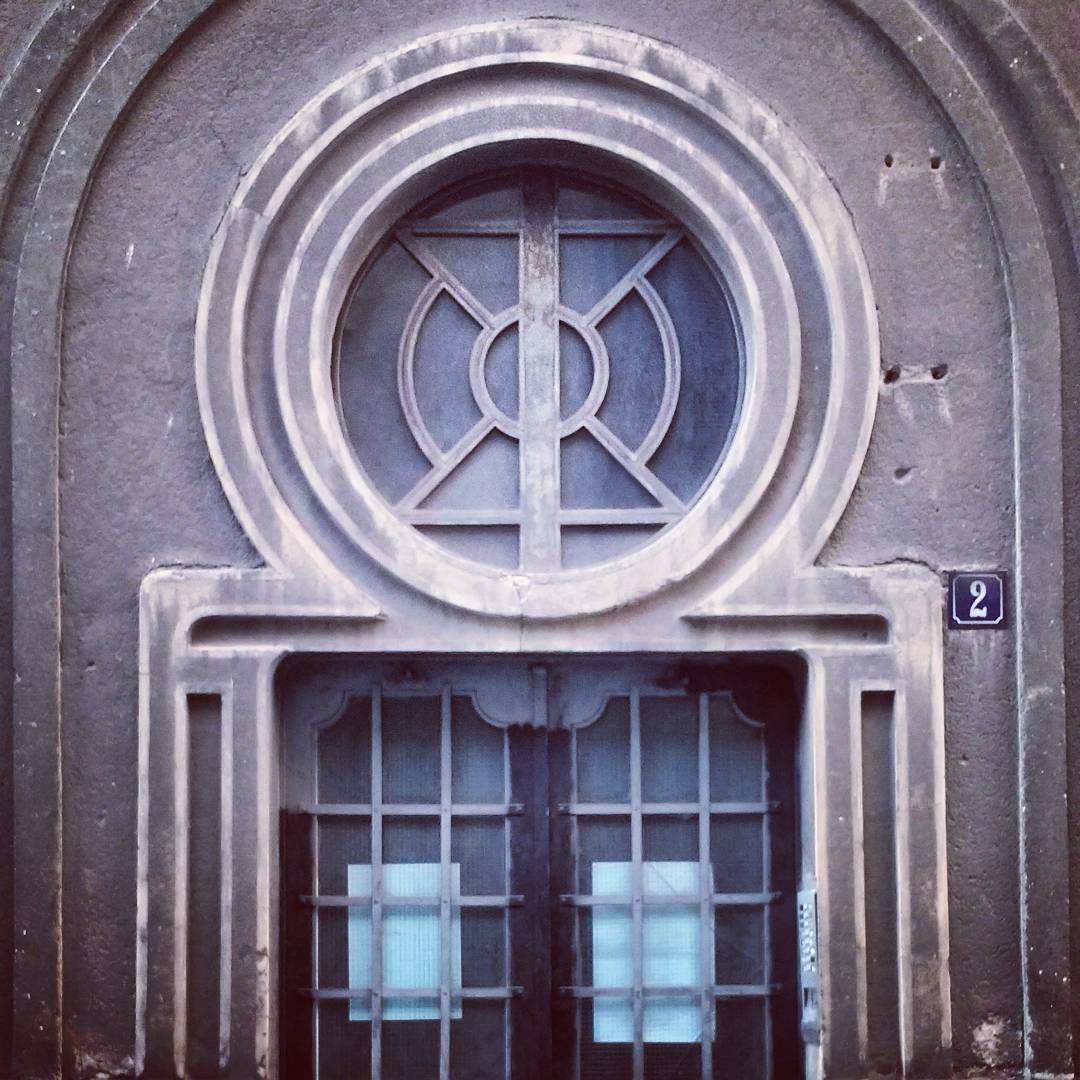
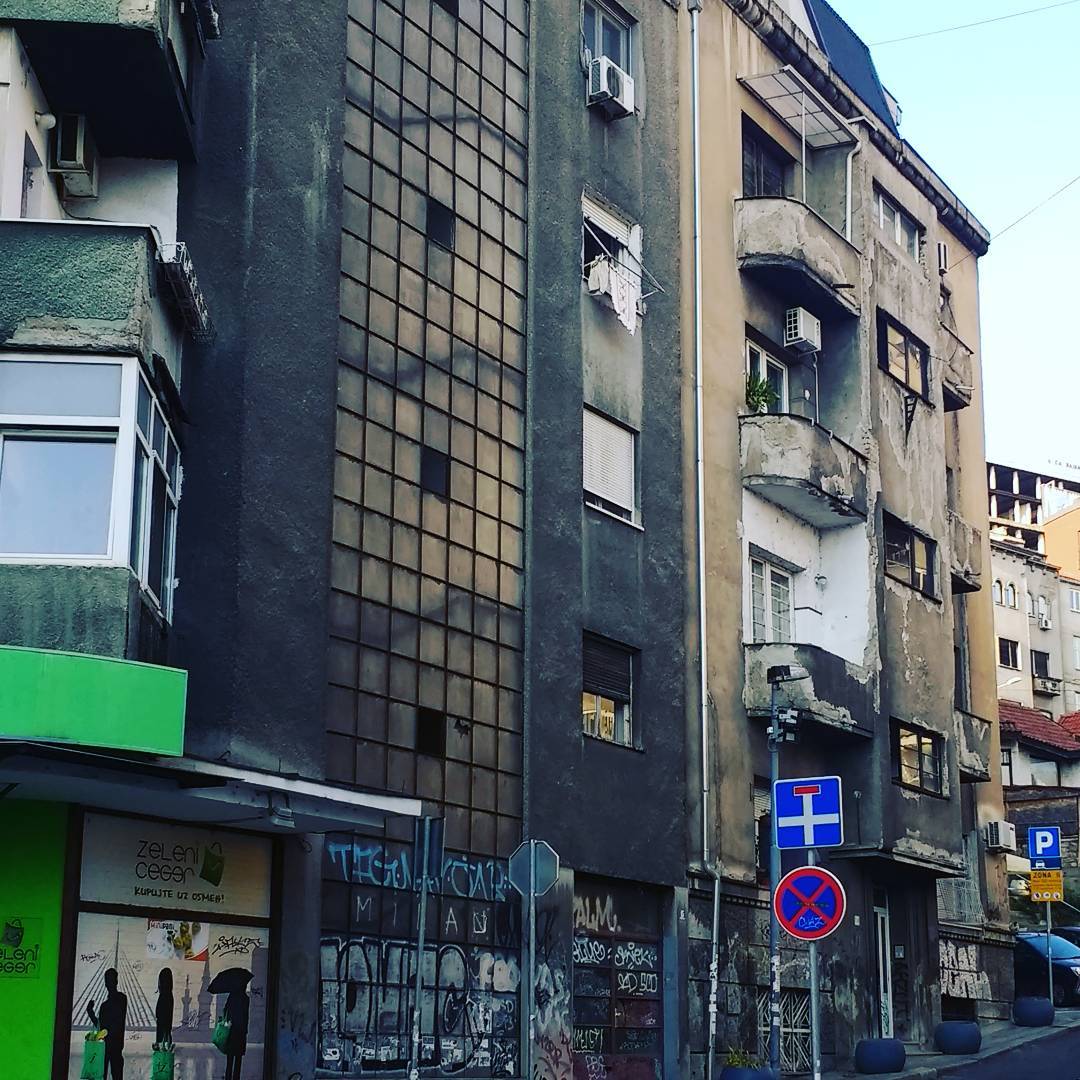
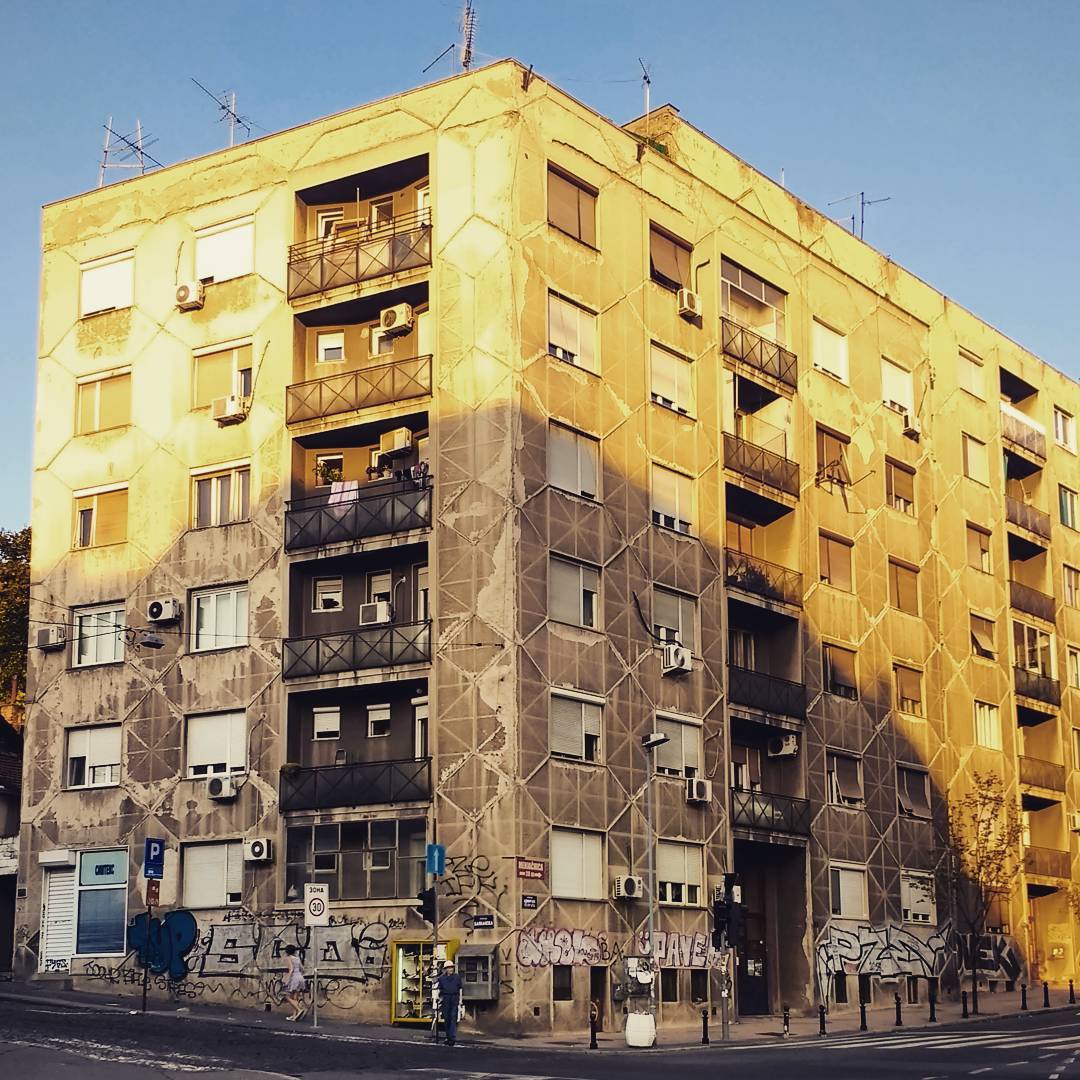
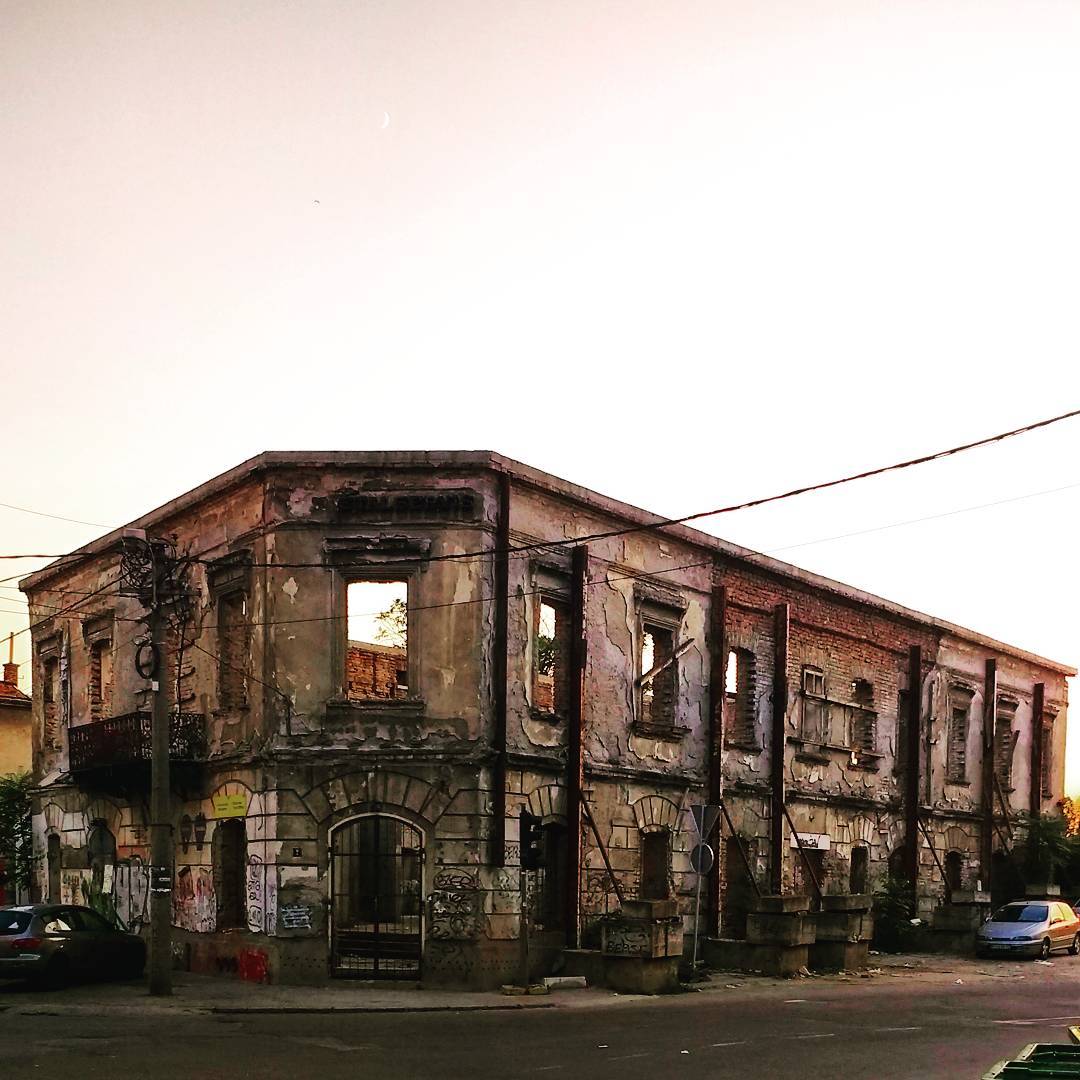
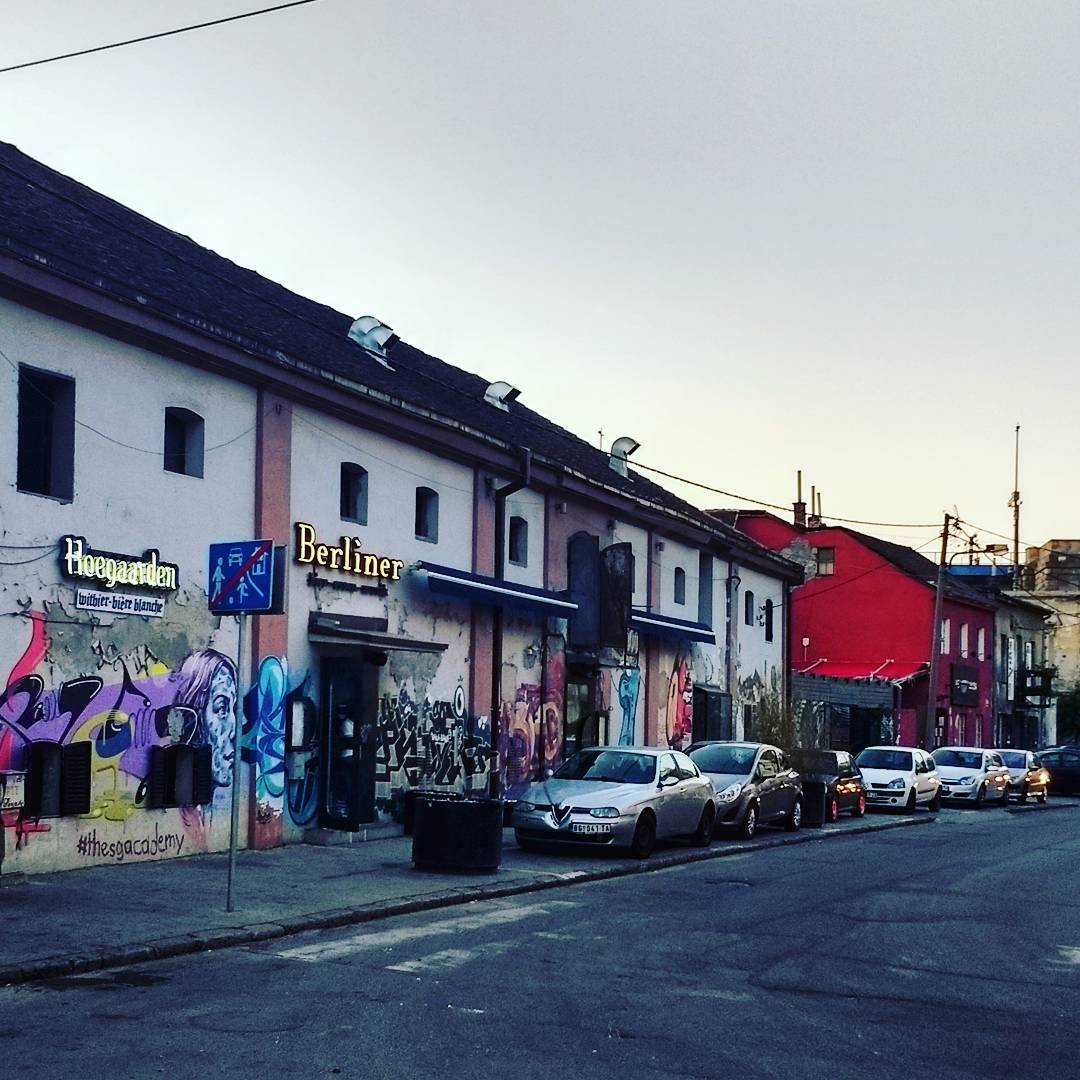
Belgrade’s Savamala district is one of the most interesting parts of the Serbian capital city to explore. It stretches from the main railway and bus station up until the Kalenegdan fort complex. Walking around this area one is rewarded with a mess of different styles and periods of architecture. There are some splendidly ornate buildings in perpetual decay and many more Brutalist structures. In fact, walking around Belgrade for the most part feels like being in an odd blended bubble of Vienna and the Barbican district in London.

Savamala was badly destroyed in both World Wars. For many decades since the end of WW2, it was a very run down place and had a negative reputation. However in the last few years it has developed as the creative hub of Belgrade and many bars and art spaces keep popping up. To get a good and accessible taste of the area’s scene, head to Braće Krsmanović street by the Sava river. The beginning of the street is marked by a disused shell of an old antique crumbling building. Further on is the KC Grad cultural centre. This is an indispensable cultural landmark with live music and happenings. Upstairs there’s an art exhibition space. Further along the street is a clutch of bars.

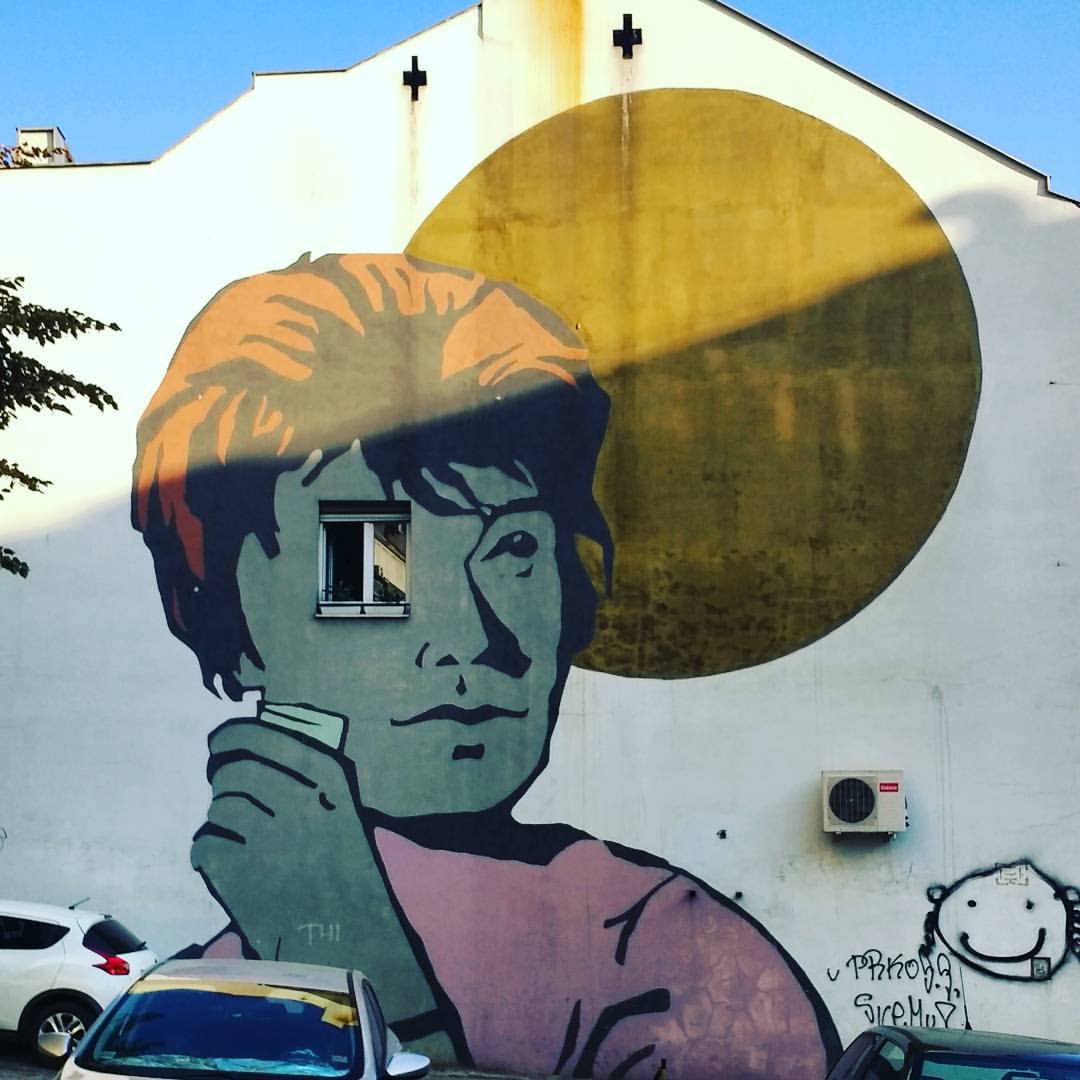
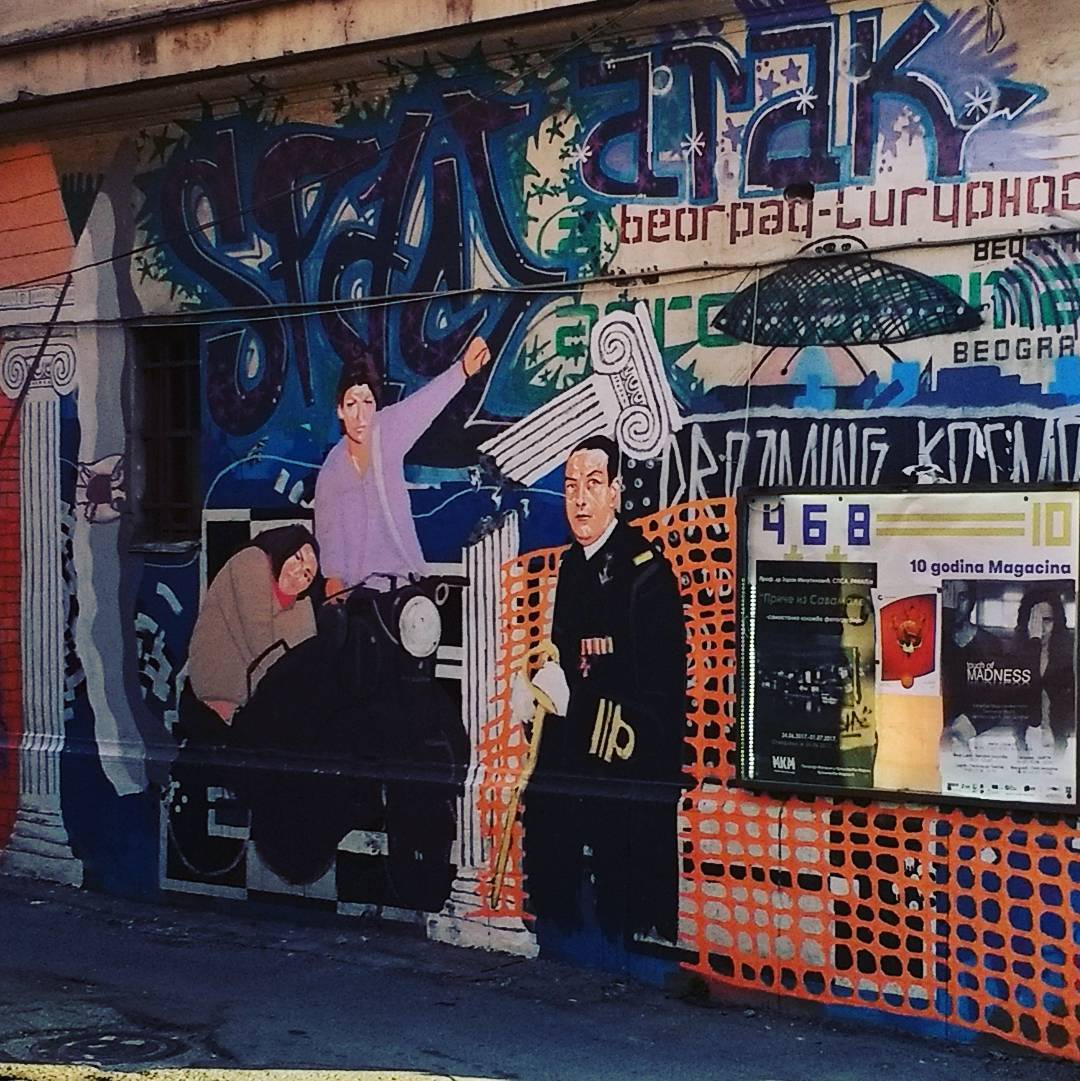
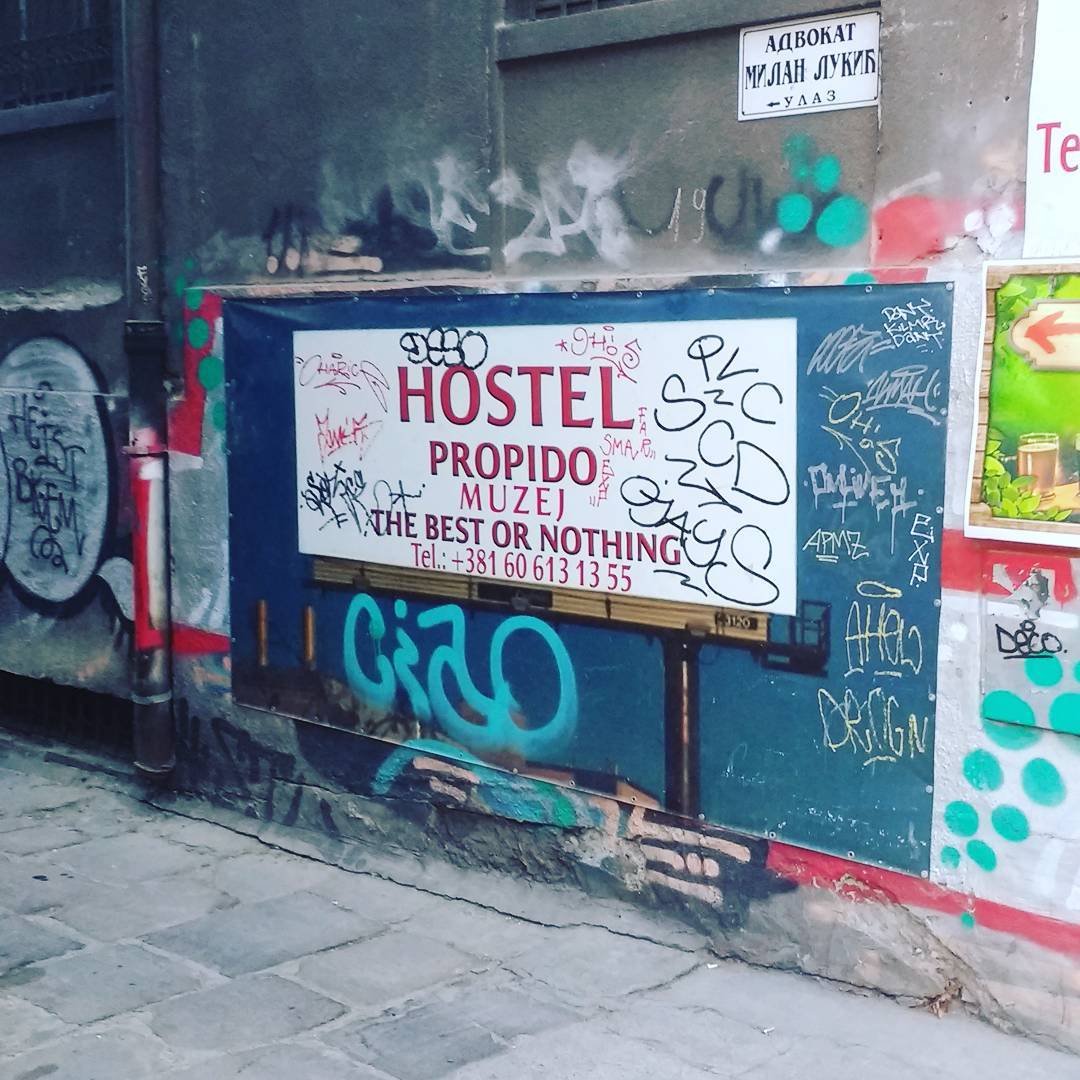
Architectural delights aside, there is some magnificent street art if you look hard enough. The area around Zeleni Venac market is a hive of activity and an interesting place to explore. Lots of cheap snacks and street venders selling anything from books to football t-shirts and some t shirts with the face of Vladimir Putin on them.

Below I am sharing my photographs accumulated from my wonderings around this fascinating part of Belgrade

21224203_757546017739828_761511479835885568_n

21147755_360362011043806_5135320348027256832_n

21107476_118035852254256_5009966633662283776_n

21107493_1653271874746619_6716810508520914944_n

21042594_1621162187908166_2157378934822404096_n

21149320_1391413594311125_5179758218565386240_n

21107168_342306229540502_8387930048002260992_n

21107226_1819068508405233_1964536548204478464_n

21107401_708993529299666_5396275912322842624_n

21224338_114650735900700_3499742444604358656_n

21107169_1980143332270721_7781824937500606464_n

21149518_815189668662455_1199123515781939200_n

21107233_342516679535641_3588759511579492352_n

21148122_139302033341336_7084834792847441920_n

21148972_1237253709714268_269641255183450112_n

21224464_1216131325200137_1622765792640630784_n

21149539_705839419603764_3814601665235910656_n

21107951_115379915863015_3950314570135896064_n

21107778_135996850346893_2467930599608811520_n

21224769_259061641271347_2370649848052449280_n

21107636_2177722482454618_6996814136810143744_n

21108023_1889444804476411_4734104371753648128_n

21147807_1927405347498394_695216941635207168_n

21227737_870557186441792_6313472556410077184_n

21149422_1815404225417609_8392437070718566400_n

21147816_409231822812123_87173027061563392_n

21227504_336788500108412_193016002080931840_n

21224635_832989996868999_7311805797053235200_n

21148959_276292199530522_9183619511780114432_n

21224339_362635617490199_3059867261541023744_n

Text and photography by Nicholas Peart

©All Rights Reserved

Architecture and Design Photographs From The Streets Of Zagreb

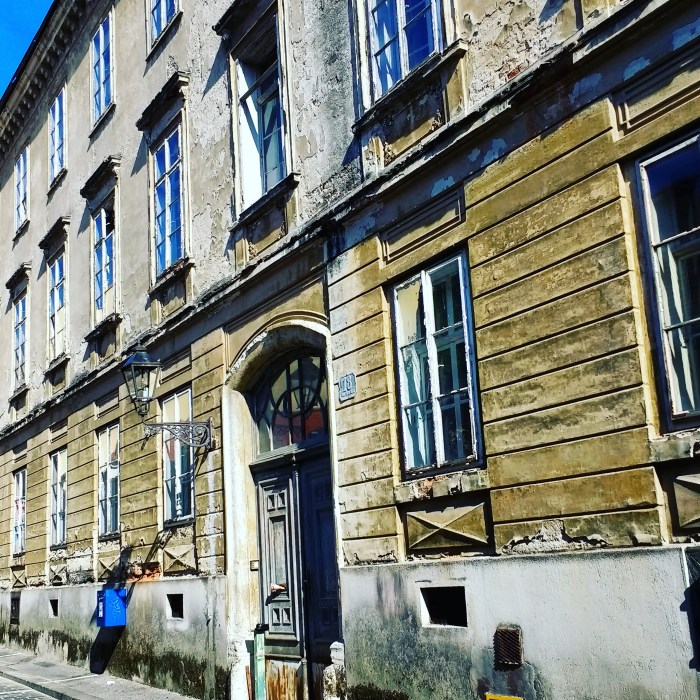
My favourite thing to do in any city I visit is to simply walk it’s streets both within and outside of the city centre. There are, of course, specific sites to see and an overload of information on the internet regarding all the things there are to do. But nothing beats putting the guidebook away, turning off the wi-fi on the smartphone, and just getting lost randomly walking around a city. With this mind sight and limitless doses of curiosity and imagination one is bound to bump into unexpected and spontaneous treats.

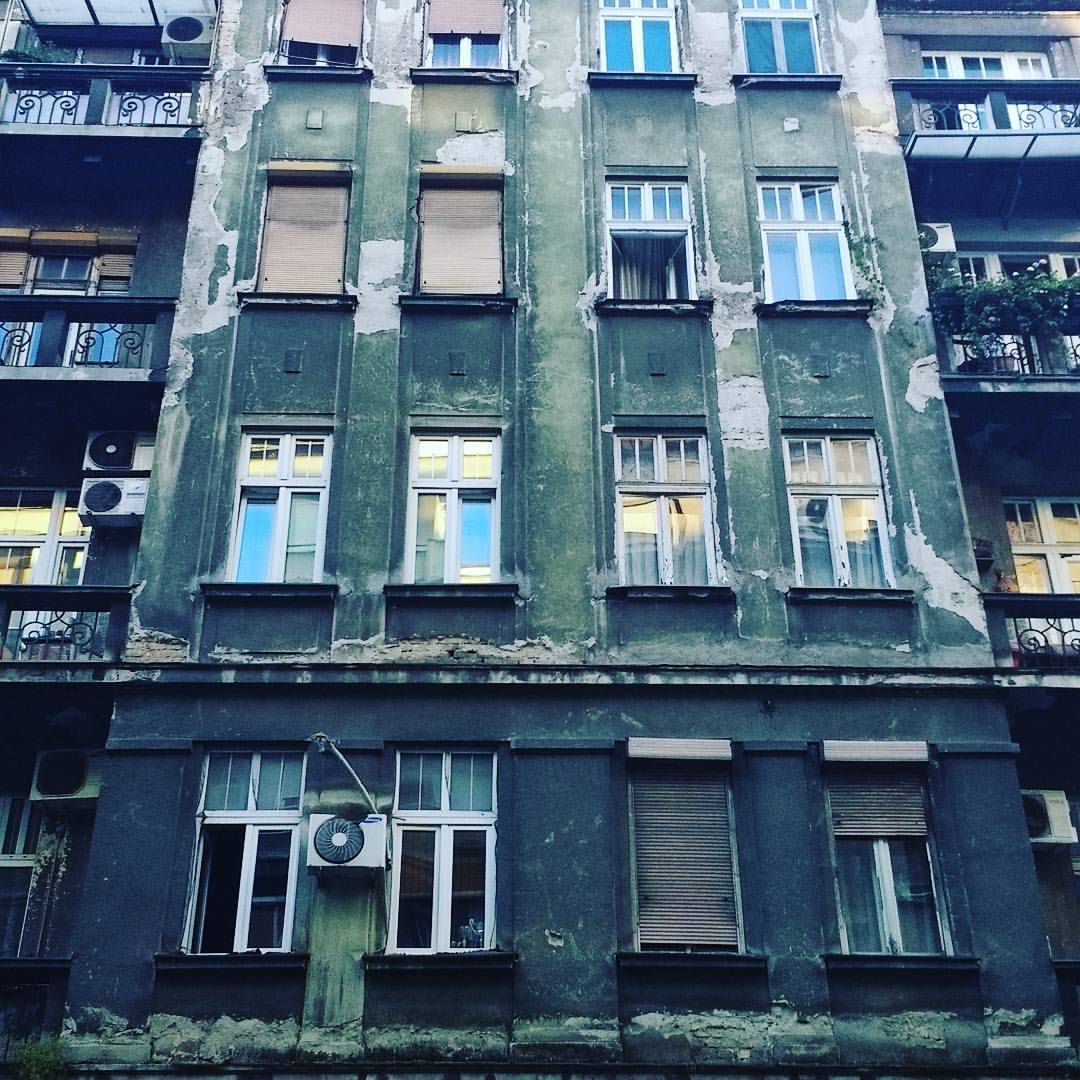
Zagreb, the capital of Croatia, has been a very generous city to me. The architecture and designs of the city’s buildings are a glorious mess of luxurious and elegant Austro-Hungarian empire grandeur and sophisticated Art Nouveau to Bauhaus and more austere Brutalism. Some buildings, especially in the city centre, have been renovated and look pristine and beautified whereas other buildings, many outside the centre, look more neglected and derelict.

IMG_20170818_002754_441

IMG_20170818_003844_440

IMG_20170818_002443_027

IMG_20170818_001503_593

IMG_20170818_000456_739

IMG_20170818_000219_203

IMG_20170818_001646_910

IMG_20170818_001312_877

IMG_20170818_004753_843

IMG_20170818_001824_910

IMG_20170818_000713_187

IMG_20170820_120821_178

IMG_20170820_121103_149

IMG_20170820_114914_998

IMG_20170818_001958_604

IMG_20170818_084905_543

IMG_20170820_114601_824

IMG_20170820_114731_896

IMG_20170820_114432_892

IMG_20170820_115439_636

IMG_20170820_115231_245


Photographs and text by Nicholas Peart

©️All Rights Reserved

Photographs from Bo Kaap

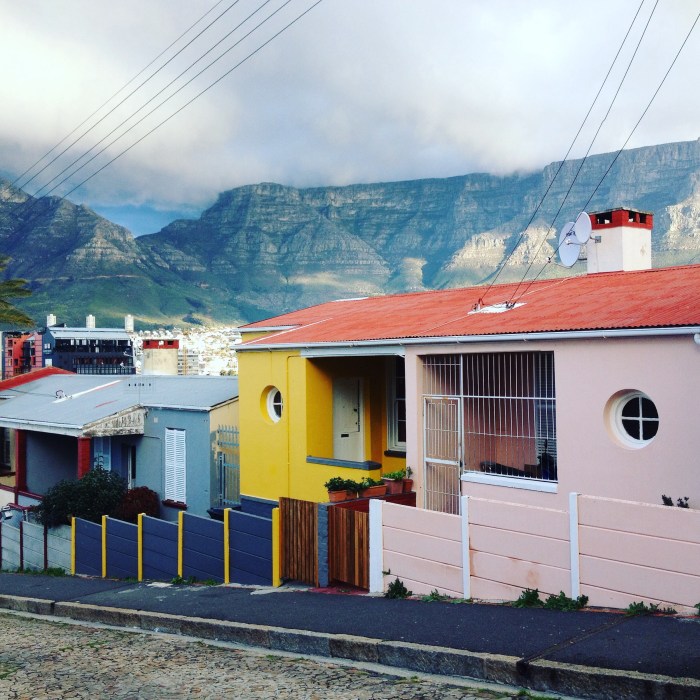
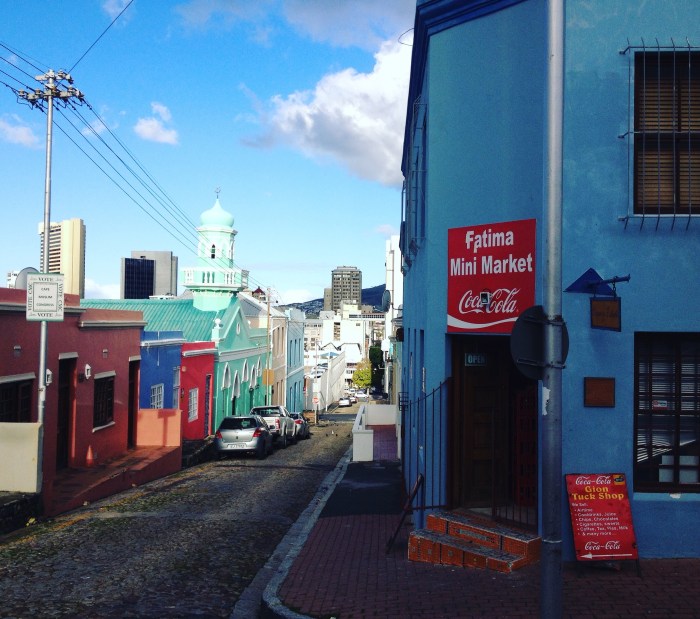
The Bo Kaap district is a fascinating and unique part of Cape Town with an incredibly rich history and culture. It is located on the slopes of Signal Hill, to the west of the city centre. From the top of Bo Kaap on a clear blue day, one is rewarded with an amazing view of the mother city and Table mountain. The first thing that attracts one to this area are its multi coloured period houses, which are a delight to photograph. It’s not uncommon to often see large tour groups and many tourists and travellers with their cameras. I’ve also fallen under its spell.

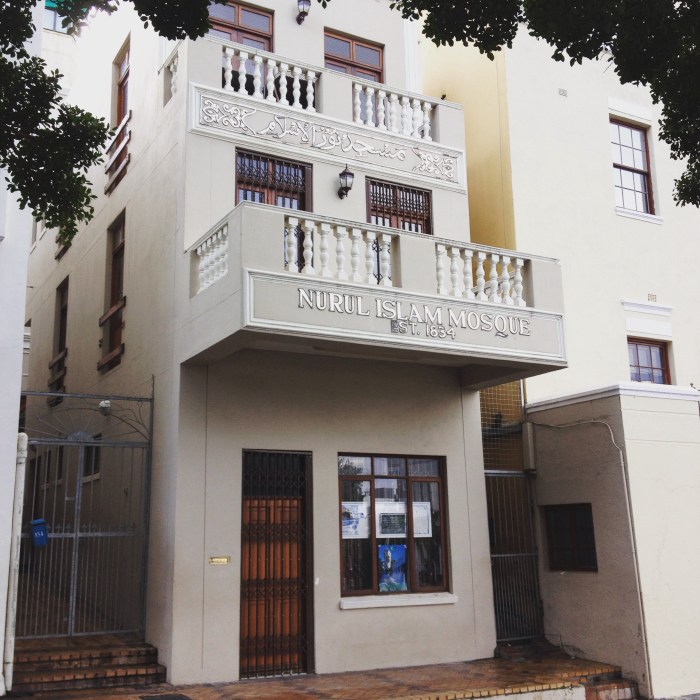
The residents of Bo Kaap have a very unique, exotic, complex and painful cultural history. When the Dutch first arrived in Cape Town in the 17th century as the Dutch East India company, they brought over slaves from various parts of the world where they had trading posts such as in South and South East Asian countries like Malaysia, Indonesia, India, Sri Lanka and other countries in Africa like Madagascar. These slaves were known as Cape Malays (even if many were not of Malaysian descent) and the residents of Bo Kaap are descendants of these slaves. The takeover of the Cape Colony by the British from the Dutch in 1795 and the subsequent abolition of slavery gave the former Cape Malay slaves a newfound freedom including religious freedom. The Bo Kaap area is predominantly Muslim as can be seen by the mosques in the area and the residents refer to themselves as Cape Muslims.

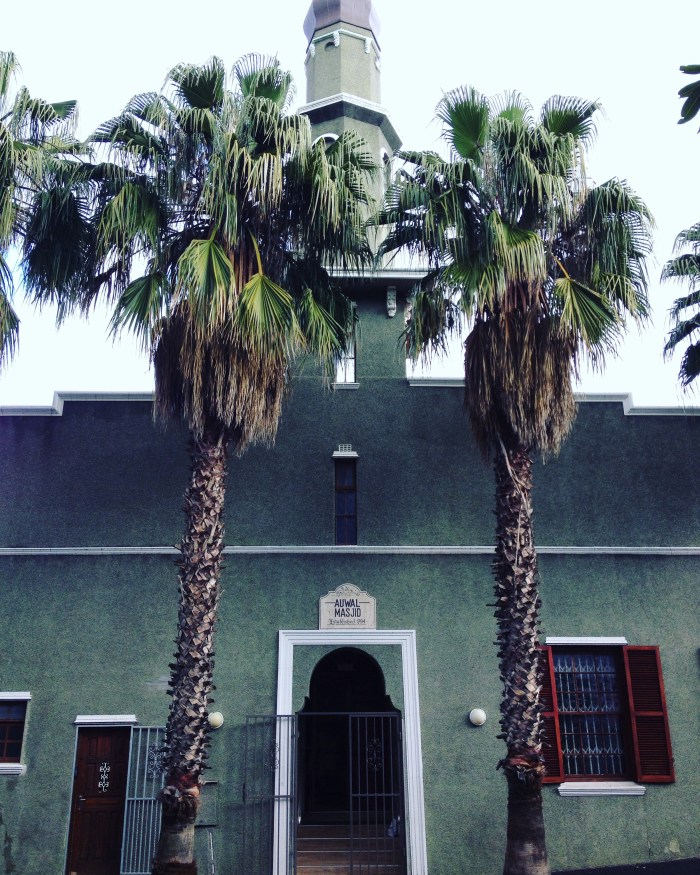
The Bo Kaap is home to some important historical landmarks. The Bo Kaap Museum is the oldest house in Bo Kaap, dating back to the 1760s, still in its original construction. The museum is small but definitely worth a visit. There is a room dedicated to the history of the area. In another room one can watch a short documentary film featuring Bo Kaap Malay residents talking about the history of the area, their experiences of living here and their feelings on how the area is changing. The nearby Auwal Masjid is the oldest mosque in the Southern Hemisphere established in 1794.

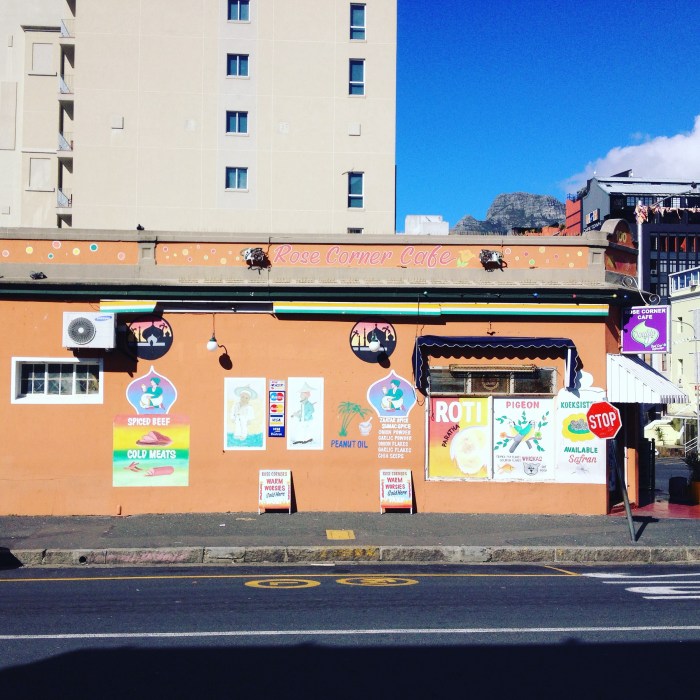
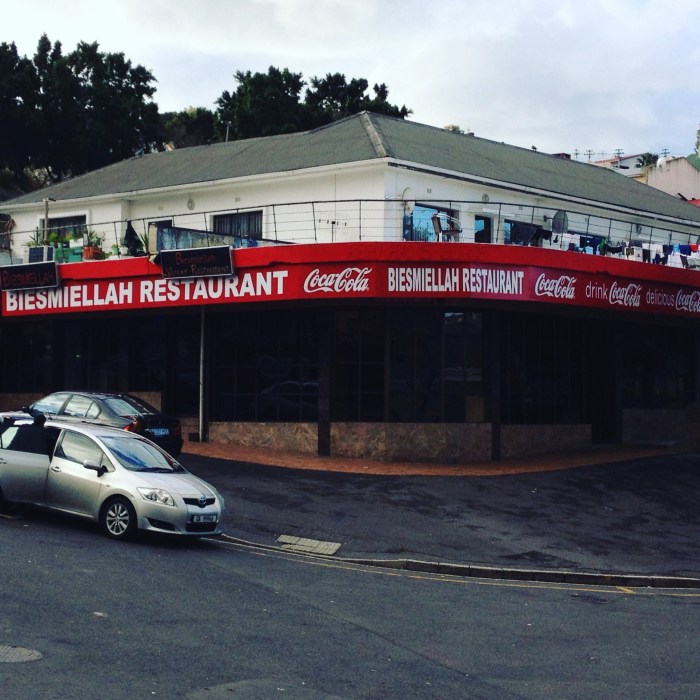
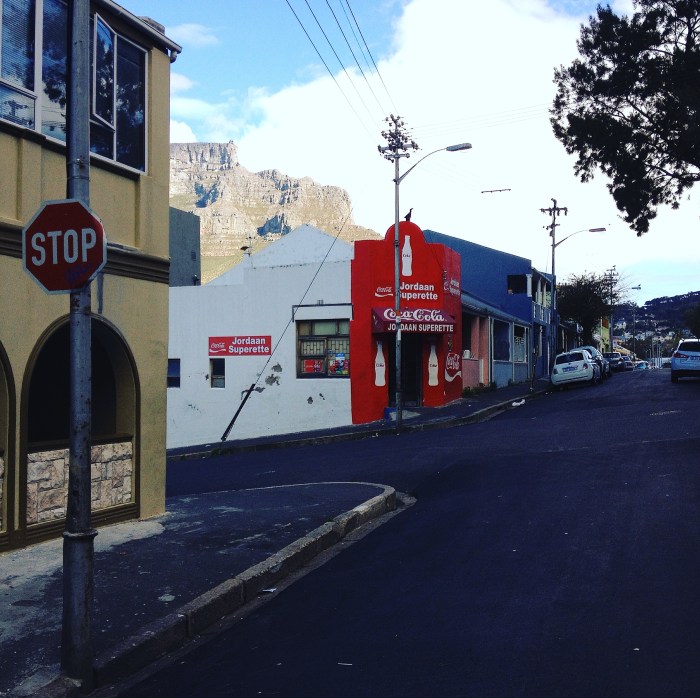
If you want to sample some delicious Cape Malay cuisine, Biesmiellah restaurant serves excellent and authentic Malay dishes. The bobotie and prawn curry are very good. Directly adjacent to the restaurant, there is a cheap takeaway place which sells mutton curries and also small snacks like samosas and chilli bites. The Rose Corner cafe is the place to go to buy spices if you want to have a go at making some traditional Cape Malay dishes. The small corner shop called Jordaan Superette close to where I was staying on Jordaan Street sells delicious homemade chocolate biscuits.

In the past few years prices for property in Bo Kaap have been increasing at an unprecedented rate and many of the original Malay families who’ve been living in their houses for generations have been tempted to sell up. Yet many defiantly are staying put not swayed by the increase in value of their homes. On a sunny Sunday afternoon (or any other time of day) you will see local families relaxing by their front yards. If you are in the neighbourhood, a simple ‘salaam alaykum’ greeting goes a long way.

Cape Town Free Walking Tours, located on Green Market Square in central Cape Town, does free walking tours 2-3 times daily and is a fantastic way to get to know the area and it’s interesting history.

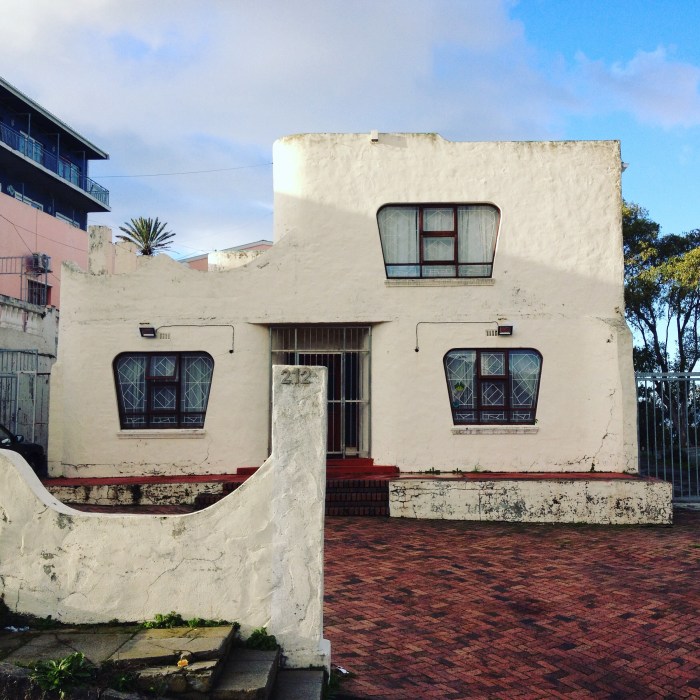
During my time in Cape Town, I stayed for close to a week in one of the Bo Kaap houses located on Jordaan street. From there I went for several strolls through the neighbourhood and the result is the many photographs (I hope not too many) I took, which I am featuring below.


by Nicholas Peart

6th August 2016

(All rights reserved)


image

The heart of Bo Kaap


image

The heart of Bo Kaap


image

The heart of Bo Kaap


image

Georgian style houses


image

The Bo Kaap museum and the oldest house in Bo Kaap


image

Inside the Bo Kaap museum 

 
image

The Auwal Masjid: the oldest mosque in the southern hemisphere established in 1794


image

Keeping up with the Finklesteins


image

Your’s truly


image

Rose Corner Cafe – sells great spices and other Maley culinary delights


image


image


image


image

Biesmiellah Restaurant: excellent Malay Cuisine. Try the bobootie or prawn curry


image


image

My neighbourhood on Jordaan street


image

My temporary residence


image


image


image


image

Nurul Islam mosque


image


image