Baba Vanga: The Nostradamus Of The 20th Century

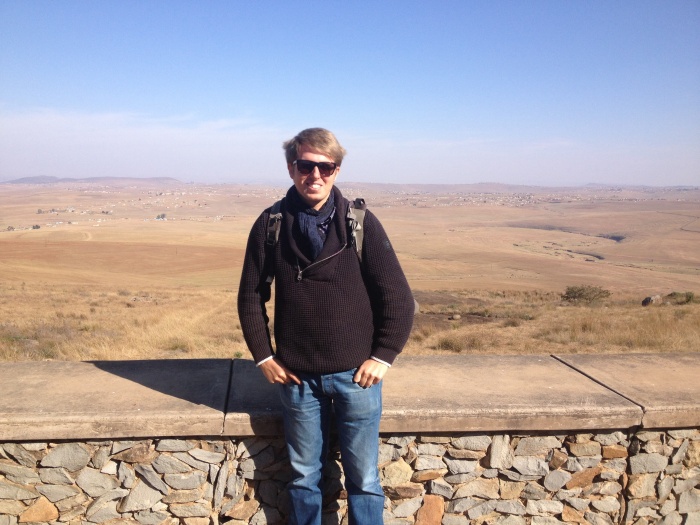
img_0355


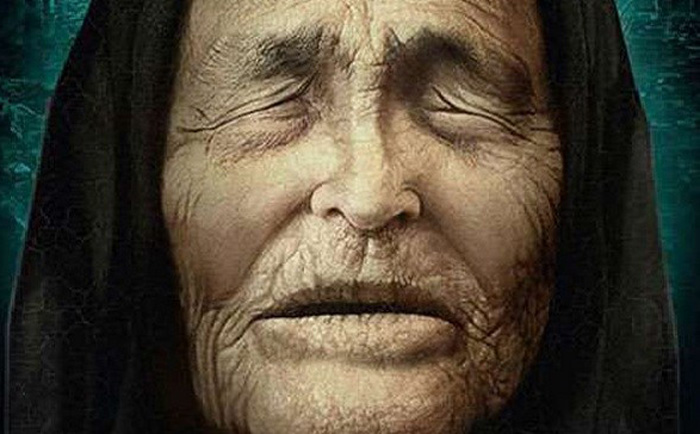
Vangelia Gushterova or Baba Vanga as she was better known was born on January 31st, 1911 in Strumica, former Yugoslavia. She is often referred to as the Nostradamus of the 20th Century for her prophecies and unique ability to foretell the future


The Life Of Baba Vanga

When Baba Vanga was only three years old her mother died and her father went to fight during the First World War meaning she grew up pretty much alone. Her father later remarried when she was seven years old and at the age of twelve they all moved to a town called Novo Selo where Baba Vanga went through a period of tremendous unhappiness.

One day something unusual happened which would change her life completely. She was with her cousins outside when a powerful tornado appeared and proceeded to catapult her into the air and into a field of crops some distance away. When she was eventually found in the field after a long search, witnesses say that she was very frightened and in considerable pain. Her eyes were covered in dirt and dust and she ways unable to open her eyes because of the pain. The incident left her permanently blind and she was sent to a home for blind people in a town called Zemun until the age of eighteen. Afterwards she came back home to care for her brothers and sisters after her stepmother passed away. It was during this time back at home when she experienced unusual metaphysical activities. She would often dream, hear voices, have visions and even communicate with the dead and plants. More significantly, she predicted many events which came true with unbelievable accuracy.

Some days before her death on November 11th 1996, she said the following worlds in a TV interview, “Don’t hate each other, because you are all my children!”

Also, some time before her death, she said that a blind 10 year old girl living in France would inherit her gift, and said that the world would soon hear about her.


Baba Vanga’s Prophecies and Their Significance Today

Many of Baba Vanga’s predictions came true. Some of the more recent events happening in the world today most notably the 9/11 attacks and the rise of ISIS have been linked to Baba Vanga’s prophecies and have put her in the spotlight.

Some of her predictions which came true include…

The beginning of WW2

The date on which Tsar Boris III died (Bulgarian king from 1918-1943)

The break-up of Czechoslovakia

The riots in Lebanon (1968)

The war in Nicaragua (1979)

The election of Indira Gandhi and her death

The break-up of the Soviet Union

The nuclear disaster in Chernobyl

The date when Stalin died

The 2004 Boxing Day Tsunami (This is linked to a prophecy she made where she said, “A huge wave will cover a big coast covered with people and towns, and everything will disappear beneath the water. Everything will melt, just like ice.”)

The 44th President of the United States would be African-American (yet she also said that he would be the last US President)

The 9/11 Twin Tower attacks (This is linked to a prophecy she made in 1989 where she reportedly said, ‘Horror, horror! The American brethren will fall after being attacked by the steel birds. The wolves will be howling in a bush, and innocent blood will be gushing’.)

The disaster of the Russian “Kursk” submarine


Other Predictions

There has been quite a hullabaloo recently regarding some of her other predictions. Some claim that she had warned that Muslims would invade Europe in a ‘great Muslim war’ which would conclude with the establishment of an Islamic caliphate by 2043, with the city of Rome as its capital. This prophecy has propelled conspiracy theorists to highlight the rise of ISIS as evidence.

She also forewarned how the world would change due to the effects of global warming (“Cold regions will become warm … and volcanoes will awaken”)

Other predictions include a prediction that aliens would enable civilisation to live underwater by 2130 and another that in 3005 there would be a war on Mars

Although many of her predictions came true, many also didn’t. Most notably her prediction that in 2010 there would be another world war.


By Nicholas Peart

2nd October 2016

(All rights reserved)


Image source: http://www.catchnews.com


Text sources:

http://www.baba-vanga.com/

https://en.m.wikipedia.org/wiki/Baba_Vanga

http://www.independent.co.uk/news/world/baba-vanga-who-is-the-blind-mystic-who-predicted-the-rise-of-isis-a6765071.html

Remembering The Great Fire Of London

image

The Great Fire (image source: http://www.museumoflondon.org.uk)


Today marks the 350th Anniversary of the Great Fire Of London. To recognise this the Museum of London currently has on display until April 2017 an excellent temporary exhibition. As well as a wealth of information, there are also original artefacts on show like the original leather buckets and fire squirt pipes residents used to stop the fire as well as some of the possessions affected residents tried to salvage from their burning homes.

Only a year before the Fire, London was devastated by the Great Plague of 1665 which killed 100,000 people (a fifth of the city’s population). There are a few reasons why the fire had the devastating impact it had. Firstly, most of the buildings of the city of London back then were made out of timber. The city at the time also didn’t have the proper facilities to reduce the fire. There were certainly no fire brigades and sadly one of the only ways to effectively put out the fires was to tear down many of the wooden houses to prevent the fires from spreading further. It had also been a very dry and hot summer and combined with a strong wind from the east, those initial small flames began to spread to almost all of the city of London.

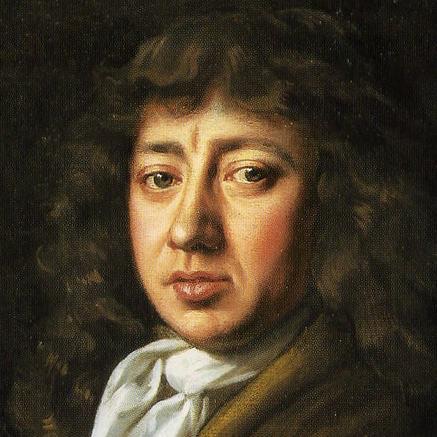
The fire began very early one morning on Sunday 2nd September 1666 at a bakery on Pudding Lane close to London Bridge. The mayor of London at the time, Sir Thomas Bludworth, two hours after the fire didn’t take it seriously and was reported to have said, ‘Pish! A woman might piss it out’. Later in the morning the great London diarist of the time, Samuel Pepys, told the King in Whitehall ‘that unless his majesty did command houses to be pulled down nothing could stop the fire’. By the evening the fire had already grown half a mile wide enveloping great parts of the city.


image

A portrait of the 17th century MP Samuel Pepys who witnessed the Great Fire and wrote about it in his famous diary (image source: http://www.twitter.com)


Most of the residents of London were ill-equipped to deal with the fire. Most of the methods the residents used were ineffective. Water carried in heavy leather buckets and fire squirts were used to try and reduce the fire, but with little to no success. It was, however, Charles II and his brother James who established firefighting bases around the city on the morning of the next day on Monday 3rd September 1666 to tackle the fire. It seemed that Samuel Pepys was indeed right when he said that the only way to reduce the fire was to pull down many of the wooden houses. By doing this not only was the fire prevented from spreading further, it also created gaps between the rows of wooden houses which the flames couldn’t cross. The first major casualty of the day were the printers of the London Gazette which earlier in the day printed the news that ‘a sudden and lamentable fire’ is burning down London.

On Tuesday the next day, the fire has engulfed even greater parts of the city. By 6am, one of the most important streets of the city of London, Cheapside, began to burn. When night fell, gunpowder was used to blow up houses to prevent the fire from reaching the Tower Of London. Around 8pm, the fire had burnt large parts of St Paul’s Cathedral. Fortunately, as the night progressed, much of the wind began to die down and by the morning of Wednesday 5th September, most of the fire had been eradicated.

The fire had left many residents homeless. More than 13,000 houses, 87 churches and 436 acres of the city were in ruins. It had also created a great housing shortage and rents for the properties unaffected by the fire were extortionate. Whilst residents were fleeing their homes they also tried to scavenge many of their possessions. Money, musical instruments, pets and Parmesan cheese were some of the things residents tried to save. Some unscrupulous carters helping residents to save and transport their stuff made a killing with some charging residents £20 (£3000 today) to hire their carts. Samuel Pepys was one of the fortunate few who’s house was unaffected by the fire. He also protected his Parmesan cheese and wine from the fire by burying them in his garden.


image

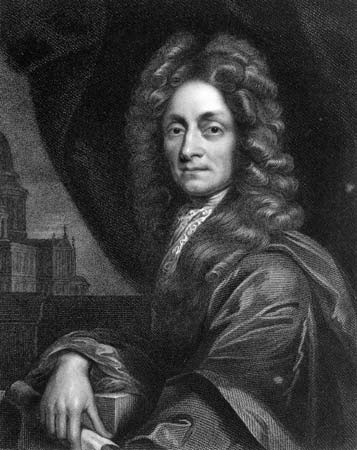
The architect Sir Christopher Wren who was responsible for rebuilding  the city of London (image source: http://www.britannica.com)


The principle person involved in rebuilding London was the great architect Sir Christopher Wren who redesigned St Paul’s Cathedral and many other churches and buildings affected by the fire. All new homes, churches and buildings were made with brick instead of wood in order to be able to withstand future fires. Few original relics (one example being the Tower of London) of London before the Great Fire remain and in many ways the year zero of the London that one sees today is the London of Christopher Wren.


by Nicholas Peart

2nd September 2016

(all rights reserved)


Photographs from Bo Kaap

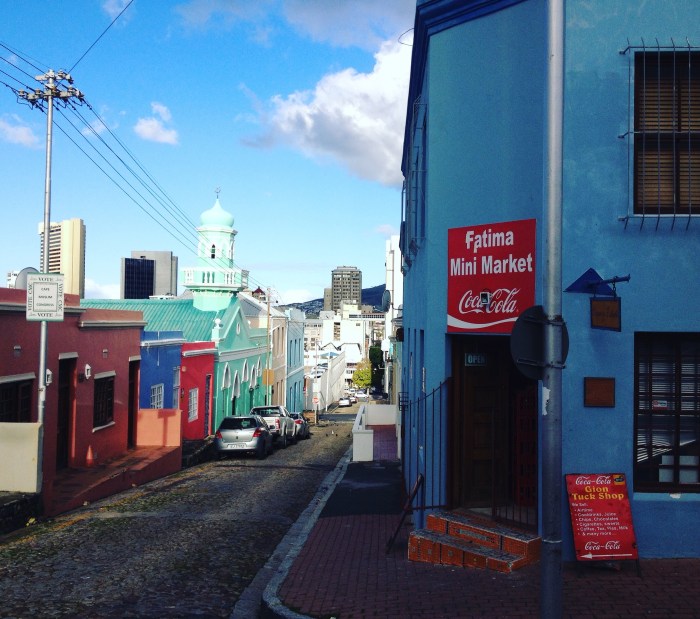
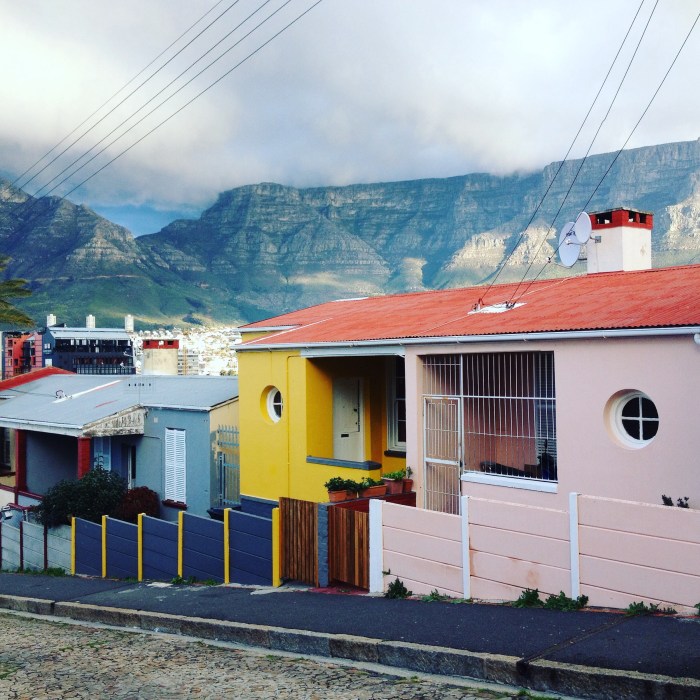
The Bo Kaap district is a fascinating and unique part of Cape Town with an incredibly rich history and culture. It is located on the slopes of Signal Hill, to the west of the city centre. From the top of Bo Kaap on a clear blue day, one is rewarded with an amazing view of the mother city and Table mountain. The first thing that attracts one to this area are its multi coloured period houses, which are a delight to photograph. It’s not uncommon to often see large tour groups and many tourists and travellers with their cameras. I’ve also fallen under its spell.

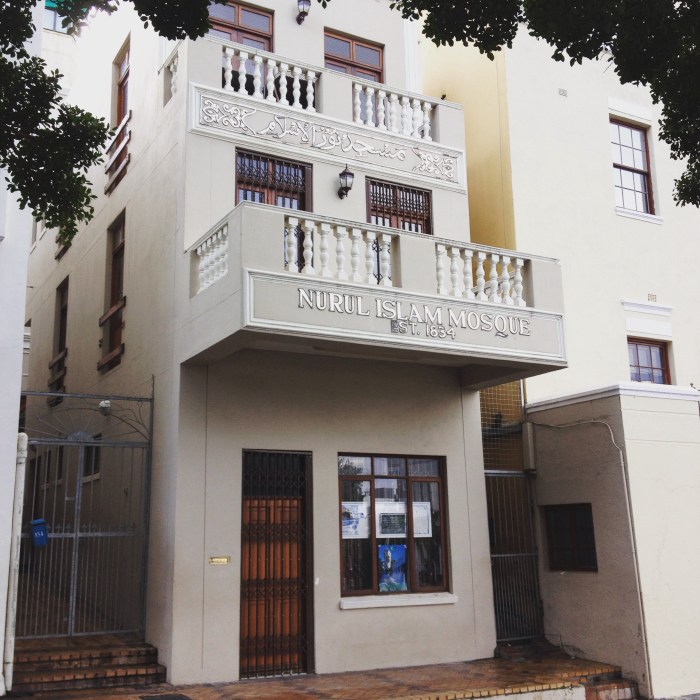
The residents of Bo Kaap have a very unique, exotic, complex and painful cultural history. When the Dutch first arrived in Cape Town in the 17th century as the Dutch East India company, they brought over slaves from various parts of the world where they had trading posts such as in South and South East Asian countries like Malaysia, Indonesia, India, Sri Lanka and other countries in Africa like Madagascar. These slaves were known as Cape Malays (even if many were not of Malaysian descent) and the residents of Bo Kaap are descendants of these slaves. The takeover of the Cape Colony by the British from the Dutch in 1795 and the subsequent abolition of slavery gave the former Cape Malay slaves a newfound freedom including religious freedom. The Bo Kaap area is predominantly Muslim as can be seen by the mosques in the area and the residents refer to themselves as Cape Muslims.

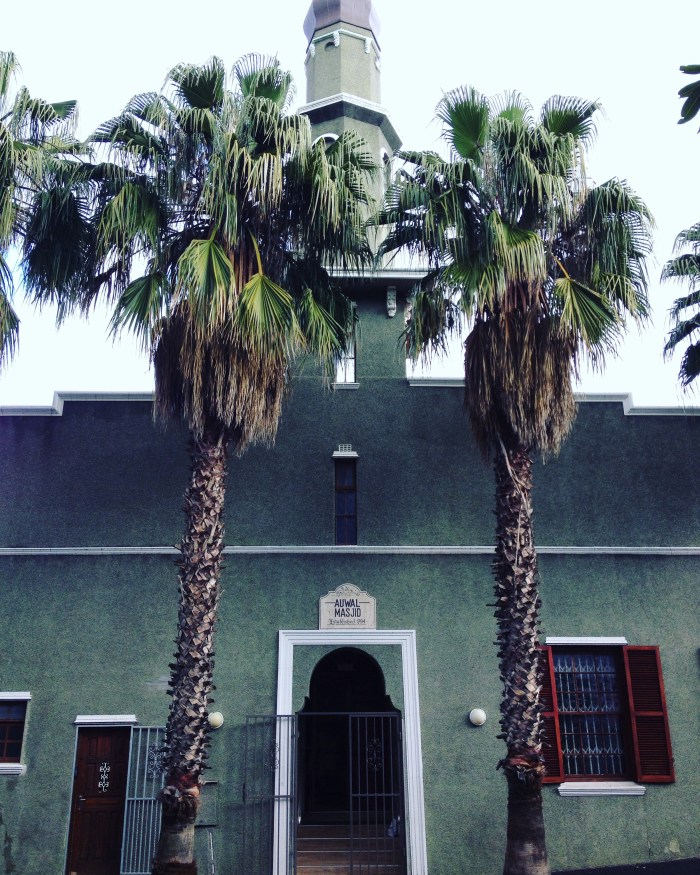
The Bo Kaap is home to some important historical landmarks. The Bo Kaap Museum is the oldest house in Bo Kaap, dating back to the 1760s, still in its original construction. The museum is small but definitely worth a visit. There is a room dedicated to the history of the area. In another room one can watch a short documentary film featuring Bo Kaap Malay residents talking about the history of the area, their experiences of living here and their feelings on how the area is changing. The nearby Auwal Masjid is the oldest mosque in the Southern Hemisphere established in 1794.

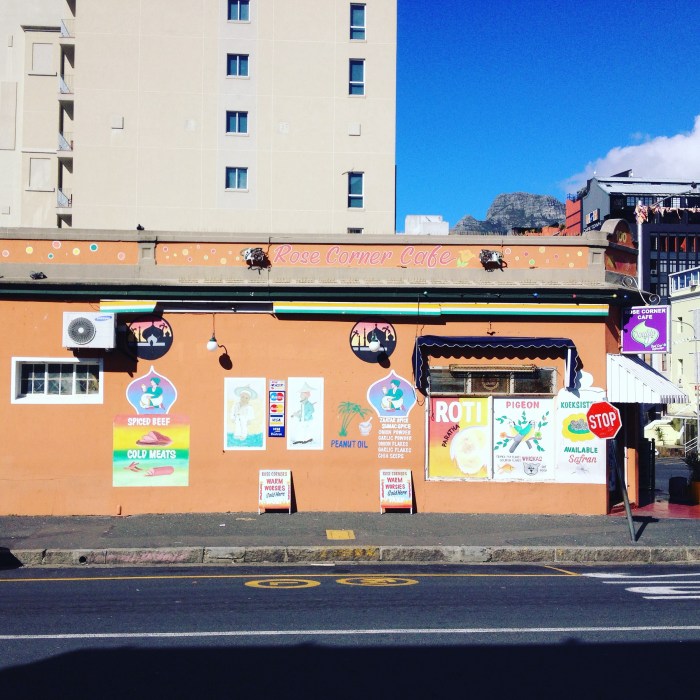
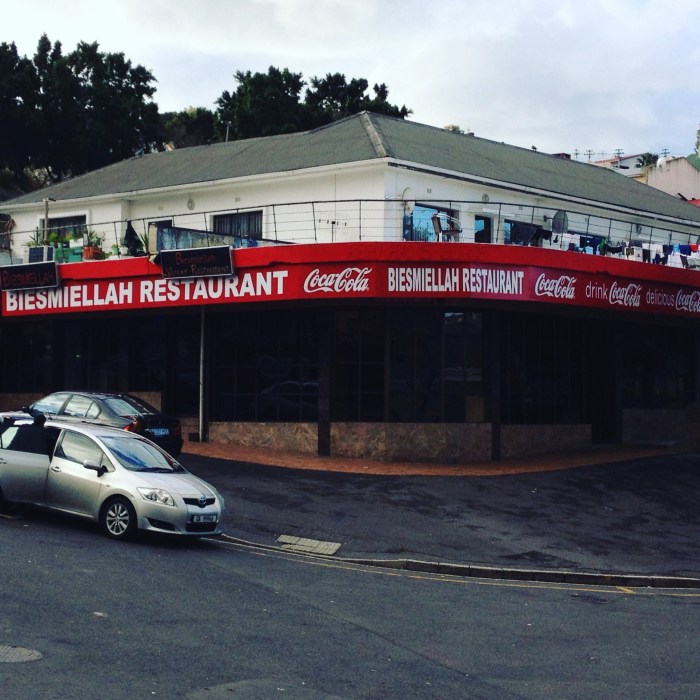
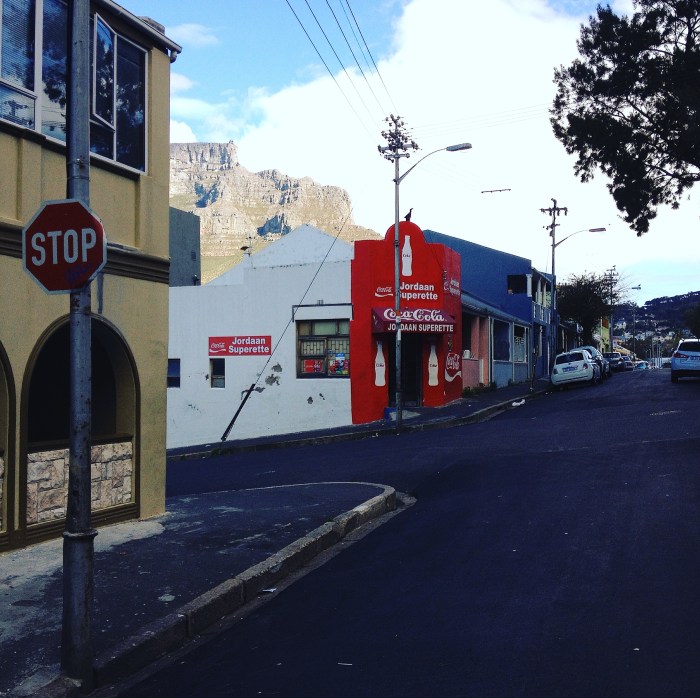
If you want to sample some delicious Cape Malay cuisine, Biesmiellah restaurant serves excellent and authentic Malay dishes. The bobotie and prawn curry are very good. Directly adjacent to the restaurant, there is a cheap takeaway place which sells mutton curries and also small snacks like samosas and chilli bites. The Rose Corner cafe is the place to go to buy spices if you want to have a go at making some traditional Cape Malay dishes. The small corner shop called Jordaan Superette close to where I was staying on Jordaan Street sells delicious homemade chocolate biscuits.

In the past few years prices for property in Bo Kaap have been increasing at an unprecedented rate and many of the original Malay families who’ve been living in their houses for generations have been tempted to sell up. Yet many defiantly are staying put not swayed by the increase in value of their homes. On a sunny Sunday afternoon (or any other time of day) you will see local families relaxing by their front yards. If you are in the neighbourhood, a simple ‘salaam alaykum’ greeting goes a long way.

Cape Town Free Walking Tours, located on Green Market Square in central Cape Town, does free walking tours 2-3 times daily and is a fantastic way to get to know the area and it’s interesting history.

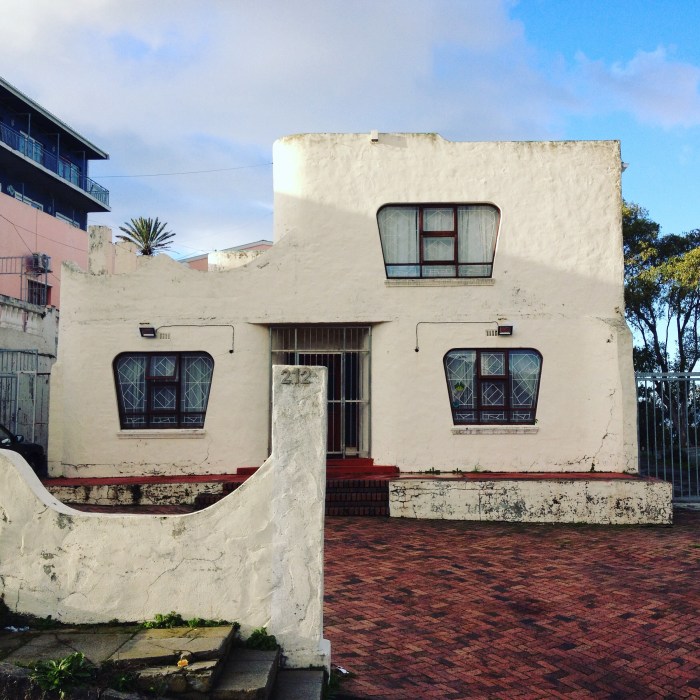
During my time in Cape Town, I stayed for close to a week in one of the Bo Kaap houses located on Jordaan street. From there I went for several strolls through the neighbourhood and the result is the many photographs (I hope not too many) I took, which I am featuring below.


by Nicholas Peart

6th August 2016

(All rights reserved)


image

The heart of Bo Kaap


image

The heart of Bo Kaap


image

The heart of Bo Kaap


image

Georgian style houses


image

The Bo Kaap museum and the oldest house in Bo Kaap


image

Inside the Bo Kaap museum 

 
image

The Auwal Masjid: the oldest mosque in the southern hemisphere established in 1794


image

Keeping up with the Finklesteins


image

Your’s truly


image

Rose Corner Cafe – sells great spices and other Maley culinary delights


image


image


image


image

Biesmiellah Restaurant: excellent Malay Cuisine. Try the bobootie or prawn curry


image


image

My neighbourhood on Jordaan street


image

My temporary residence


image


image


image


image

Nurul Islam mosque


image


image

Visiting Qunu, Nelson Mandela’s Home Village

Last week I embarked on a road trip from Plettenberg Bay to Durban. Along the way I covered all of the Eastern Cape breaking the journey in Grahamstown, the Transkei and Kokstad on the border between KwaZulu Natal and the Eastern Cape.

Driving through much of the Eastern Cape, especially the Transkei region, I am reminded of the vast sertão of northern Brazil; a very poor region, which many families leave and make the long journey south to São Paulo. Likewise, many Xhosa families leave their traditional homelands in the Eastern Cape for the big cities like Cape Town and Johannesburg. The Cape Flats in Cape Town are where many reside.


image

The Transkei


As I drive east of Grahamstown, I pass through King William Town. My preconceptions before arriving were of a town similar to Grahamstown with Victorian architecture. What I stumbled on was more like a slice of the wrong side of LA. There is nothing remotely ‘kingly’ about it. Ol’ Dirty Bastard Town would make a more fitting name. I lock all my car doors and keep driving. As I leave the N2 and head on the R63 there are directions for towns like Fort Beaufort and Alice. Those towns are historically significant since they are where Nelson Mandela received his further education. Driving on the stretch of the R63 between the towns of Bisho and Komga you drive through the heart of the Eastern Cape. Small houses of many different colours, like postage stamps from a distance, dot the landscape. Connecting back on the N2, I notice that the landscape has changed and I am now in the Wild Coast region. A long truck carrying big slabs of rectangular gray bricks is forever in my way and I can’t go more than 40km/h. At one point I seize my chance and rev my little Polo Vivo to kingdom come. I make it by a whisker and consider myself very lucky. I am now a mess of adrenaline. I also notice that the sun is going down and consider stopping somewhere to break the journey. My aim is to be close to Qunu, so in the morning I can go there early. I pass through the town of Butterworth; a mess of a place a la King William Town. I don’t feel very comfortable stopping here but the directions to a hotel lift my spirits. When I arrive at the hotel I feel like I’ve just landed in the middle of the Bronx and duly resume my journey on the N2. The next town Dutywa is not much different but on a quiet side street I find a relatively appealing guesthouse called Kowethu B&B run by a kind elderly Xhosa lady. Alas I am too late for dinner (which must be requested in advance) and my only feasible option is KFC in town. My heart goes out to all the vegetarian and vegan travellers in my shoes.


image

Mveso – the place where Mandela was born


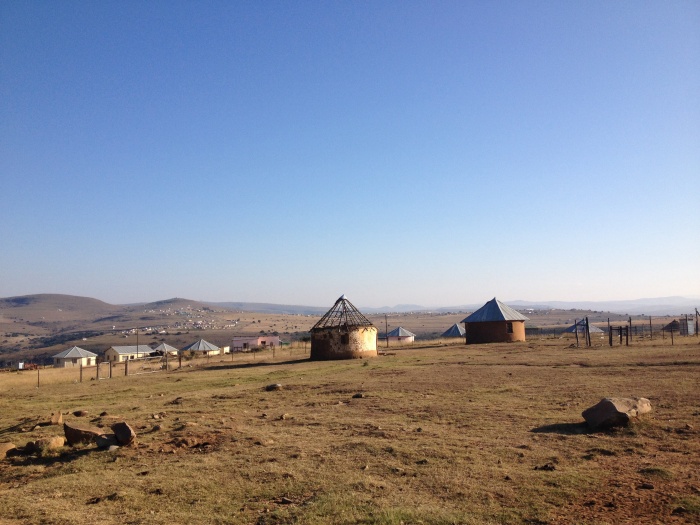
On the way to Qunu, I exit the highway and drive along a newly paved road towards Mveso. This is the place where Mandela was born on 18 July 1918. His father was appointed the chief of Mveso by the king of the Thembu tribe. However following a dispute with the local white magistrate, he lost his chieftainship status as well as the majority of his land, cattle and money. The family subsequently moved to the nearby village of Qunu. On the road to Mveso, I get my first real taste of the Transkei heartland away from the N2. This is real Xhosaland. Several traditional Xhosa huts populate the landscape. The dusty, semi-arid, windswept terrain here is the opposite of the fertile lush Garden Route. This is no Wilderness or Tsitsikamma. I keep on driving until the paved part of the road morphs into a jagged and uneven dirt one. I drive a little further before turning back towards the N2.


image

Outside the Nelson Mandela Museum in the village of Qunu where he grew up


At the Nelson Mandela museum in Qunu I am greeted by my tour guide, Zim, who guides me around. Within the complex there are a few rooms with info and photos chronicling his life. From the museum complex you have a spectacular vista over Qunu and the vast veld where Nelson played as a child. These abundant fields were an important part of his early development as he says in his own words;

In the fields I learnt how to knock birds out of the sky with a slingshot, to gather wild honey and fruits and edible roots, to drink warm, sweet milk straight from the udder of a cow, to swim in the clear cold streams and to catch fish with twine and sharpened bits of wire… I learned to stick-fight  –  essential knowledge for a rural African boy. From these days I date my love of the veld, of open spaces, the simple beauties of nature, the clean line of the horizon.

When I read those words I think of the San people; the original people of Southern Africa who had a very deep and special connection with nature.

His other name Madiba comes from the Madiba clan in Xhosa society, named after a Thembu chief who ruled over the Transkei region in the eighteenth century. Nelson is frequently referred to by his clan name, Madiba, as a sign of respect. His actual first name given to him at birth by his father is Rolihlahla which in Xhosa literally translates as ‘pulling the branch of a tree’ and colloquially means ‘troublemaker’.


image

The fields of Qunu in the background where Nelson played as a child


Right next to the museum is the first school he attended, the Qunu Junior Secondary School. It was here on his first day of school that his teacher Miss Mdingane gave him his more familiar Christian name Nelson. A crowd of children are gathered outside. Despite its historical significance, it is a very modest school and from the outside the classrooms seem quite basic.


image

His local school where he received his name Nelson on his first day


Afterwards I drive to his home, where he spent the remaining years of his life since being released from prison in 1990, located directly off the N2. At the gates I am greeted by a young man who works on the grounds of the estate. I am told that I cannot enter. Nelson’s grave is located within the grounds and that too is out of bounds to the general public. Sadly much of the surviving Mandela family is trapped in an ugly car crash like mess of never ending feuds; a very sad state of affairs and poor old Nelson must be spinning in his grave or maybe he just doesn’t care; his nature being of someone who avoids this toxicity.


image

The front gates to the house where Mandela lived the remaining years of his life since being released from prison in 1990


A group of Zulu visitors arrive at the estate just moments after me. They too get rebuffed. No luck then for any of us. The Nelson Mandela Museum in nearby Mthatha is currently closed for refurbishment. I have little to no desire to pause in Mthatha. After the non stop assault of King William Town, Komga, Butterworth and Dutywa, I just want to press on to Natal.


by Nicholas Peart

14th June 2016

(all rights reserved)