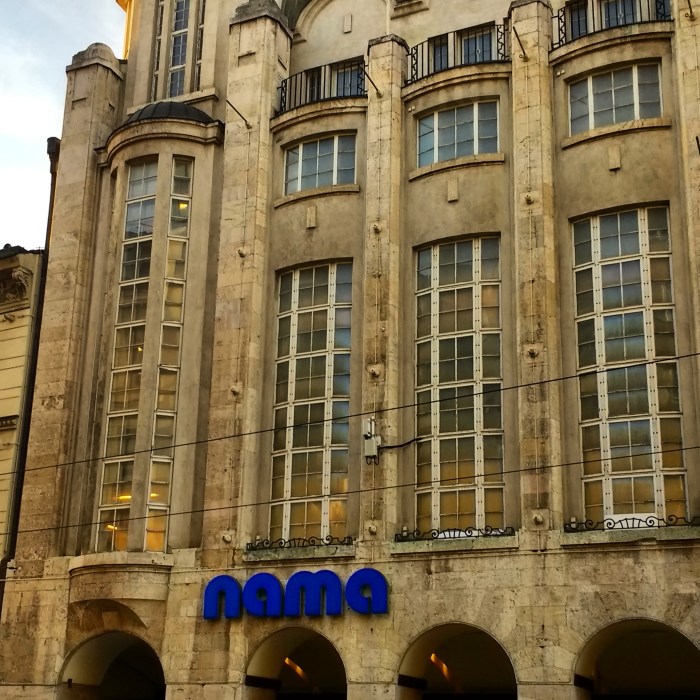
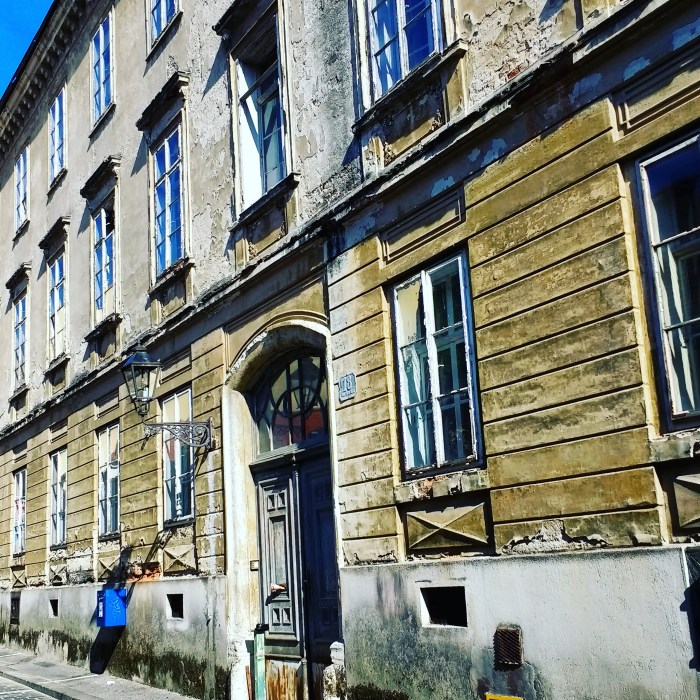
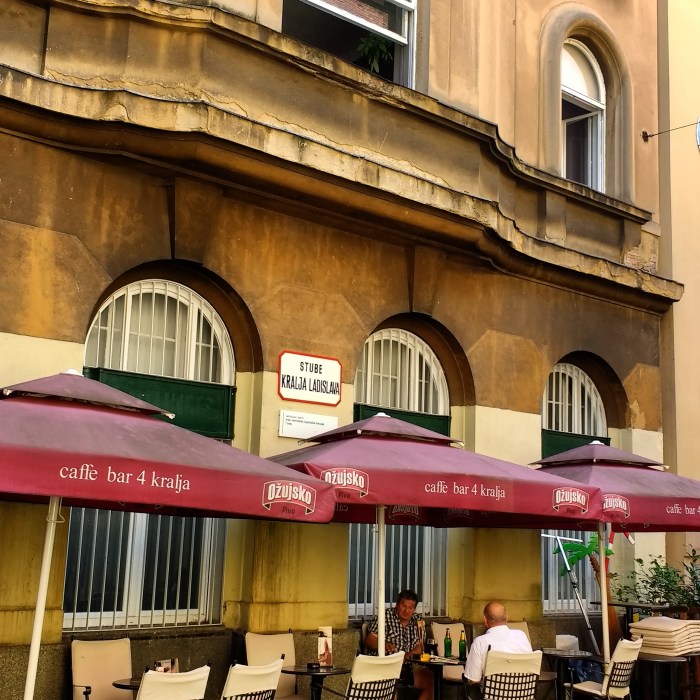
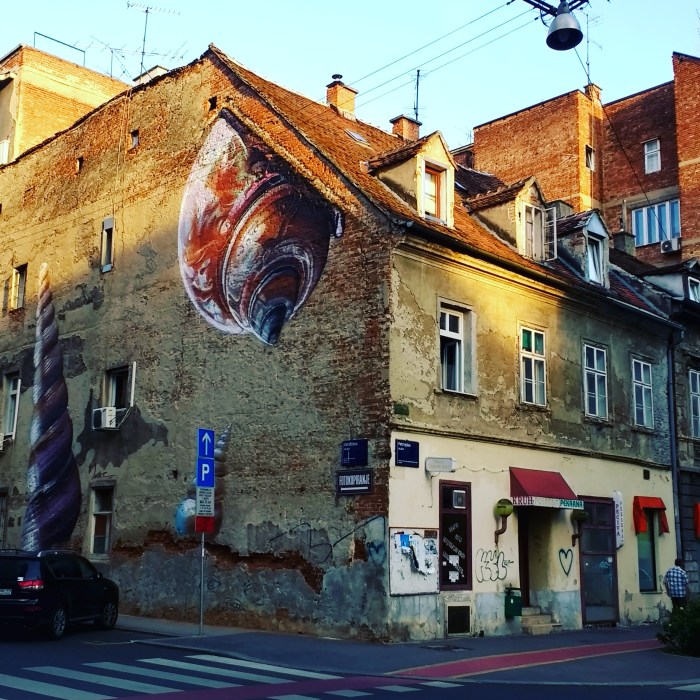
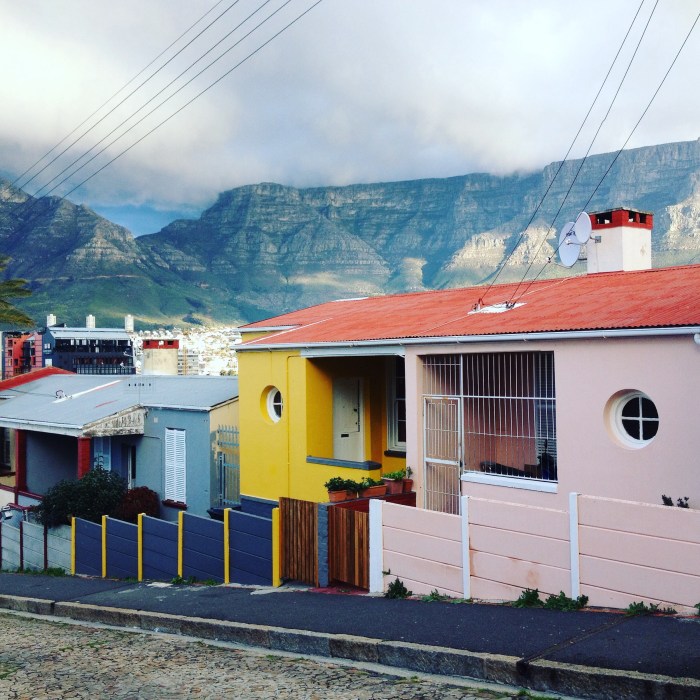
Architecture and Design Photographs From The Streets Of Zagreb

My favourite thing to do in any city I visit is to simply walk it’s streets both within and outside of the city centre. There are, of course, specific sites to see and an overload of information on the internet regarding all the things there are to do. But nothing beats putting the guidebook away, turning off the wi-fi on the smartphone, and just getting lost randomly walking around a city. With this mind sight and limitless doses of curiosity and imagination one is bound to bump into unexpected and spontaneous treats.

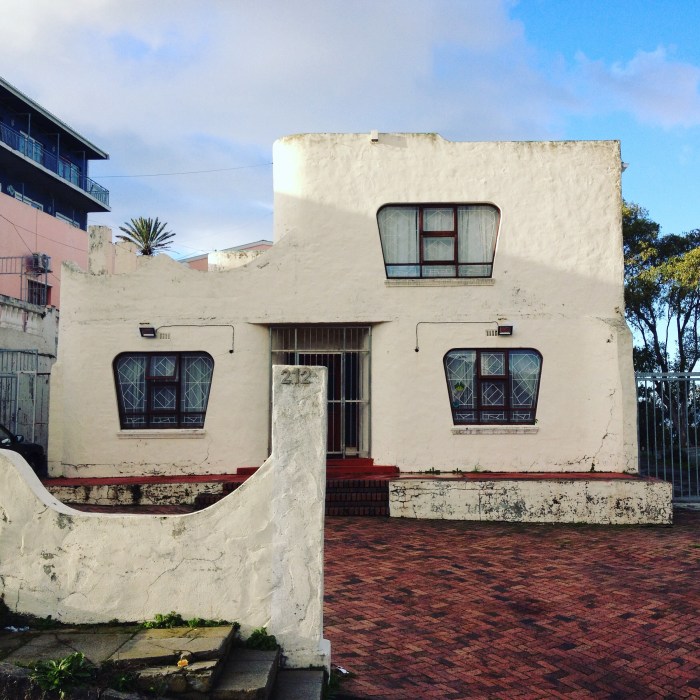
Zagreb, the capital of Croatia, has been a very generous city to me. The architecture and designs of the city’s buildings are a glorious mess of luxurious and elegant Austro-Hungarian empire grandeur and sophisticated Art Nouveau to Bauhaus and more austere Brutalism. Some buildings, especially in the city centre, have been renovated and look pristine and beautified whereas other buildings, many outside the centre, look more neglected and derelict.

IMG_20170818_002754_441

IMG_20170818_003844_440

IMG_20170818_002443_027

IMG_20170818_001503_593

IMG_20170818_000456_739

IMG_20170818_000219_203

IMG_20170818_001646_910

IMG_20170818_001312_877

IMG_20170818_004753_843

IMG_20170818_001824_910

IMG_20170818_000713_187

IMG_20170820_120821_178

IMG_20170820_121103_149

IMG_20170820_114914_998

IMG_20170818_001958_604

IMG_20170818_084905_543

IMG_20170820_114601_824

IMG_20170820_114731_896

IMG_20170820_114432_892

IMG_20170820_115439_636

IMG_20170820_115231_245


Photographs and text by Nicholas Peart

©️All Rights Reserved

Greetings From Delhi

dscn7101

Back in Delhi

Last Monday night, I flew from London Heathrow to Delhi via Jet Airways. I took a random punt on this airline and it was a pretty lackluster experience. The aircraft was quite old and backdated. I had an aisle seat in the middle aisle row of seats. The two seats of the four in the middle were vacant. On the other end of my row was an old Sikh who got very drunk and disorderly and later incurred the wrath of the airline staff who refused to serve him more whisky. There sadly was nothing entertaining, charming or witty about him and he was a constant pain and drone for most of the flight. I spent the majority of my flight either taking advantage of the in-flight entertainment system or listening to my iPod.

Delhi was just as I had envisaged it to be when the plane landed at Delhi airport. The entire landscape from the runway was blurred by thick blinding smog. As everybody began to disembark from the plane, I realized that I couldn’t find my navy blue retro cotton scarf. Amongst the mess of used airline blankets and headphones, I couldn’t see it. I again looked in my bag. No luck. I broached this to the airline staff but it was a futile quest. Ah fuck it, I concluded. Lets get out of here.

I waited over an hour just to change £30 into Indian Rupees at the Thomas Cook bureau de change at Delhi airport. The recent demonetization events in the country involving the sudden withdrawal of all R500 and R1000 notes, representing over 80% of the country’s money supply, compounded with the tough restrictions on how much money one could withdraw or exchange meant that one was by law not supposed to exchange more than R5000 a week. I was with a group of other fellow travelers including a group of Peruvian tourists who’d just flown in from Hyderabad and they were equally dejected by the whole thing.

I decided to take the modern metro airport express direct to New Delhi station instead of haggling with a cab driver. At the entrance to the station there was a security check with austere Indian police in charge. The express train blazed through vacant and baron swathes of outer Delhi. The heavy smog made all the surrounding scenery translucent and vague. Many trees were either dead, dying or suffocating by the smog, pleading desperately with the gods in vain for rain. They would have to wait until at least June next year. At the top of the smogged skyline was the sun, heavily veiled to resemble one of those glowing white coated energy saving lightbulbs rather than a piercing brilliant white hot glow. People had to have lungs of steel to live in this city.

Arriving at and exiting New Delhi metro station gave me my first official taste of India since the last time I arrived here almost 10 years ago. All the famed filth and fury slowly began to unravel and reveal itself to me. As I made my way towards the entrance of the main bazaar thoroughfare of the legendary tourist ghetto of the Paharganj district via the hectic and high pressure New Delhi Railway station, I bump into two long-term travelling backpackers. Both look like they’ve allowed India to get under their skin and truly connect and flow with the rhythms and current of this fascinating, multi-faceted, mind blowing, full power wild soup. Peter is from Germany and his partner Olga is from Russia. They both met in Rishikesh. Peter had in fact traveled to India by bicycle from Germany. In Iran he was involved in a road accident and this delayed his trip as he recovered in a Tehran hospital.

dscn7054

The Paharganj district of Delhi

We all walk together through the mess of the main Paharganj bazaar as Peter tries to find a Post Office and I try to find the Hotel Vivek. Not much has changed along this main thoroughfare of mayhem since I last graced this road as a fresh faced 23 year old backpacker. Back then I foolishly didn’t book accommodation for my first night. Furthermore, I got overcharged by my taxi driver from the airport with hardly any past travel experience under my belt. I had thrown myself in the proverbial deep end. Arriving in the Paharganj all those years ago was like arriving in the middle of some bombed out extra-terrestrial mess on another planet in another galaxy. I was always getting harassed by unsavory touts and constantly trying to avoid being hit by a passing motorbike or rickshaw. I carried my heavy backpack with no reservation, not knowing which hotels to enter or avoid. I remember settling on a veritable fleabag of a place which had these soulless dirty busted rooms for around the R200 mark a night. My current room at the Vivek is no great shakes and the mattress is pancake-thin but this is like the Best Western compared to that place. Before I check into the Vivek, I say goodbye to Peter and Olga. Perhaps I’ll bump into them next at a temple somewhere in Sri Lanka? Who knows.

dscn7052

Back in the Paharganj after an almost 10 year absence 

Instead of going to bed, I dump my things in my room and re-enter the Main Bazaar. I walk back towards New Delhi station and onward towards Connaught Place. It is here where I discover a marvelous open air secondhand book stall. Mountains of books are piled on top of each other like mini towers of Babel. By now I find myself feeling the undesirable effects of Delhi’s air pollution. Its not only my mouth which feels like one great field of ash and dust. My eyes are stinging like I am walking through clouds of sulfuric acid. I need a bottle of water sharpish and some vitamin C tablets to phase out the carcinogenic mess of free radicals manifesting inside of me. What I’d give for an incubator of premium quality South Pacific air!
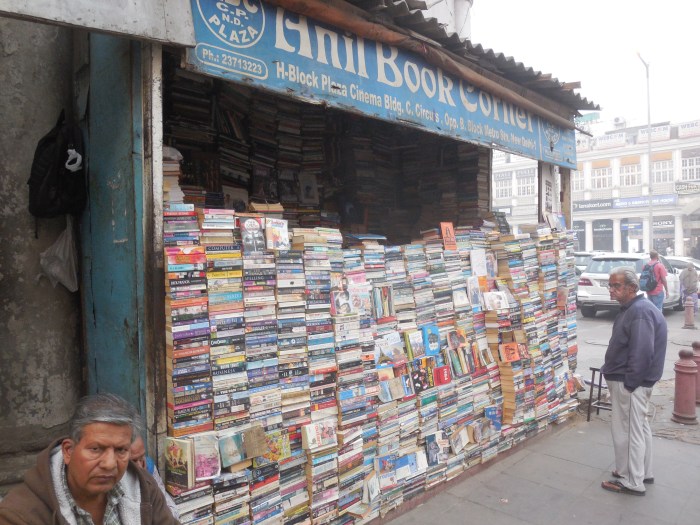
dscn7059

A great secondhand bookstall by Connaught Place 

As I trudge around Connaught Place, the sun has already gone down. There are impossibly long lines of people outside every functioning ATM hoping to withdraw some limited Rupees. It doesn’t matter that the current daily limit has recently been increased from R2000 to R2500, I can see more chance of pigs flying than achieving a successful and hassle-free ATM withdrawal. Yet I fortunately have another option for getting cash in the form of my scarce supply of hard currency. I genuinely feel sorry for the locals who have been affected by this.
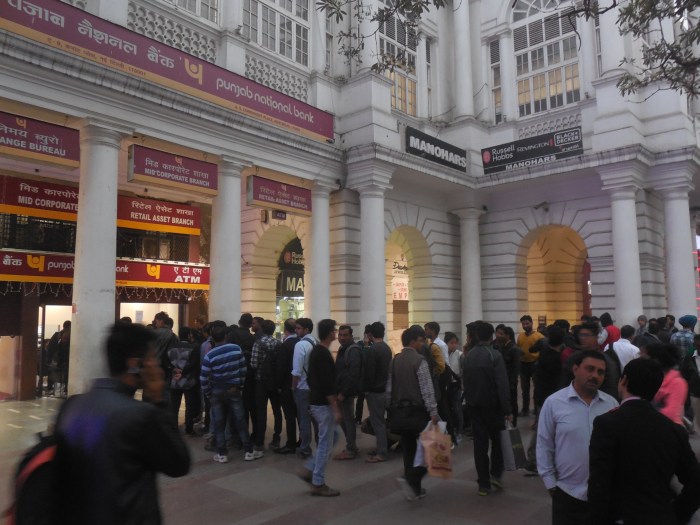
dscn7060

People queuing up outside an ATM in Connaught Place hoping to withdraw some scarce Rupees 

I look for a street vendor selling bottled water. I find one offering me R20 for a liter bottle. He even says that he has change for a R2000 note as he palms me nineteen R100 notes along with the rest of my change. I am extremely grateful to him. For the most part, carrying around one of the recently issued R2000 notes is like carrying around a King Cobra. I can’t take it everywhere.

I chat to some random locals in Connaught Place. The people I speak to genuinely want to chat and the conversations never turn to money. For dinner I pay a visit to Hotel Saravana Bhavan for some delicious South Indian food. There are already people waiting outside with their names on the waiting list. I sign myself up and wait around 20 minutes before I am allocated a seat. I am seated opposite a middle aged Delhiite. When the time comes to order I go for the Thali Special. All this glorious food hits the spot. Afterwards I take a rickshaw back to my hotel to rejuvenate.

dscn7063

Outside Hotel Saravana Bhavan


dscn7064

The Thali Special at Hotel Saravana Bhavan

The next day I wake up at 11am after over 12 hours of sleep. I exit the hotel just before noon. A secondhand book shop catches my eye in the Paharganj. The owner even has another larger shop around the back bursting with books. I conclude that this must be the best stocked book shop at least here in the Paharganj. I purchase a secondhand copy of a book of teachings by the great Indian sage Ramana Maharshi.

For me the heart and soul of Delhi is its old city around the high pressure Chandhi Chowk. I took a metro train over there. It is a monumental sight, like nothing I’d ever experienced before. When I was last here, it was a mind-blowing and overwhelming experience. As soon as I exit Chandhi Chowk metro station, a bicycle rickshaw driver decides to stick himself to me like glue. He becomes a magnificent liability. On the other hand, I wouldn’t want it any other way. I’ve missed this chaos. I finally manage to break free of him by very diligently crossing the carnage of Chandi Chowk traffic where there is something resembling a pavement on the other side. I spot a peanut wallah and purchase a small bag for 10 Rupees.

dscn7070

Chandhi Chowk

At the end of the main Chandhi Chowk thoroughfare is the monumental Red Fort. This exotic clay-red juggernaut of a fort was constructed during the height of the Mughal period. I enter the outside grounds but I do not go inside as I’d already visited the fort during my last trip to Delhi. Soon I get chatting with an affable local named Satish and we have our photo taken together by the entrance.

dscn7073

In Chandhi Chowk


dscn7076

With Satish outside the Red Fort

Chandi Chowk may be hectic but for an even more glorious, full powered and disheveled experience, nothing beats the labyrinth of bazaars, streets and hidden alleyways around the nearby Jama Masjid, India’s largest mosque.

dscn7078

Old Delhi street scene 

Like the Red Fort (and the Taj Mahaj in Agra), it was designed by Shah Jahan, a famous Mughal emperor whose reign was often said to be the golden age of Mughal architecture.

dscn7088

The magnificent Jama Masjid

The streets and bazaars around this jewel of a mosque are special to me. We may be living in the digital age, but walking these streets I feel very much connected to the past lives, energy and spirits of this part of the city. This is ancient Delhi at its finest.

dscn7099

One of the streets surrounding the Jama Masjid

One particular memory of this area which never escapes me are the reams and reams of black electricity wires tangled and coiled like snakes everywhere and hanging by the most fragile of threads. Seeing these wires so naked and exposed is like seeing my body with much of my skin removed and all my arteries transporting blood around my body for all to see; I am still alive and going but mess around or damage them in any shape or form, and it’s curtains.

dscn7098

Notice the mess of electricity wires

I spend a long time sat down on the steps at the top of the Jama Masjid watching this fascinating maze of life. I simply observe it and don’t attempt to make any sense of it. I am so happy to be here and the longer I sit here watching it all unfold in front of my eyes, is the moment I know that I am truly in India. It’s marvelous to be back.


By Nicholas Peart

12th December 2016

(All rights reserved)

Photographs from Liverpool’s Chinatown

image


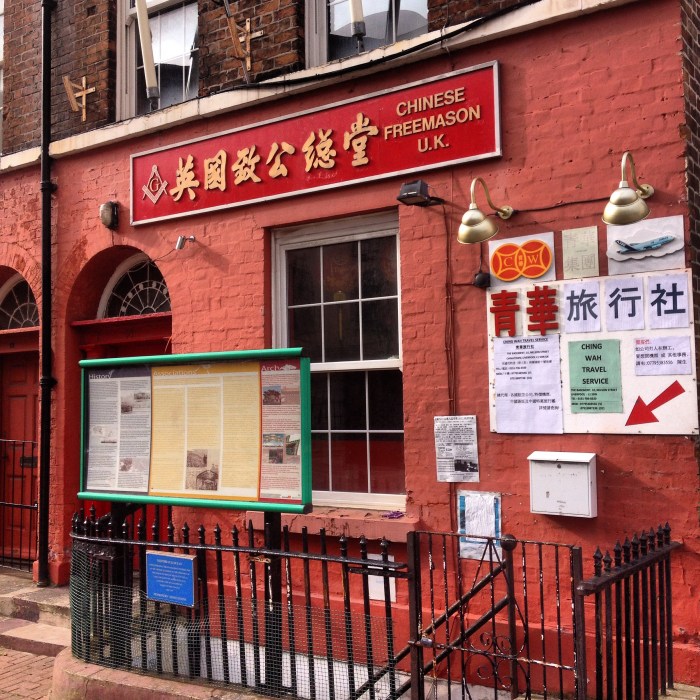
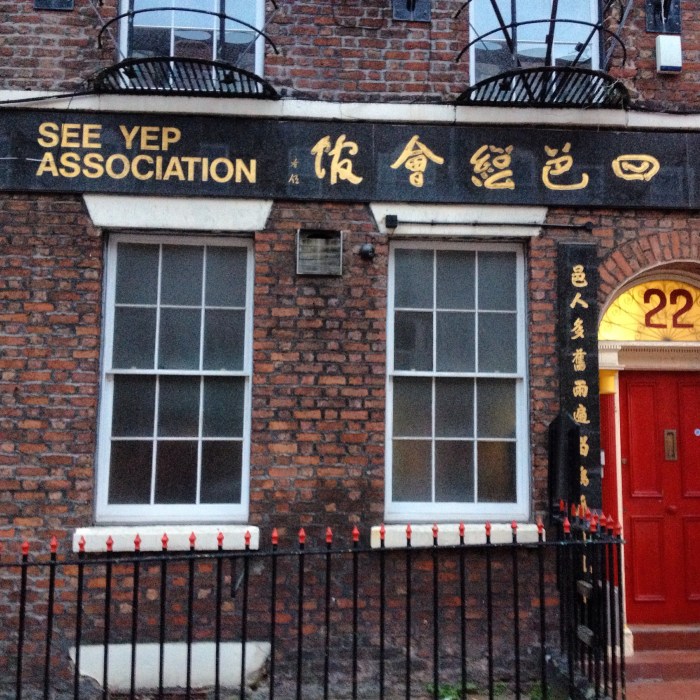
The Chinatown quarter of Liverpool has a very interesting history. It has the unique distinction of being the oldest Chinatown in Europe. During the 19th century when Liverpool was a thriving and increasingly prosperous port city through the booming shipping industry, and when Britain was an enormous colonial power, it was trading with most of the world.

The seeds of Liverpool’s link with China go back to 1834 when the first ship from China arrived in Liverpool to trade products such as cotton wool and silk. Yet it wasn’t until the creation of the Blue Funnel Shipping line in the 1860s by Alfred Holt and Company, which employed many Chinese seamen, when the first real migration of Chinese to Liverpool began. This shipping line established robust trade ties between the cities of Liverpool, Shanghai and Hong Kong.

The Chinese seamen who stayed on in Liverpool settled by the docks on and around Cleveland Square, where the Holt Shipping Company built boarding houses for them. This was the beginning of the original Chinatown in Liverpool. Around the 1890s, some of the Chinese settlers set up their own businesses mainly for the sailors who worked on the Holt shipping lines.

When the First World War broke out in 1914, there were around 6000 Chinese seamen in the British Merchant Navy with a quarter of them in Liverpool. Much of the original Chinatown around Cleveland Square was destroyed during the Second World War. Liverpool was already by then a city in economic decline.

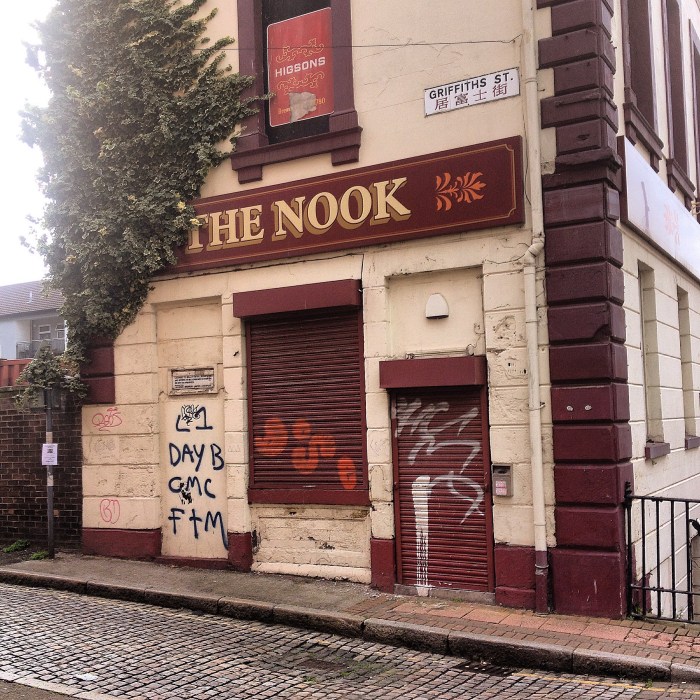
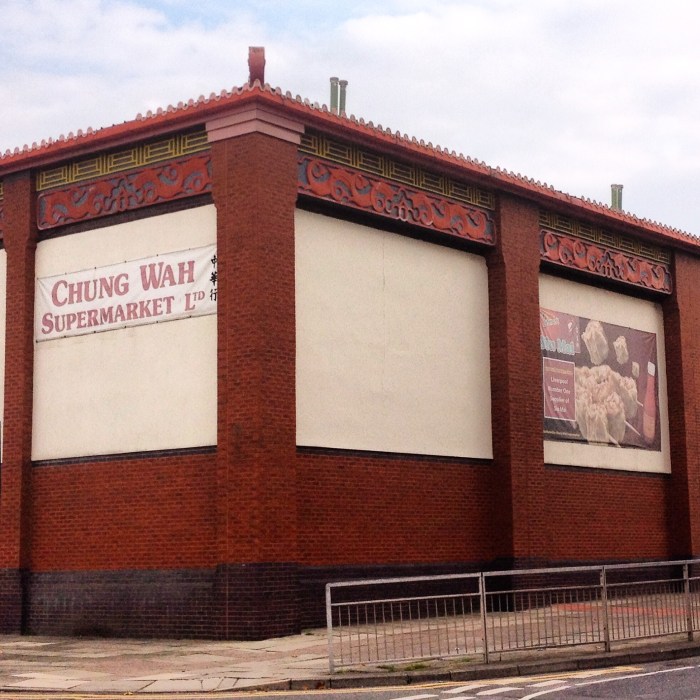
The Chinatown one sees today in Liverpool was only established in the 1970s on Nelson Street as its official street, although it extends along Berry Street up to where the bombed out church, St Luke’s, is located. On these two streets and some surrounding streets are a plethora of Chinese restaurants and some supermarkets such as Chung Wah and Hondo. The imposing and ornate Chinatown Arch at the beginning of Nelson Street was officially opened in the year 2000 on Chinese New Year. The arch was constructed from an estimated 2000 block components manufactured by the Shanghai Linyi Garden Company Ltd and shipped over to Liverpool from Shanghai along with twenty specially selected Shanghai craftsmen to build the arch.


Text and Images by Nicholas Peart 

19th October 2016

(All rights reserved)


image


image


image


image


image


image


image


image


image


image


image


Photographs from The Barras

img_0368

The Barras*

The Barras is a popular weekend market in Glasgow in Scotland and the biggest in the city. It is located in the East End district and right by the famous Barrowlands concert venue where many well known bands and singers have played.

The genesis of the market goes back to the early 20th century where traders would be selling their products from handcarts (‘barras’).

Many different types of items can be found here. It is a great place to hunt for bargains. You may get lucky and find a rare vinyl record for a few coins or a scarce out of print book or perfectly fitting tweed jacket in excellent condition for a fraction of its real value.

Most of all, it is the atmosphere and energy here which is the main draw for me. If I find something I really like for a good price, that is a bonus.

After the market, head down to the nearby Saracen’s Head pub (or ‘Sarie’s Head’) for a Tenants and (if you are feeling a brave) a Buckfast tonic wine.


image

image

image

image

image

image

image

image

image

image

image

image

image

image

image

image


Text and Images by Nicholas Peart

18th October 2016

(All rights reserved)

*Image source: yelp.com

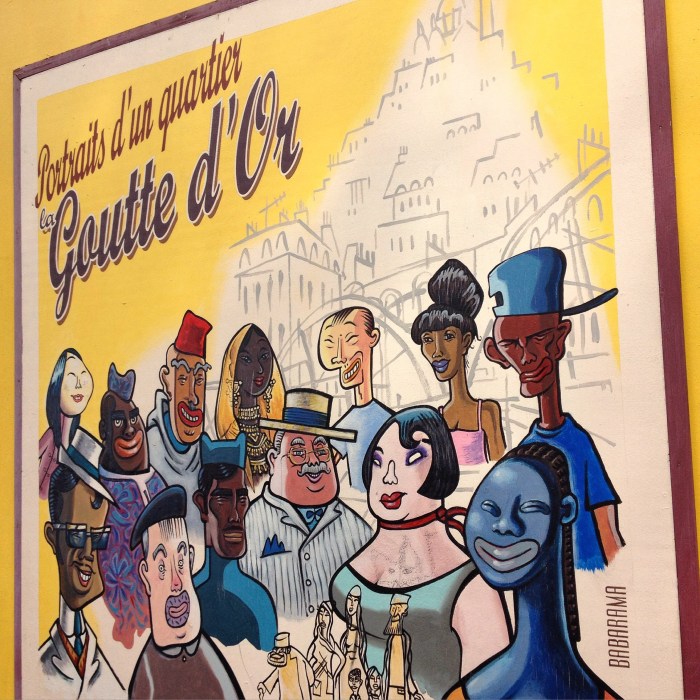
Photographs from La Goutte d’Or

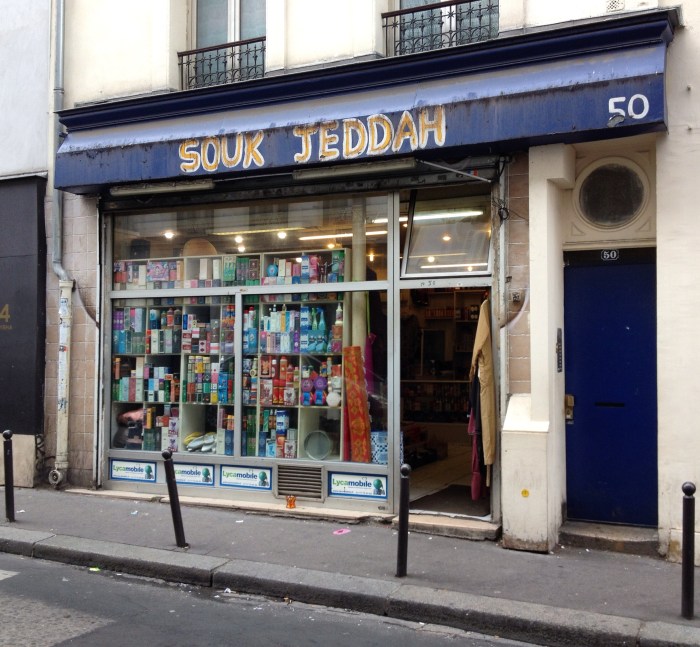
La Goutte d’Or is a district in Paris and a raw and vibrant slice of this city. The vast majority of its population is made up of people from the former French colonies most notably North African countries such as Morocco and Algeria and West and Central African countries such as Senegal, Mali, Burkina Faso and the Congo.

This is a very interesting part of the city to explore, especially if you’ve already experienced many of Paris’s more obvious highlights such as the Eifel Tower, the Louvre, the Champs Élysées etc.

For bearings one could carve up the district as being the triangle with its points the metro stations Barbés Rochechouart, La Chapelle and Château Rouge.

The Rue Goutte d’Or has a couple of good and traditional North African restaurants to eat at. I particularly recommend an establishment called Agad’Or, which serves a substantial portion of Couscous Maison (daily homemade couscous with a soupy vegetable stew with chicken or meat and a medium baguette) for only six euros. Opposite Agad’Or there’s a cheap little boulangerie/patisserie where you can pick up a generous pan au raisin for only a euro. The Rue Goutte d’Or is in many ways the heart of the North African community. The first wave of North Africans arrived at the beginning of the 20th century and a more substantial wave of North African immigrants arrived here in the 1950s (during this time countries such as Morocco and Algeria were French colonies) mainly to work in the automobile industry.

Turning left up ascending Rue Polonceau, on your right there is a hole in the wall Congolese restaurant. I know almost next to nothing about the DRC or the traditional cuisine from that part of the world. Yet I was curious and intrigued. Maybe another time I’ll take a punt on it.

A little further up Rue Polonceau on your right is Rue St Luc which will take you towards the large church St Bernard de la Chapelle. On 23rd August 1996, the church hit international headlines when around 300 undocumented immigrants who had taken refuge at the church (including a few who went on hunger strikes) over a long period of time were expelled by force by the police.

On the corner of Rue St Luc and Rue Cavé, I stumble across a corner art gallery/work space which is currently showing a small but intresting exhibition on the history of public graffiti art in the streets of Paris beginning with the legendary early 1980s French graffiti artist Blek Le Rat who became an enormous influence on later more well known graffiti artists such as Banksy.

On Rue Cavé, there is a lovely lush garden representing an oasis of Eden like tranquility and blissfulness amongst the gritty streets. The street was named after François Cavé, who was a significant figure during France’s industrial development in the 19th century. What’s more, he provided bread to many of the residents of La Goutte d’Or.

If Rue Le Goutte d’Or is the heart of muslim North Africa, Rue Myrha is christian Sub Saharan Africa. Here I spot a small Senegalese hole in the wall eatery called Touba Resto which serves traditional Senegalese dishes daily such as maffe (a delicious peanut based stew), yassa and thieboudienne (the national dish of Senegal consisting of fish, rice and tomato sauce). At no46 Rue Myrha is a small ramshackle shop called Binta which sells herbs, barks and an array of intriguing traditional artisan products from Mali. It is packed to the gills with stuff and I can barely motion my way around especially with my cumbersome rucksack. There are many shops like this including quite a few informal fabric and clothes shops were one can see people sewing and making traditional garments. There is a also a world music shop called Pala Pala Music but unfortunately it was closed.

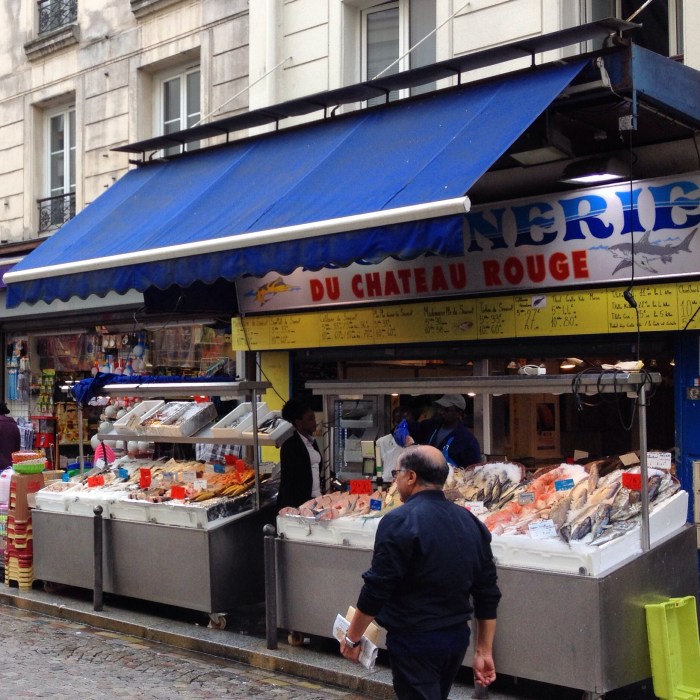
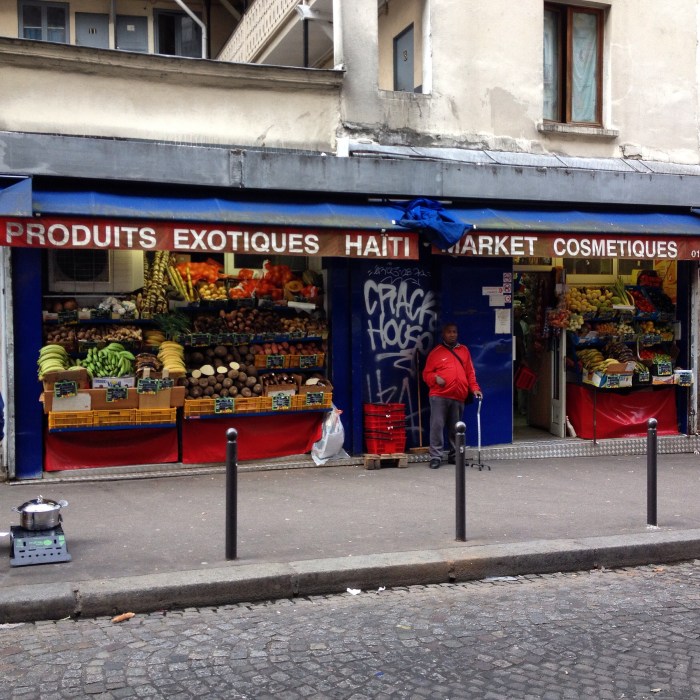
Walking onto the Rue des Poisonniers and the junction with Rue Dejean is the Marché Dejean with fruit and vegetable traders, fish mongers etc. It is a hive of activity. Around here I also see shops and people from other parts of the French speaking world such as Caribbean countries like Haiti and Guadalupe. This is the area around Chateau Rouge metro station. I find this part of Paris really alive and a great place to just watch life go by. I love the history and the infamous cafés of St Germain and the Left Bank (which I’ll be touching upon in another post) yet here is real life warts and all.


Text and images by Nicholas Peart

28th September 2016

(All rights reserved)


image

On the Rue La Goutte d’Or


image

The Moroccan restaurant Agad’Or


image

Couscous Maison at La Goutte d’Or


image

Another North African restaurant also located on Rue La Goutte d’Or


image

Halal butchers on Rue La Goutte d’Or


image

Hole in the wall Congolese restaurant on Rue Polonceau


image

St Bernard de la Chapelle church which police stormed in August 1996 to forcibly remove many undocumented immigrants who for a long time had taken refuge at the church


image


image

A beautiful garden oasis on the Rue Cavé.


image

A Senegalese restaurant on Rue Myrha


image

Pala Pala world music shop


image


image

This shop sells traditional herbs, bark and crafts from Mali


image


image


image

On Rue Dejean in Château Rouge


image

Château Rouge


image

Château Rouge


image

Château Rouge


image


image

Haitian shop in Château Rouge


image

Senegalese and Togo restaurant

Photographs from Bo Kaap

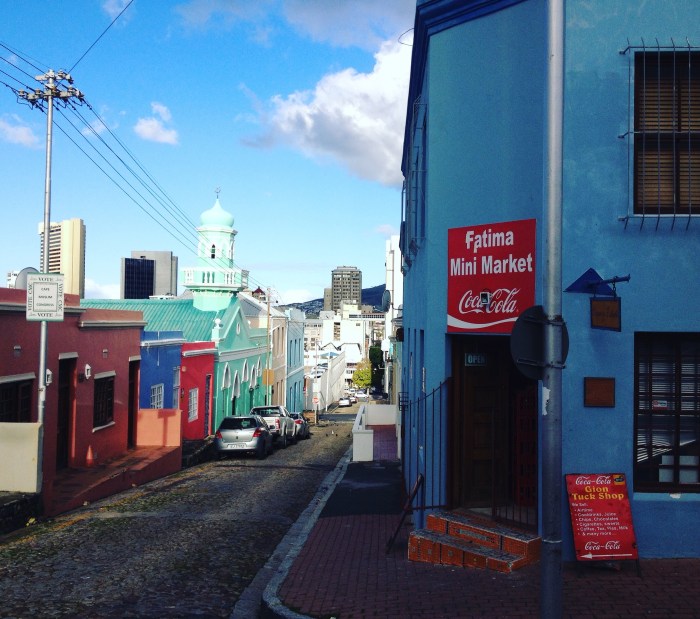
The Bo Kaap district is a fascinating and unique part of Cape Town with an incredibly rich history and culture. It is located on the slopes of Signal Hill, to the west of the city centre. From the top of Bo Kaap on a clear blue day, one is rewarded with an amazing view of the mother city and Table mountain. The first thing that attracts one to this area are its multi coloured period houses, which are a delight to photograph. It’s not uncommon to often see large tour groups and many tourists and travellers with their cameras. I’ve also fallen under its spell.

The residents of Bo Kaap have a very unique, exotic, complex and painful cultural history. When the Dutch first arrived in Cape Town in the 17th century as the Dutch East India company, they brought over slaves from various parts of the world where they had trading posts such as in South and South East Asian countries like Malaysia, Indonesia, India, Sri Lanka and other countries in Africa like Madagascar. These slaves were known as Cape Malays (even if many were not of Malaysian descent) and the residents of Bo Kaap are descendants of these slaves. The takeover of the Cape Colony by the British from the Dutch in 1795 and the subsequent abolition of slavery gave the former Cape Malay slaves a newfound freedom including religious freedom. The Bo Kaap area is predominantly Muslim as can be seen by the mosques in the area and the residents refer to themselves as Cape Muslims.

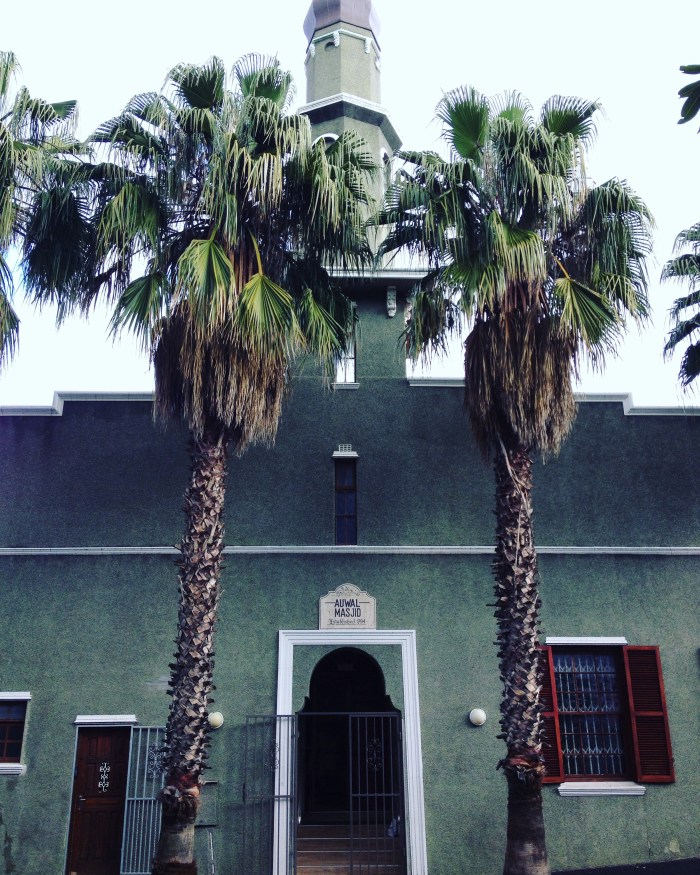
The Bo Kaap is home to some important historical landmarks. The Bo Kaap Museum is the oldest house in Bo Kaap, dating back to the 1760s, still in its original construction. The museum is small but definitely worth a visit. There is a room dedicated to the history of the area. In another room one can watch a short documentary film featuring Bo Kaap Malay residents talking about the history of the area, their experiences of living here and their feelings on how the area is changing. The nearby Auwal Masjid is the oldest mosque in the Southern Hemisphere established in 1794.

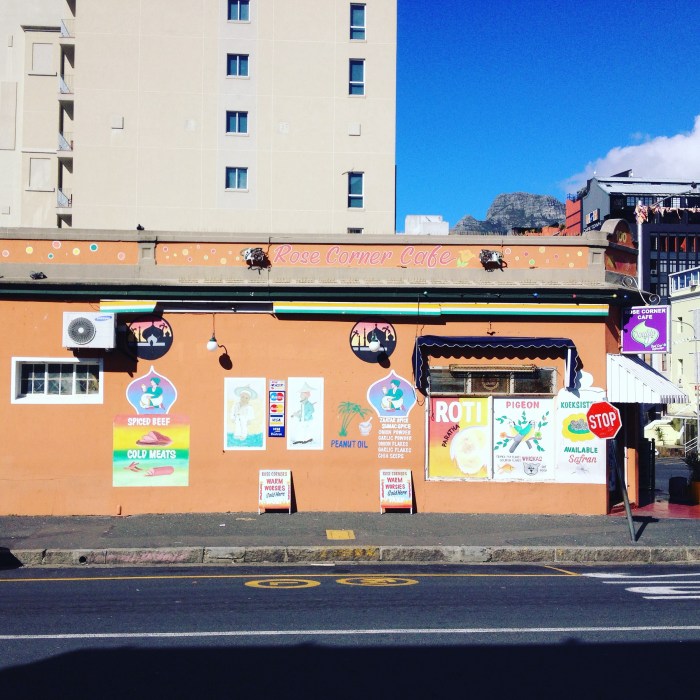
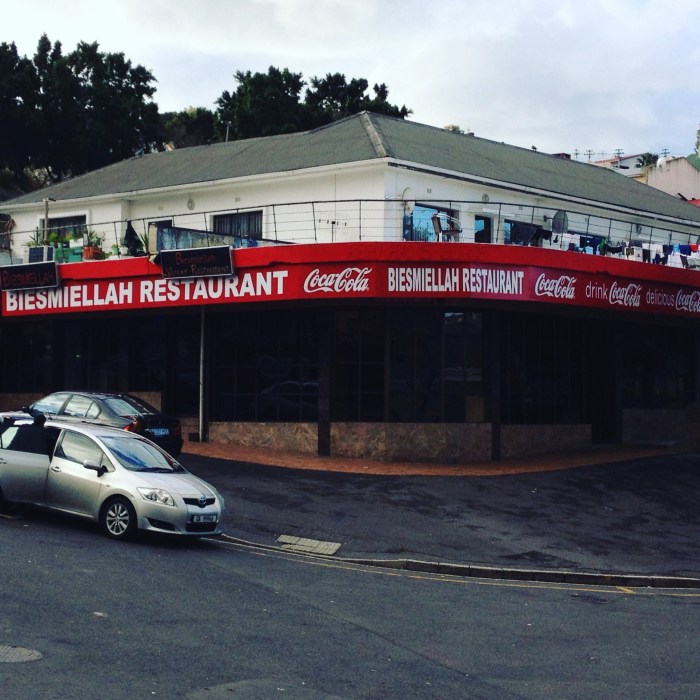
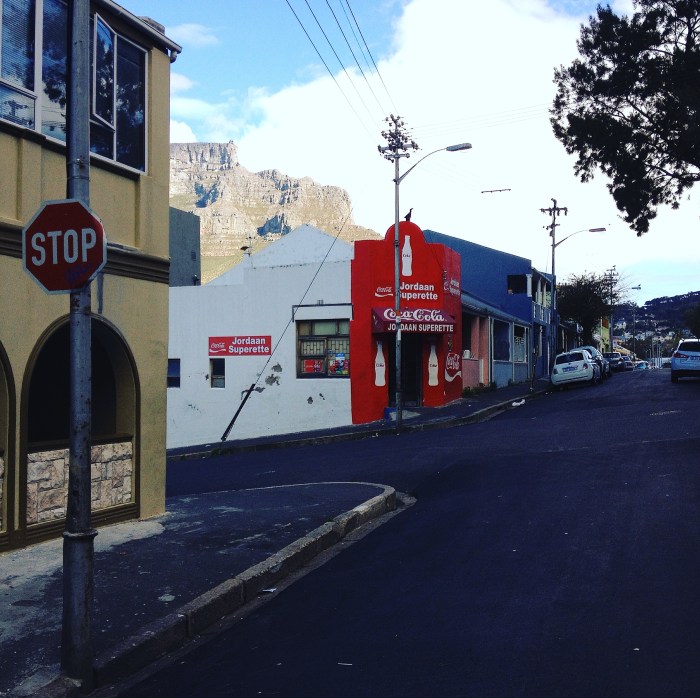
If you want to sample some delicious Cape Malay cuisine, Biesmiellah restaurant serves excellent and authentic Malay dishes. The bobotie and prawn curry are very good. Directly adjacent to the restaurant, there is a cheap takeaway place which sells mutton curries and also small snacks like samosas and chilli bites. The Rose Corner cafe is the place to go to buy spices if you want to have a go at making some traditional Cape Malay dishes. The small corner shop called Jordaan Superette close to where I was staying on Jordaan Street sells delicious homemade chocolate biscuits.

In the past few years prices for property in Bo Kaap have been increasing at an unprecedented rate and many of the original Malay families who’ve been living in their houses for generations have been tempted to sell up. Yet many defiantly are staying put not swayed by the increase in value of their homes. On a sunny Sunday afternoon (or any other time of day) you will see local families relaxing by their front yards. If you are in the neighbourhood, a simple ‘salaam alaykum’ greeting goes a long way.

Cape Town Free Walking Tours, located on Green Market Square in central Cape Town, does free walking tours 2-3 times daily and is a fantastic way to get to know the area and it’s interesting history.

During my time in Cape Town, I stayed for close to a week in one of the Bo Kaap houses located on Jordaan street. From there I went for several strolls through the neighbourhood and the result is the many photographs (I hope not too many) I took, which I am featuring below.


by Nicholas Peart

6th August 2016

(All rights reserved)


image

The heart of Bo Kaap


image

The heart of Bo Kaap


image

The heart of Bo Kaap


image

Georgian style houses


image

The Bo Kaap museum and the oldest house in Bo Kaap


image

Inside the Bo Kaap museum 

 
image

The Auwal Masjid: the oldest mosque in the southern hemisphere established in 1794


image

Keeping up with the Finklesteins


image

Your’s truly


image

Rose Corner Cafe – sells great spices and other Maley culinary delights


image


image


image


image

Biesmiellah Restaurant: excellent Malay Cuisine. Try the bobootie or prawn curry


image


image

My neighbourhood on Jordaan street


image

My temporary residence


image


image


image


image

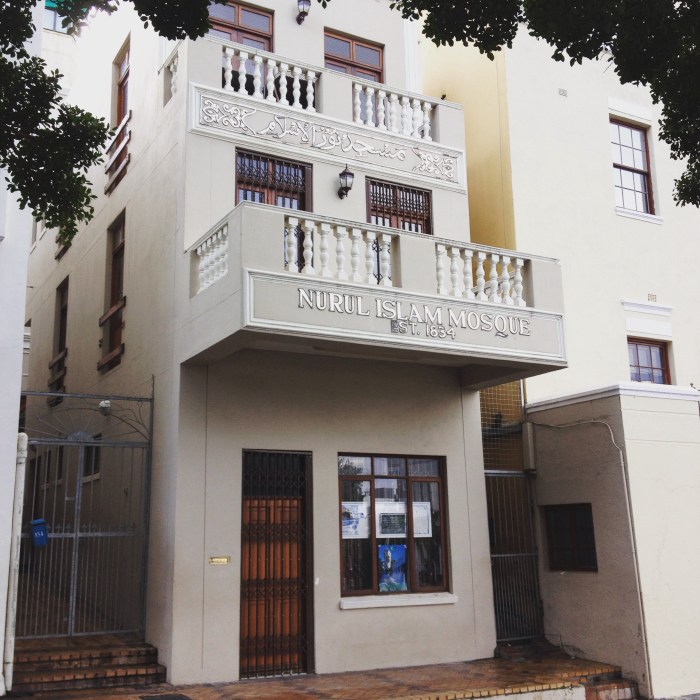
Nurul Islam mosque


image


image

Photographs from Soweto

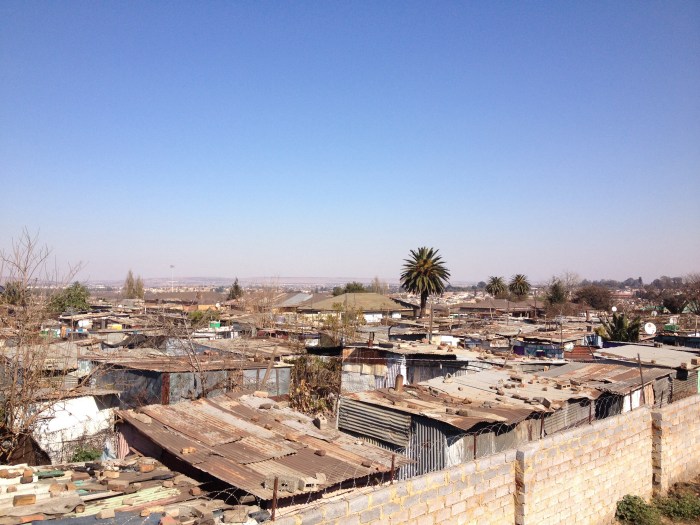
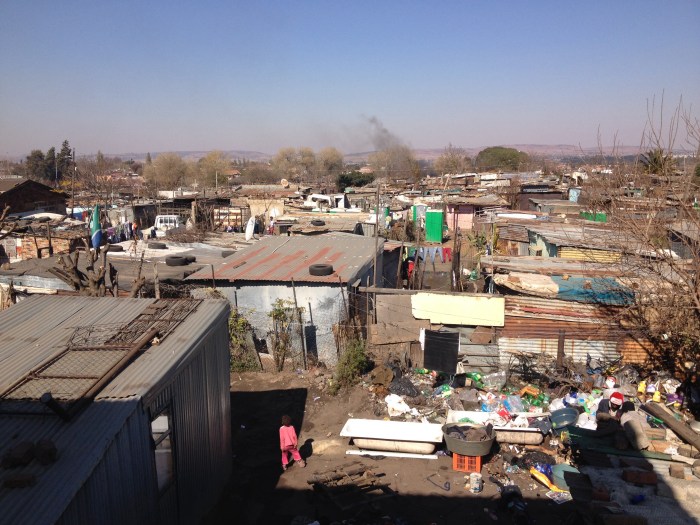
During my time in Johannesburg, I visited the vast township of Soweto on two occasions. Soweto is located south west of the centre of Johannesburg (Soweto is in fact an abbreviation of South Western Townships). Notable landmarks include Desmond Tutu’s house, Nelson Mandela’s house where he lived from 1946 – 62, and the Orlando Towers.

The famous Soweto Uprising of 16th June 1976 began as a result of the government trying to enforce education in Afrikaans as opposed to in the native langauge of the people of Soweto. The death of a 13 year old boy called Hector Pieterson, who was shot by police aiming fire at protesting students, is seen as a symbol of struggle against the brutality of the Apartheid Regime. In many ways the Soweto Uprising was the catalyst for the eventual dismantling of apartheid.

Soweto is also home to South Africa’s largest stadium, the FNB Stadium, which is the homeground of both South Africa’s national football team and one of South Africa’s top football teams, the Kaizer Chiefs.

Below I am featuring some photographs I took during my time there.


image

Visiting a Soweto learning centre


image

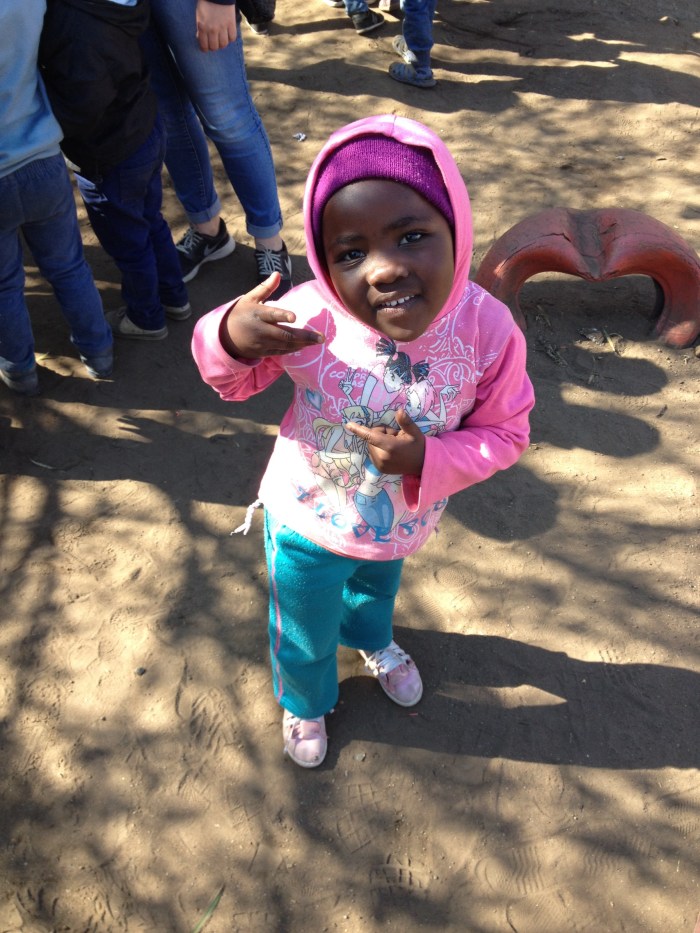
Soweto children 1


image

Soweto children 2


image

Soweto children 3


image

Soweto residencies photo 1


image

Soweto residences photo 2


image

At the Hector Pieterson memorial and museum


image

Political party posters


image

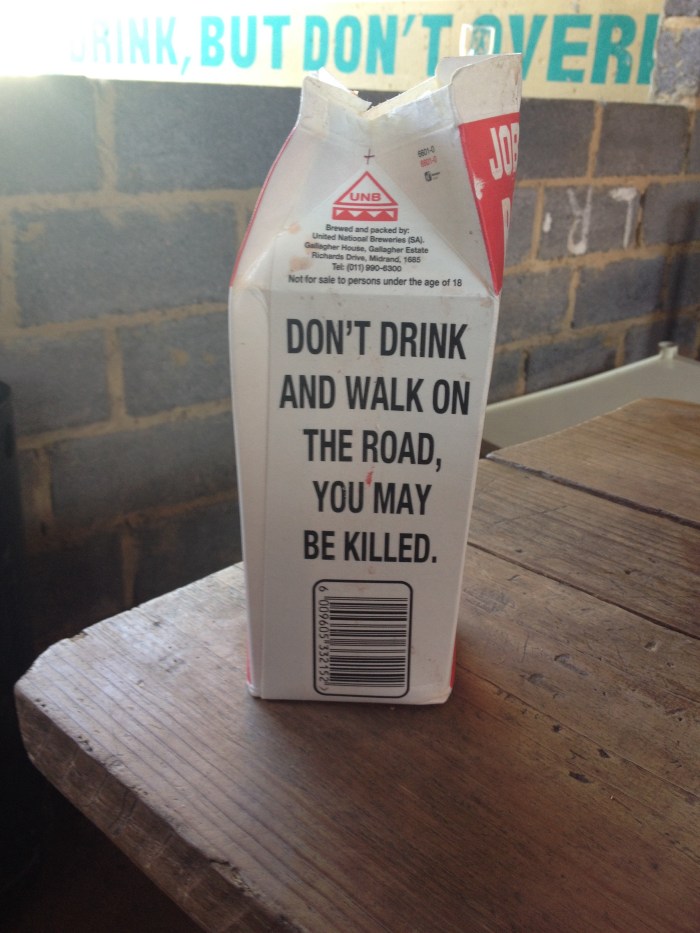
On the side of a carton of Joburg beer


image

Necking some of that Joburg Beer which is very similar in taste to the traditional Zulu beer sorghum 


image

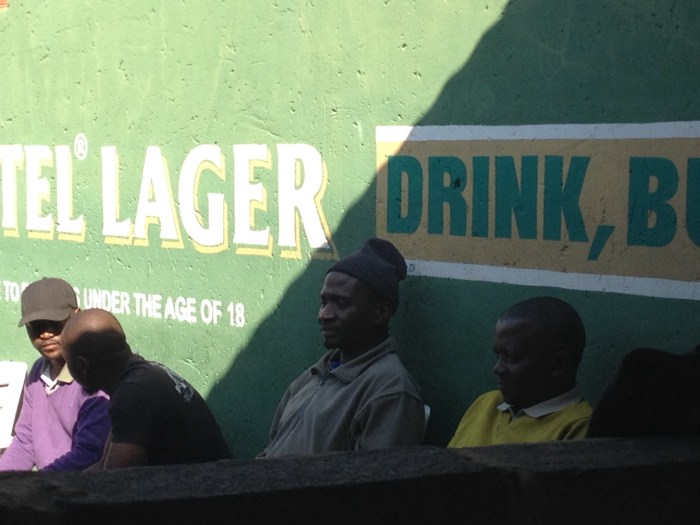
Shebeen scene


image

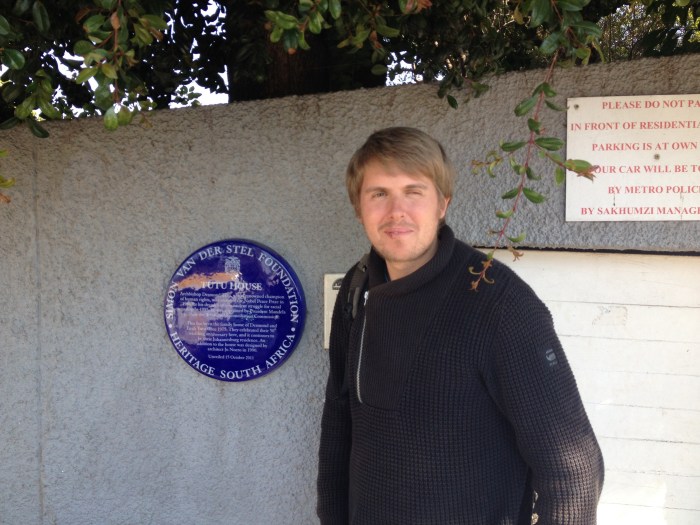
Outside Archbishop Desmond Tutu’s house


image

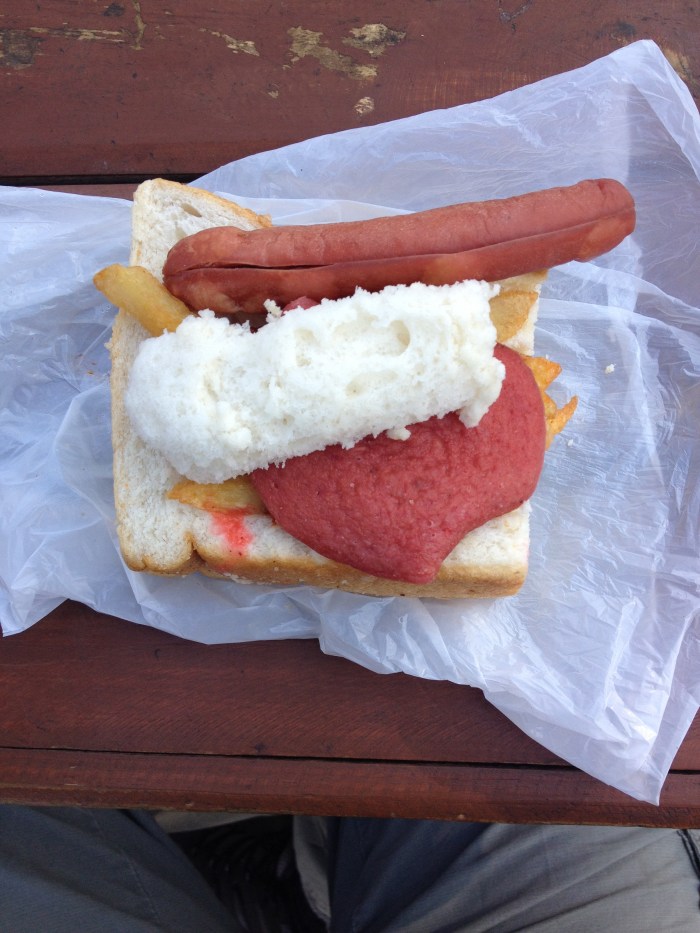
Fans of Deliciously Ella rejoice! This is the choice of snack of many people who live in the townships in the Gauteng area. A Kota is a quarter loaf of white bread hollowed out and filled with chips and cheap processed meats like salami slices and Vienna sausages. For R12 it is all yours.


image

One of the Orlando towers


image

Outside the Apartheid Museum


by Nicholas Peart

20th July 2016

(all rights reserved)

(Mis)Adventures In Zululand

image

Zululand


From the Hippo Hide Lodge in the Berea district of Durban, I take a cab to Ulundi station where I find the white mini van taxi to the Zululand town of Eshowe 150kms north of Durban. Every available bit of space is utilised. I am squashed right in the back and my backpack finds a home pressed somewhere in the front seats. An excessively rotund Zulu woman sat next to me is munching on slices of white bread in one hand and a large cheap supermarket sausage in the other which she occasionally takes generous bites from. In her lap is an enormous bottle of some discount brand Cola. The journey is two hours but feels like 20 and I am happy when we leave the main highway and I spot a sign saying ‘Eshowe 23kms’


image

Downtown Eshowe


Arriving in Eshowe I stumble out of the bursting minivan like I’ve been kept hostage inside a kitchen cupboard and find myself in a clothes shop run by a friendly South African Indian and shielded away from the hawkers and mess outside as I try to fully understand my bearings and where on earth I am in relation to my chosen accommodation. There are no taxi drivers in sight and I don’t trust many of the hawkers. I see a respectable looking elderly local walking towards his Toyota. I abruptly approach him and blurt out that I need to go to the George Hotel in exchange for a few rands. He obliges and I lump all my crap in the back seats and off we go. It’s barely a few blocks away and I suppose I could have walked there. I decide not to stay at the George and instead have a punt on the adjacent Bishops Guest House. There are no rooms available but the owner Hazel says that I can stay with her friend. It is almost mid afternoon and I head to Vals Takeaway on the edge of town for a delicious, ample and much needed mutton biriani. Afterwards I visit Shoprite to buy a few groceries before heading back to the Bishops. Hazel’s partner Terry kindly drives me in his 4×4 to Hazel’s friend’s house. The house is an enormous bungalow with a large handsome drive and garden with exotic trees and plants. My room is in a separate small block on the grounds of the house. It is immaculate with a Queen size bed, TV and private ensuite bathroom. A very good deal for the price.

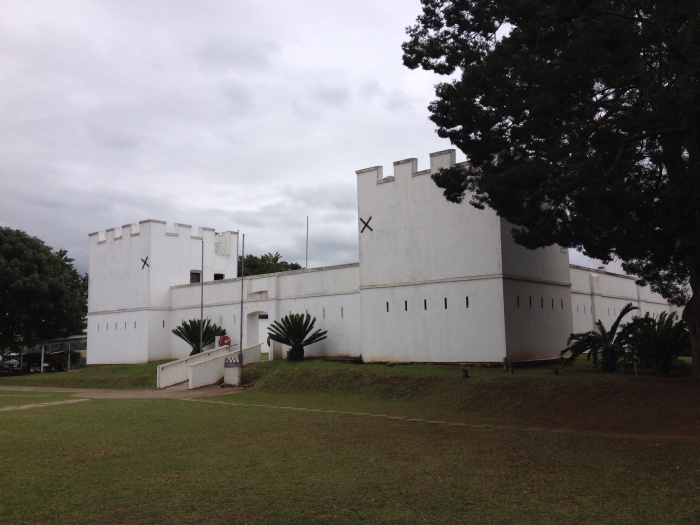
The next day I go for a walk around Eshowe. Outside of the city centre it really is a very pretty place in the heart of Zululand. I go for a walk to visit Fort Nongqayi. Inside the fort I am greeted by a young Zulu man named Zano. He is a very intelligent, articulate and entertaining guide. His English is excellent. We visit the white church founded by Norwegian missionaries before entering the fort. Inside the fort are Zulu related displays and artefacts. The section of the fort dedicated to John Dunn (a legendary 19th century white Zulu businessman and sex machine) piques my curiosity but history aside it was being with Zano which really made my day. When he mentioned that his favourite writer was Charles Bukowski I thought I was hallucinating. Very quickly my attention turned away from Zulu history and culture and straight to Bukowski and how in Zululand of all places with my Zulu compadre Zano we’d be discussing him – this beautifully fucked up damaged poetic skid row bum in staunchly conservative Zululand. 20kms away from Nkandla and Jacob Zuma’s massive homestead. Zano told me that many of his friends were also into Bukowski – ‘that man speaks the truth!’ Zano would say.


image

Fort Nongqayi


When we parted ways I payed a visit to the Vukani Zulu Cultural Museum which has a wealth of notable and important Zulu arts and crafts. There are beautiful and elaborately patterned handwoven baskets and pottery artefacts including several pottery pieces by the noted Zulu artist Nesta Nala and her children.


image

Vukani Zulu Cultural Museum


image

Pottery works by the Zulu artist Nesta Nala


In the evening I relax in the library of the George Hotel which has an adequate Internet connection. I decide that I will visit Shakaland the following day. It’s a Disneyfied like adventure park reenacting traditional 19th century Zulu culture. It was originally created for the highly succesful television series Shaka-Zulu. Unfortunately I don’t have my own transportation and getting to Shakaland or almost any other place in Zululand without it is very difficult. Fortunately a lady named Leanne from the George Hotel kindly offers to drive me there and back the next day.


image

Inside the library of the George Hotel


For some irrational reason I decide to spend this evening at one of the cheaper outside rooms of the George Hotel in a stupid plan to save money. For the sake of a few rand I ditch Eden for some decrepit beatnik hotel in a seedy part of Tanger in the 1950s. My room has a perpetual pungent oder of fresh paint. I can see that my room is a former wreck which has been tarted up superficially to make it look neat and presentable. My room is the epitome of the phrase ‘polishing a turd’ and it sure as shit ain’t worth what I paid for it. Loud building work outside my room comences in earnest at 7am; not that any of this matters. I’ve been struggling to achieve a modicum of decent kip ever since 11pm. The last few days have been a mess of insomnia. I go to the mirror and my face from just a few days ago has morphed into Shane McGowen’s. Nevertheless I am all ready for Shakaland.


image

Shakaland


Shakaland is ridiculous. I am not exactly Wilfred Thiesger or Richard Burton and am very much the clumsy albeit curious Gringo with his two words of Zulu under his belt. When I arrive I am the only tourist there and so I get a private tour of the grounds. I drink the infamous sorghum Zulu beer from a big wooden spoon and fool around with a large King Shaka spear like I am in Falaraki on some last minute cheap package weekend bender – not exactly warrior material. I mean put me in a time machine and plop me in the Blood River battle of 1838 I would have more than let the team down. Andries Pretorius would have given me the whipping of my life for my incompetence and tomfoolery. Later I am joined by more visitors; a Belgian couple and a group of visitors from Pretoria. We watch an impeccable performance of Zulu dances. At one point I decide to join in and add some very un-Zulu moves; like a cross between between King Cetshewayo on PCP and Bez of the Happy Mondays. Then we all have some locally made food at the Shakaland restaurant.


image

Drinking traditional Zulu beer


image

Shakaland shenanegans 


image

Trying (pushing) my luck with traditional Zulu dancing


Back in Eshowe, I sensibly decide to return to Eden and my Queen size bed. I sleep well and wake up at 6.30am the next day feeling well rested. Yet my mood changes when I turn on the TV and the long awaited result of the EU referendum in the UK has already been announced. For two hours I flip between all the diferent news channels lost in confusion. Fortunately a sane part of my brain does the right thing and propels me out of my room and away from the TV. Besides I had booked a tour for today with a local guide to visit his village and home and perhaps visit his family and a local school. Sadly my original guide had fallen ill and the only option available was a guy named Walter. The lady at the George warned me that he could be ‘erratic’ and may hustle me for more money at the end of tour. But I was assured that he was completely harmless, just a very naughty boy.


image

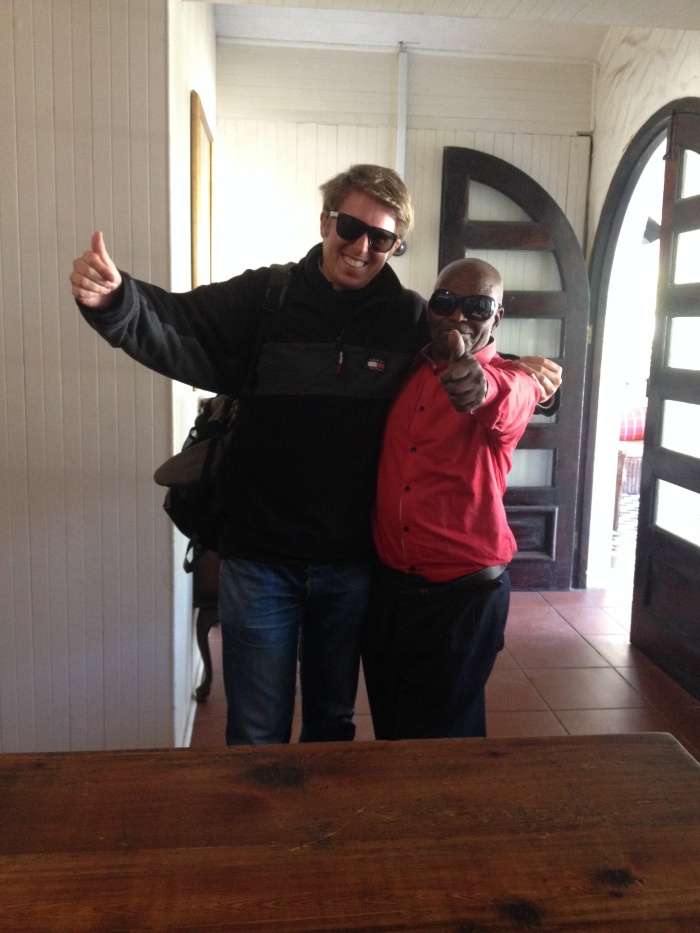
Big pimping; Walter and I


Seeing Walter for the first time I become hesitant, anxious and uncertain. My mind harks back to my Moroccan guide Mohammad who accompanied me and a few friends on a three day expedition in the Atlas Mountains ten years ago. He was a never ending liability and even had the temerity to ask for a 200 Dirham ‘customary’ tip at the end. Walter is four parts Rick James, three parts Jacob Zuma, two parts Shaft and one part Lee Scratch Perry. Nevertheless I knew that we would have lots of fun and (erratic) adventures. Walter is wearing a silk red shirt and an ostentatious pair of pimping sun glasses. He’s dressed up more for a night out on the tiles on Florida road in Durban than a visit to a traditional Zulu village. He keeps insisting that he is 83 and has the energy of a bull. What remains unclear is how we are going to get to his village. I don’t have a car and after having told him about ten times he keeps asking me where my car is. The lady at the George who organised the tour says that we would be able to get to his village via public transport but I am forever doubtful. After much unnecessary stressing I realise that the best move is to simply go with the proverbial flow and just glide with the movements of Walter. Getting angry or upset is a fools game. In fact, in a perverse kind of way, I prefer to be with Walter than the other more reliable and trusted guide; it would have been all too predictable. Here there is no compass.


image

Rockin’ Zululand


We walk towards Eshowe town and for all I know we may as well be heading to a few shebeens or gambling houses than sticking to our original plan of visiting his village. As we pass Shoprite, Walter raises his right hand and an old truck slows down. Walter motions for me to get in and off we drive to what I am guessing is his village. Soon we leave the main paved roads and drive on to a dirt road up a hill and towards his home. There are four semi modern huts at his place with red tin corrugated roofs. I am introduced to some of his family and I use my two words of Zulu; sawabona and injani (which mean ‘hello’ and ‘how are you?’ respectively).


image

At Walter’s abode


Leaving his home we walk towards a local school. The day is getting hot and I regret not bringing a bottle of water. When we approach the school it is closed. Walter suggests we keep on walking. During our walk we pass by numerous local village folk and Walter insists on photo opportunities every time we meet passing villagers. We bump into a young sangoma apprentice. Walter wants to take a photo of me with the boy using my iPhone. I don’t object. When he hands me back my phone I see that he has taken 22 photos. I will do all the editing when I return to Eshowe later. I don’t know where we are going. After a while I get so exhausted and feel like we’ve galivanted throughout all of Zululand. At one interval he points to a hut in the distance on top of a hill. He tells me that’s where his friend lives and wants us to go there. I faint at the distance but Walter knows of a shortcut. We ditch the path and climb up the hill gripping onto rocks and miscellaneous roots and vegetation. Halfway up the hill I nearly loose my balance but claw my right fingers into the ground earth to prevent myself from falling back to the start. Walter on the other hand is going up the hill like some son of a gun trooper; like a modern day King Shaka. When we enter his friend’s modest abode which has a sparkling name brand fridge and plasma TV inside, we are both rewarded with a cup of clean water which he scoops into the cups from a large open blue tank of water in the corner of the living room.


image

With some local Zulu village folk


Leaving his friend’s place we head back towards Walter’s house. All the time on the way there he keeps pointing to his house in the distance, like it’s one of the seven wonders of world. When we return to his house, a member of his family prepares a meal for us of chicken and vegetable stew and a lifetime supply of pap. After our meal, Walter hands me a battered notebook which contains testimonials from travellers all around the world. There are also letters. One is from a French couple from Piotiers dating back to 1998 and the other from a Dutch lady from Delft. Clearly all the travellers who crossed paths with Walter were won over by his unique charisma, energy and spontaneity. And so was I. It was a blessing in disguise that the other guide was ill. Although there was still one last problem. How the hell was I going to get back  to Eshowe?

Walter offered to call me a cab or rather get one of his mates to pick me up and drive me back to my guesthouse. I accepted the R100 fare and so Walter and I walked from his house and to the side of the dirt road. On the way we pass by three gravestones. One is of his parents. By the edge of the road, Walter was joined by a friend brandishing a large bottle of Castle Chocolate Milk Stout. They share the bottle and offer me a swig which I decline. Then Walter’s friend lights up a prerolled doobie. My cab eventually arrives and I bid Walter farewell.

I stay one more day in Eshowe. The next day is a lazy and aimless day, although I do muster the energy to go for a walk to visit King Cetashowe’s memorial site further outside of town. At the end of the road just after the site I am rewarded with one of the most spectacular vistas of rural Zululand. It really was quite majestic.


imageCetshwayo memorial


Before returning to Durban I order a Durban curry for lunch from the restaurant of the George Hotel. Whilst I am waiting for my food, I visit an outside bar on the grounds of the hotel called Pablo Esco Bar, so called since the owner has an uncontrollable obsession with the famous Colombian Drug Lord. I order a pint of Zulu Blond which is a local brew made by the owner and has even won a few awards. I like it. It’s a glorious day outside and despite a kind invitation from a local at the bar to go to a party at his house where a few local bands will be playing, I am all done with Zululand. My battered white collective mini van taxi awaits to take me back to Durban.


by Nicholas Peart

12th July 2016

(all rights reserved)

The Markets Of Warwick Triangle


image

Warwick Triangle


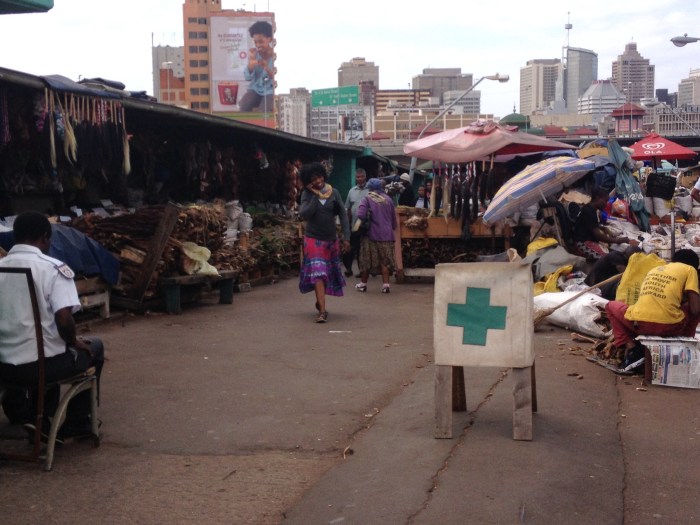
Around the Berea Road Station in central Durban and the flyover passes marking the beginning of the N3 highway is a fascinating dishelved mess of markets known as the Warwick Triangle. These markets are so raw and alive they make the infamous Tepito Mercado in Mexico City look like Portobello Road market in Notting Hill. One day I decided to go on a tour of this part of town with a local guide from the tour firm Markets Of Warwick.


The Bead Market

This market has been temporarily relocated onto the narrow sidewalk of one of the busy flyover passes. Walking here was a challenge and trying desperately to be on your guard – even with a guide!

image

The Bead Market


The Impepho Market

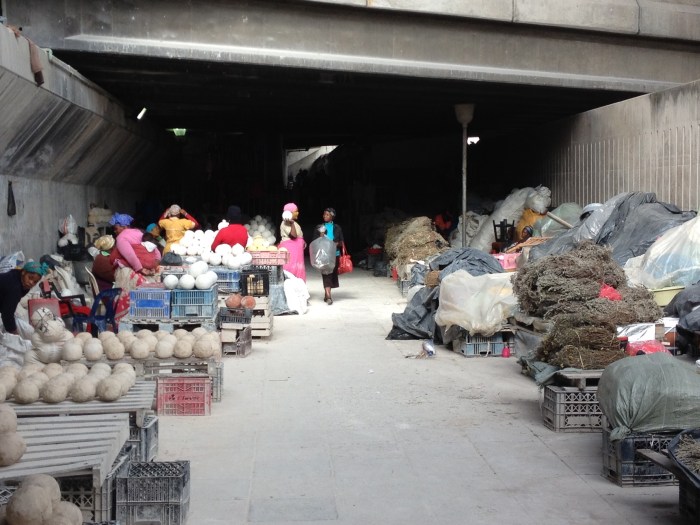
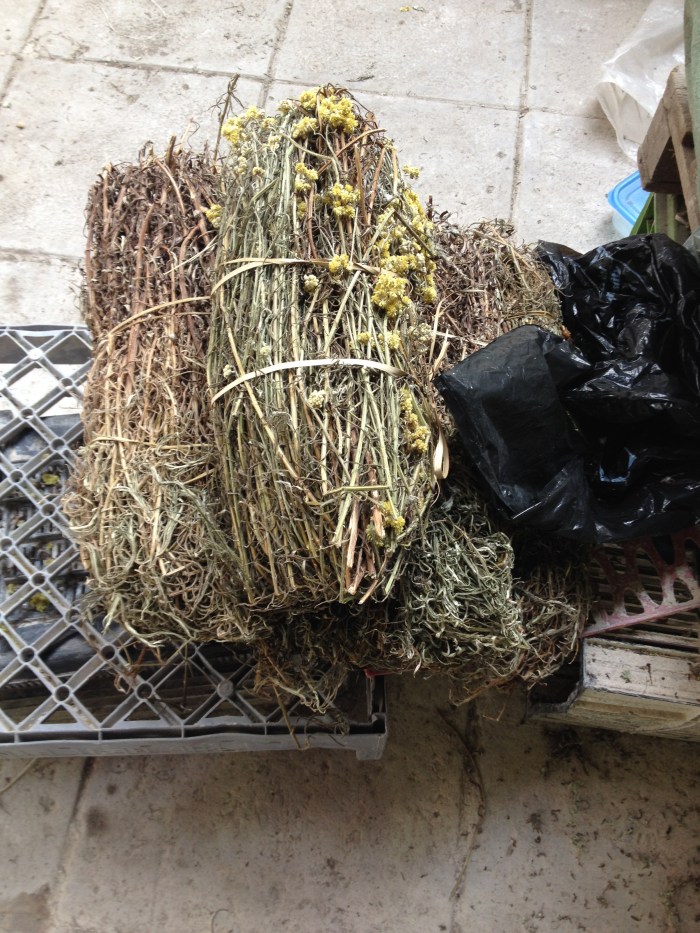
Entering this market was like walking through a post war bombed out Barbican or Westway. Here traditional Zulu women sell impepho and bowling size balls of red and white limes mined from iNdwedwe, north of the city.

image

The Impepho Market


image

Impepho


image

White lime


image

Red lime


The Brook Street Market

This market sells mainly textiles…

image

Brook Street Market


The Berea Station Market

This is the place to go for pirate DVDs, CDs, shoes and designer clobber at rock bottom prices as well as traditional Zulu King Shaka spears and shields…

image

Berea Station market


The Early Morning Market

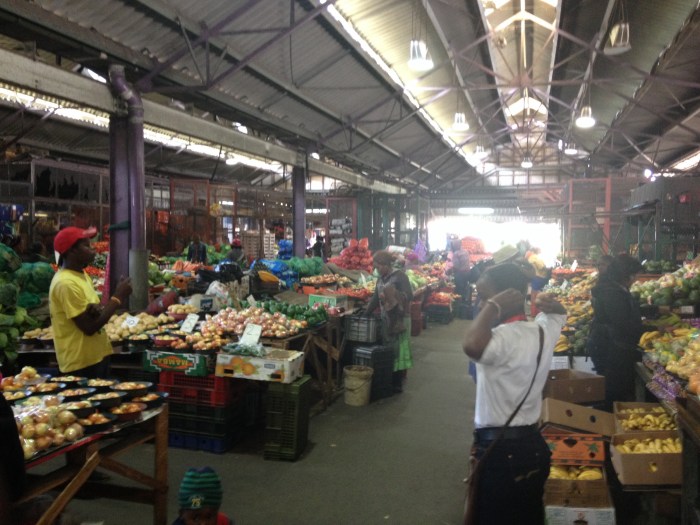
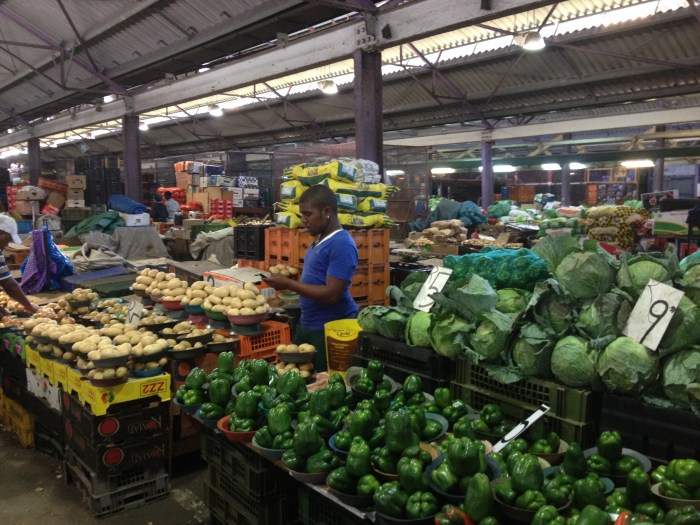
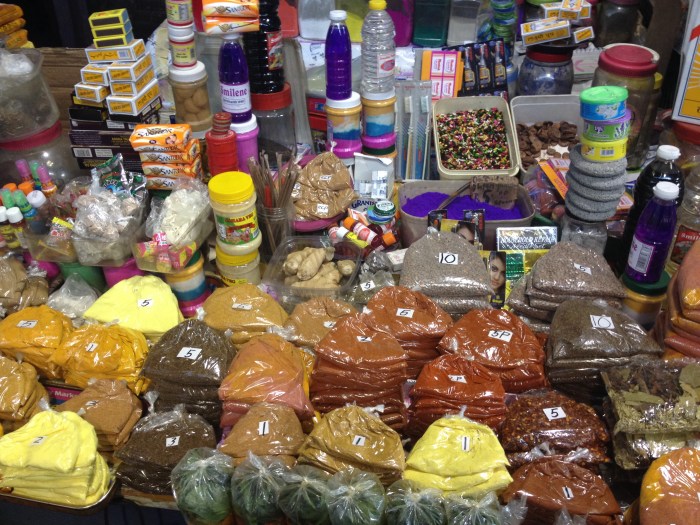
This market is known as the Mother Market and has now been going for 100 years. This is the place to go for fruit and vegetables as well as spices. The quality of the fruit and veg is better than what you’d find in Pick n Pay and Checkers and at a fraction of the price. The spices here are cheaper than those in nearby Victoria market…


image

Inside the Early Morning Market


image

Abundant veg 


image

Spices at rock bottom prices


image

Early Morning Market trader


Bovine Head Cooking Market

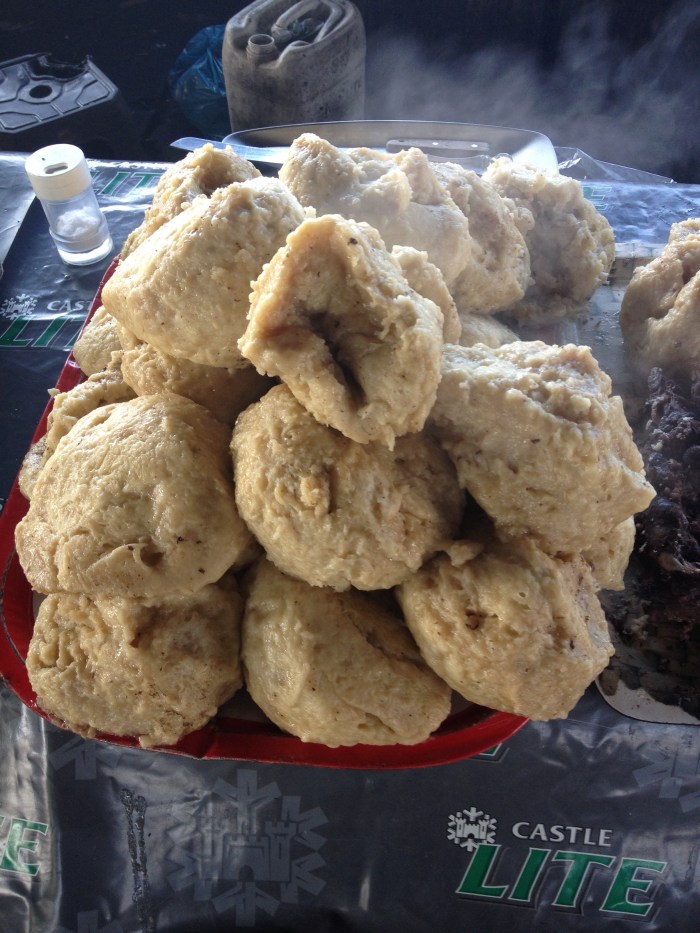
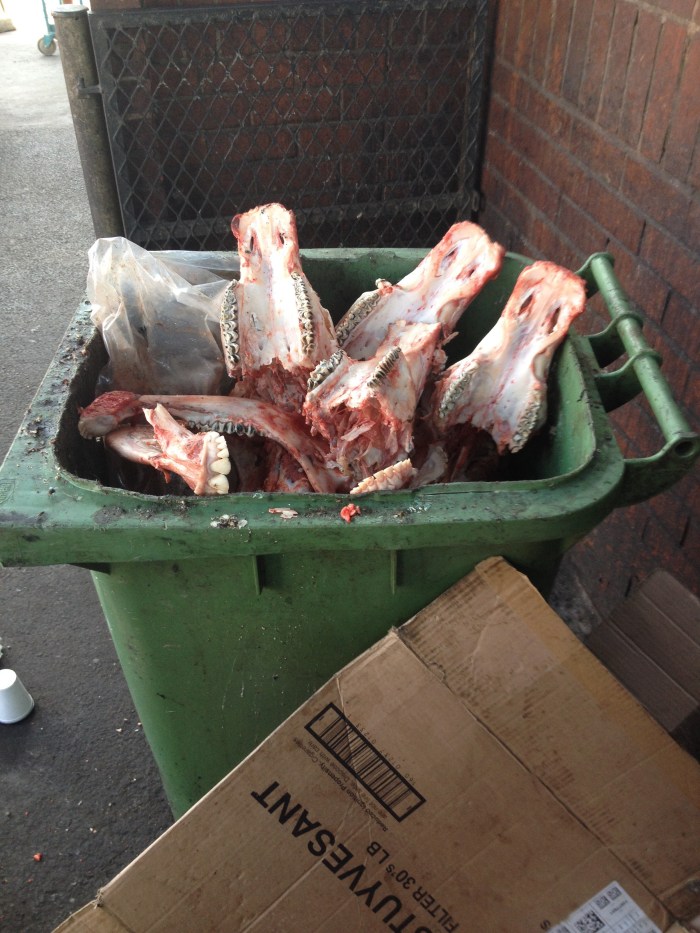
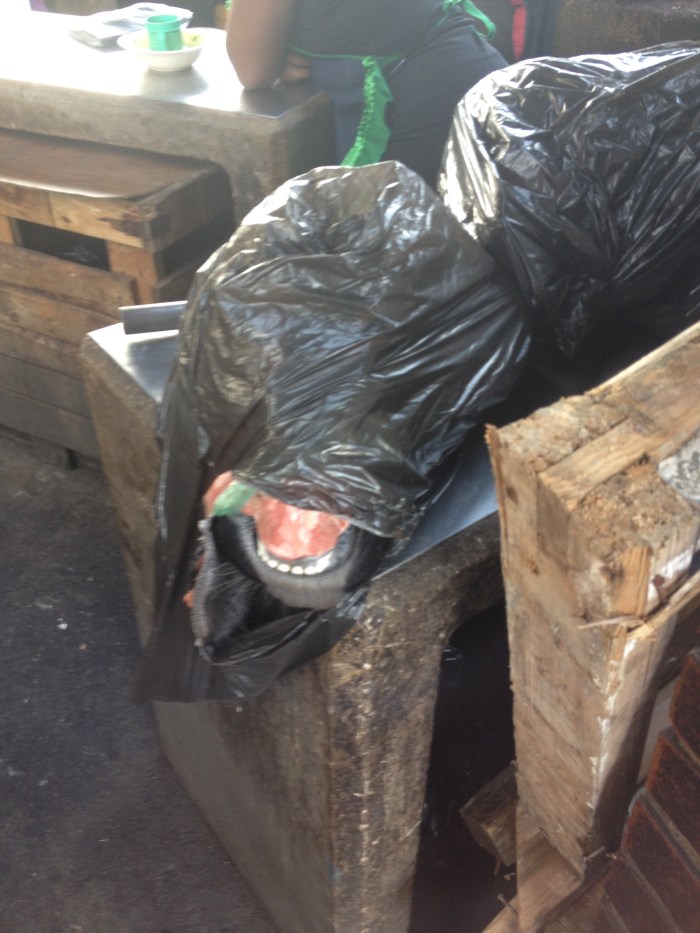
I think if I took Morrissey here he’d have a stroke. This is not a place for animal rights activists. Yet Francis Bacon would be captivated. This place is raw and visceral. The severed heads and other body parts of cows and goats lie openly in green rubbish bins and black rubbish sacks – life here is cheaper than table salt.


image

Inside the Bovine Head Cooking Market


image

Super gourmet food I just can’t wait to dive into


image

Too much


image

Look away


The Herb Market

My guide explicitly tells me not to take photos of the herbs as I’d be ‘diminishing their potency’ – the last thing I want to do is incur the wrath of the traditional Zulu people so I only manage one cheeky photo from the entrance. As well as traditional herbs and plant extracts, one can find small used whiskey bottles now experiencing a new lease of life carrying the contents of different animal fats including those extracted from the Big Five.


image

The entrance to the herb market


by Nicholas Peart

23rd June 2016

(all rights reserved)